Whether you are relocating across the country, purchasing a vehicle from another province, or managing a dealership's inventory, understanding how auto transport rates are calculated is essential to planning your logistics budget. In a country as vast as Canada, vehicle transportation involves navigating long distances, dynamic economic variables, and shifting seasonal environments. While basic distance and vehicle size play a clear role, two underlying forces dictate the broader economic realities of car shipping: the daily fluctuation of diesel fuel prices and the ever-changing landscape of carrier availability.
In this comprehensive guide, Optixtrace Car Shipping breaks down exactly how these critical transportation pricing factors influence the final quote you receive. By understanding the market forces at play, you can make informed decisions, optimize your shipping schedule, and secure the most affordable vehicle shipping rates available across Canada.

Table of Contents
How Diesel Fuel Prices Dictate Auto Shipping Costs
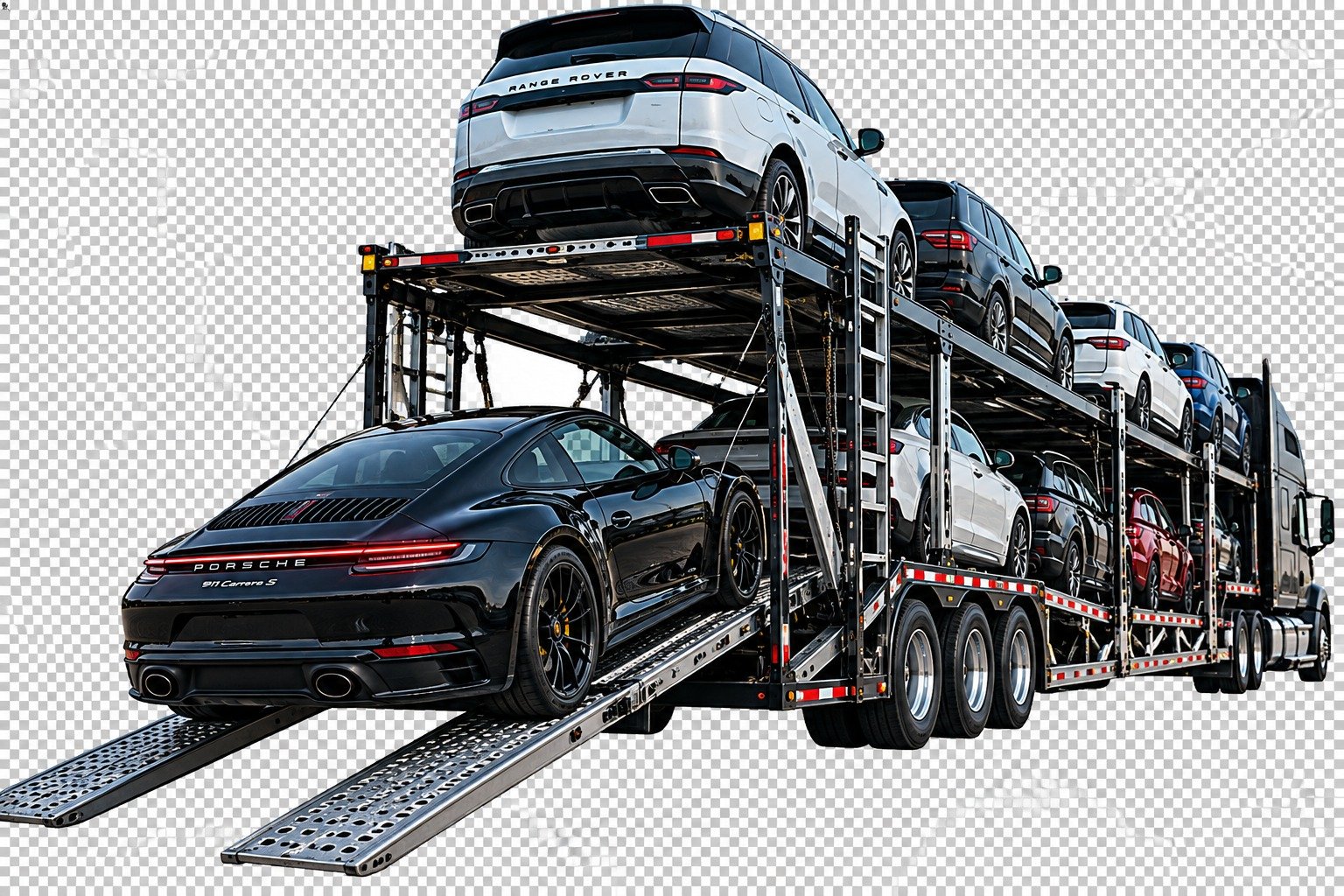
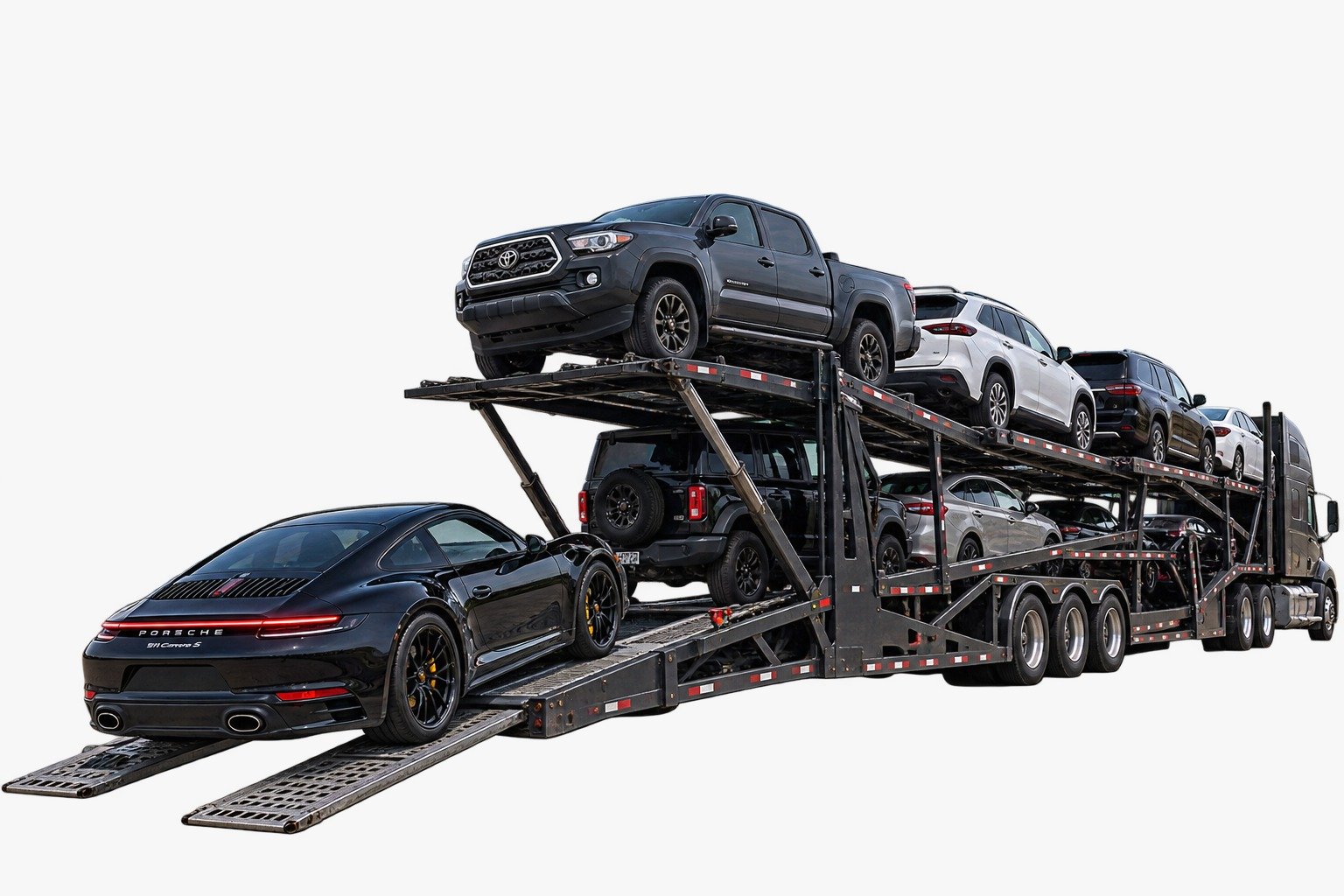
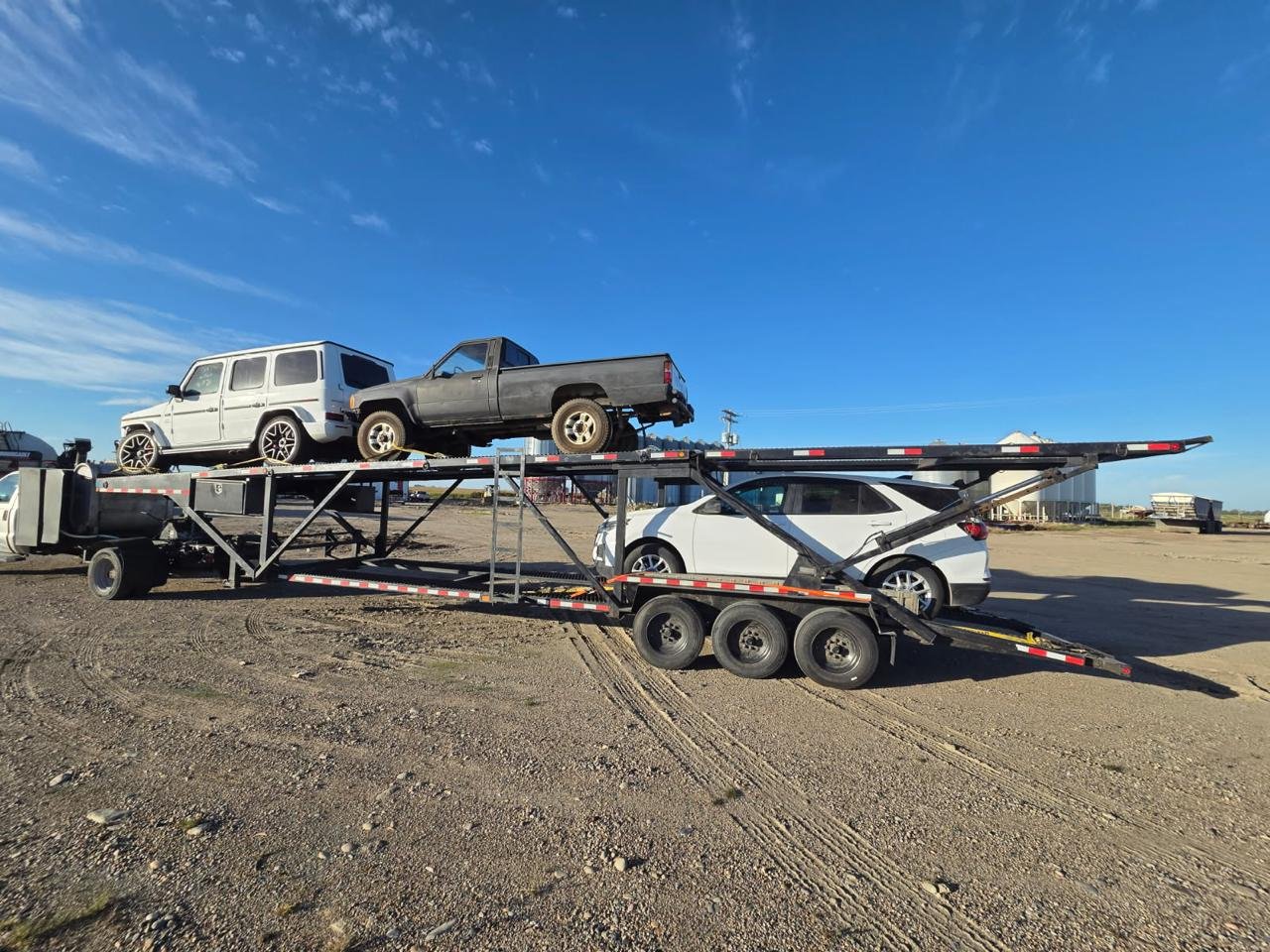
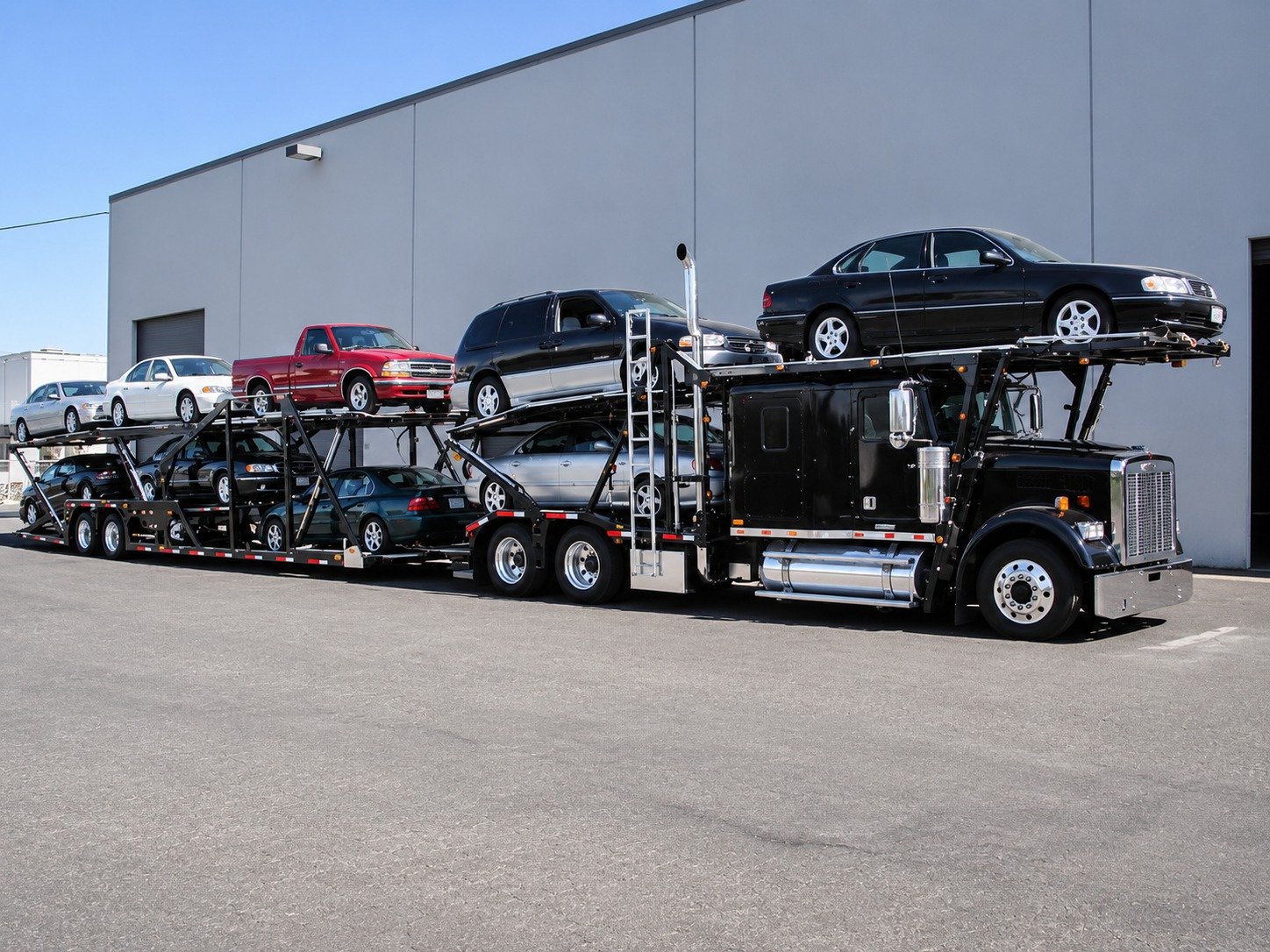
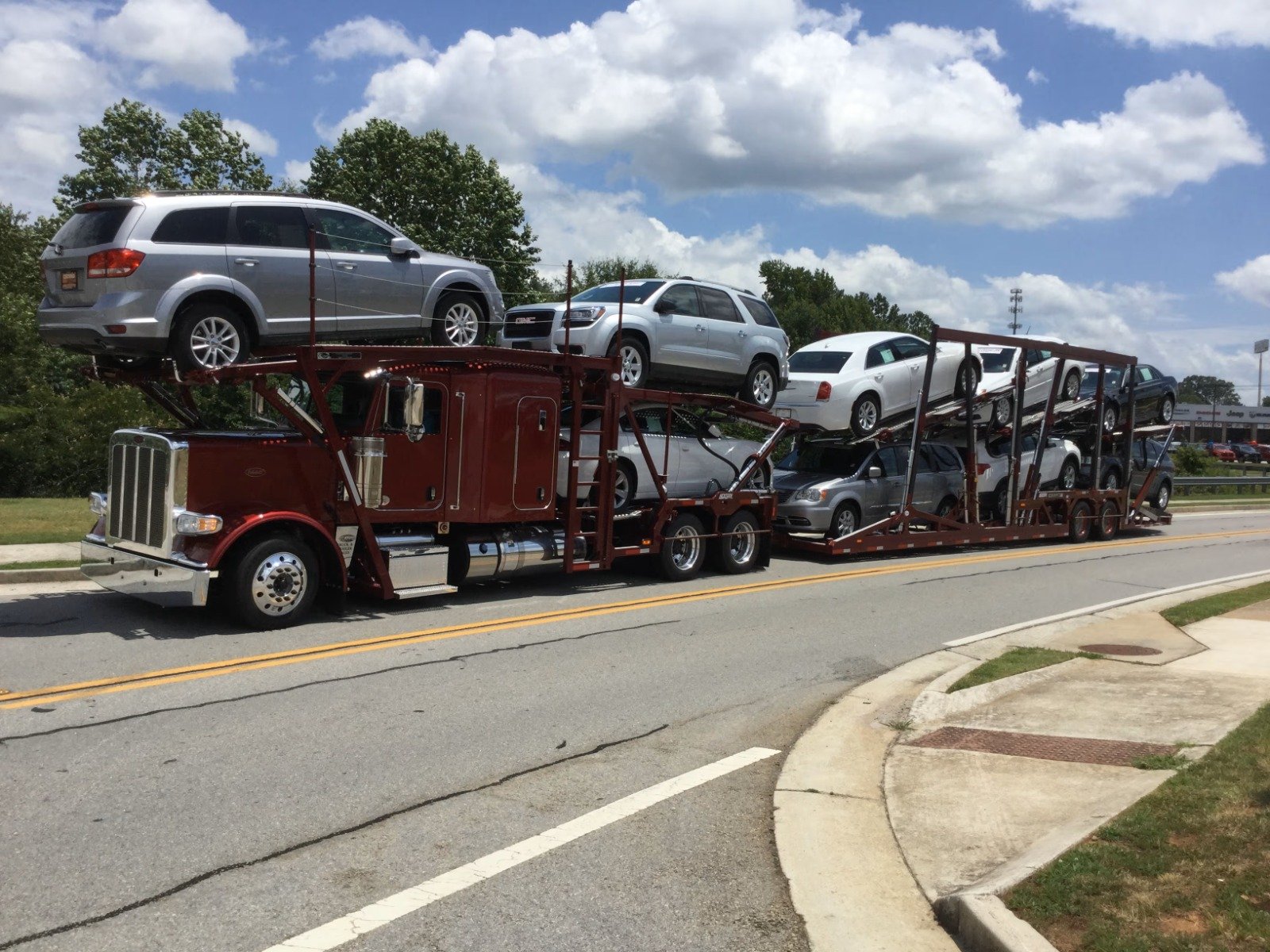
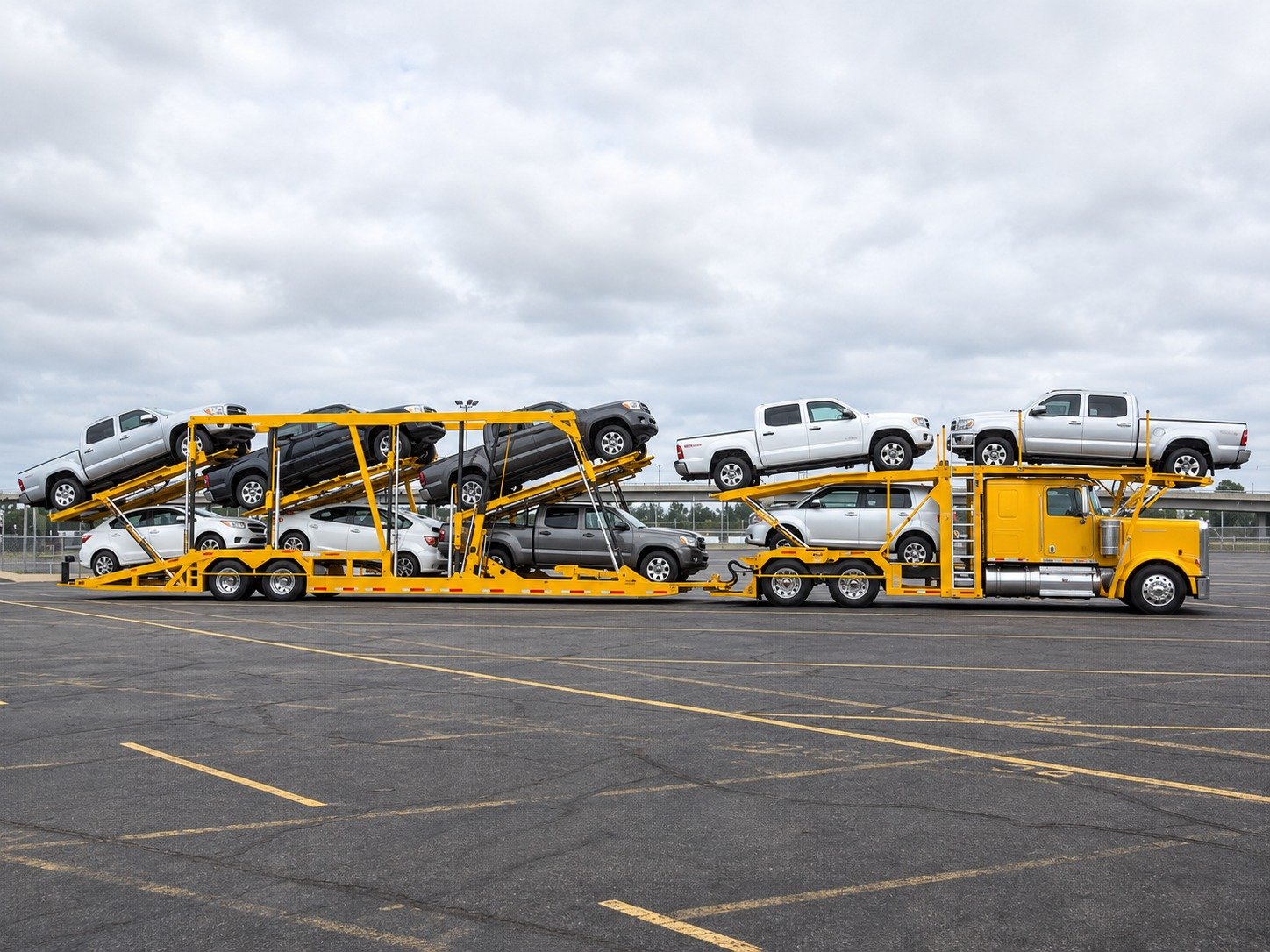
It is impossible to discuss vehicle transport costs without analyzing the energy sector. Heavy-duty transport trucks—the massive 18-wheelers capable of carrying up to ten passenger vehicles simultaneously—rely entirely on diesel fuel. Because transport trucks are incredibly heavy and combat significant wind resistance, their fuel economy is notoriously low. Consequently, fuel represents one of the largest single operating expenses for any carrier.
The Mechanics of Fuel Surcharges for Car Shipping
To insulate transport carriers from the extreme volatility of the global oil market, the logistics industry utilizes a mechanism known as a fuel surcharge. When diesel prices spike at the pump, transport truck operating costs increase proportionally. Instead of changing their base rates every single week, logistics companies apply a percentage-based fuel surcharge to the final bill, which fluctuates directly with the national or regional average price of diesel.
For context on how frequently these numbers shift, industry professionals monitor fuel indices published by Natural Resources Canada. If the price per litre of diesel jumps significantly over a short period, auto shipping costs must adapt quickly to keep carrier operating expenses sustainable. Conversely, when fuel prices drop, the fuel surcharge decreases, passing the savings directly on to the consumer.
Timing your shipment can save you money. While you cannot control global fuel prices, being flexible with your pickup and delivery dates allows dispatchers to match your vehicle with a carrier that has an optimized, fuel-efficient route. When trucks run at full capacity without detours, overall per-vehicle fuel costs drop.
Carrier Availability and the Law of Supply and Demand
Another major determinant of car shipping price factors is carrier availability. The Canadian vehicle transportation network operates strictly on the principles of supply and demand. On any given day, there is a finite number of transport trucks on the road and a finite number of drivers legally certified to operate them.
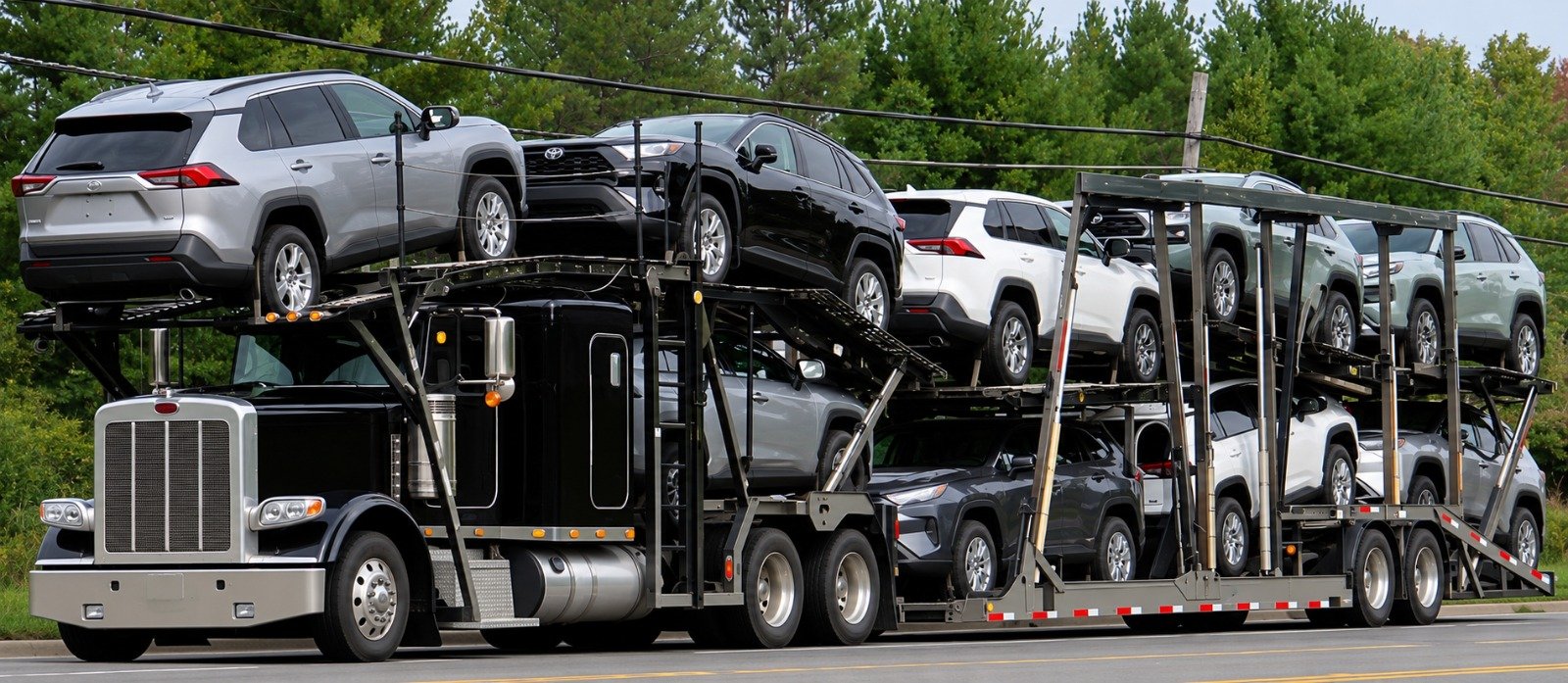
When the demand for shipping vehicles outpaces the available carrier capacity, auto transport rates naturally rise. This often happens because:
- High-Volume Corporate Moves: Dealerships moving large fleets of inventory can absorb significant portions of local carrier capacity.
- Driver Shortages: The logistics industry sometimes faces structural shortages of commercially licensed heavy-haul drivers.
- Regional Imbalances: A sudden influx of people moving in one direction (e.g., leaving a specific province for economic opportunities) can drain trucks from one region, creating an excess of vehicles needing transport and a shortage of available trailers.
To combat capacity limitations, opting for standard open transport is generally the most effective way to secure a spot on a truck quickly, as open car carriers represent the vast majority of the national fleet.
Seasonal Shifts in the Canadian Transport Market
In Canada, seasonal shipping demand plays a dramatic role in how and when prices fluctuate. Understanding how seasonal demand affects car shipping rates can help you budget accurately based on the time of year.
The Snowbird Migration
During late autumn (October and November), thousands of Canadians relocate their vehicles to warmer climates, putting immense pressure on southbound and westbound routes. In the spring (April and May), this migration reverses. This sudden surge in vehicle shipping demand drastically tightens carrier capacity along specific corridors.
Winter Logistics and Harsh Weather
Canadian winters introduce severe operational challenges. Snowstorms, icy highways, and sub-zero temperatures force carriers to drive slower, increasing transit times. Additionally, routes through the Rocky Mountains may require specialized equipment, detours, or delays for avalanche control. Regulatory bodies like Transport Canada mandate strict winter driving protocols to ensure public safety, which can limit the number of hours a driver can safely operate. The increased risk, coupled with lower transit efficiency, often results in slightly higher rates during the deep winter months.
Route Logistics: Urban Hubs vs. Remote Locations
Where your car starts its journey and where it ends up is just as crucial as fuel prices. Long-distance vehicle transportation across Canada is highly optimized for major highway corridors linking metropolitan centers.
For example, booking a transport on major shipping routes across Canada, such as Toronto to Vancouver car shipping, often yields competitive pricing per kilometre. Carriers run these routes consistently, meaning they can easily fill a 10-car trailer in both directions. This high route availability minimizes "deadhead" miles (driving with an empty trailer), making the trip highly profitable for the carrier and affordable for the consumer.
Conversely, if you need to ship a vehicle to or from a rural town hours away from the Trans-Canada Highway, a carrier must deviate significantly from their main route. This deviation burns additional diesel fuel, consumes the driver's legally restricted operating hours, and often means the truck will travel partially empty on its return to the main highway. As a result, remote locations inherently carry higher per-kilometre auto transport rates.

Type of Transport: Open vs. Enclosed Carriers
While economic factors and geography determine baseline rates, your specific choice of equipment is the final variable. Carrier availability differs drastically depending on whether you choose open or enclosed transport.
| Transport Type | Carrier Availability | Cost Impact | Best Suited For |
|---|---|---|---|
| Open Transport | High (makes up ~90% of the industry fleet) | Most affordable and budget-friendly. | Daily drivers, standard SUVs, dealership inventory, and general relocations. |
| Enclosed Transport | Lower (specialized equipment, fewer trucks on the road) | Premium pricing (usually 30-50% higher than open transport). | Classic cars, exotic sports cars, high-value luxury vehicles, and winter shipments requiring weather protection. |
| Rail Transport | Subject to railway schedules and terminal capacities. | Cost-effective for extremely long distances. | Cross-country moves (e.g., coast-to-coast) where terminal drop-offs are convenient. |
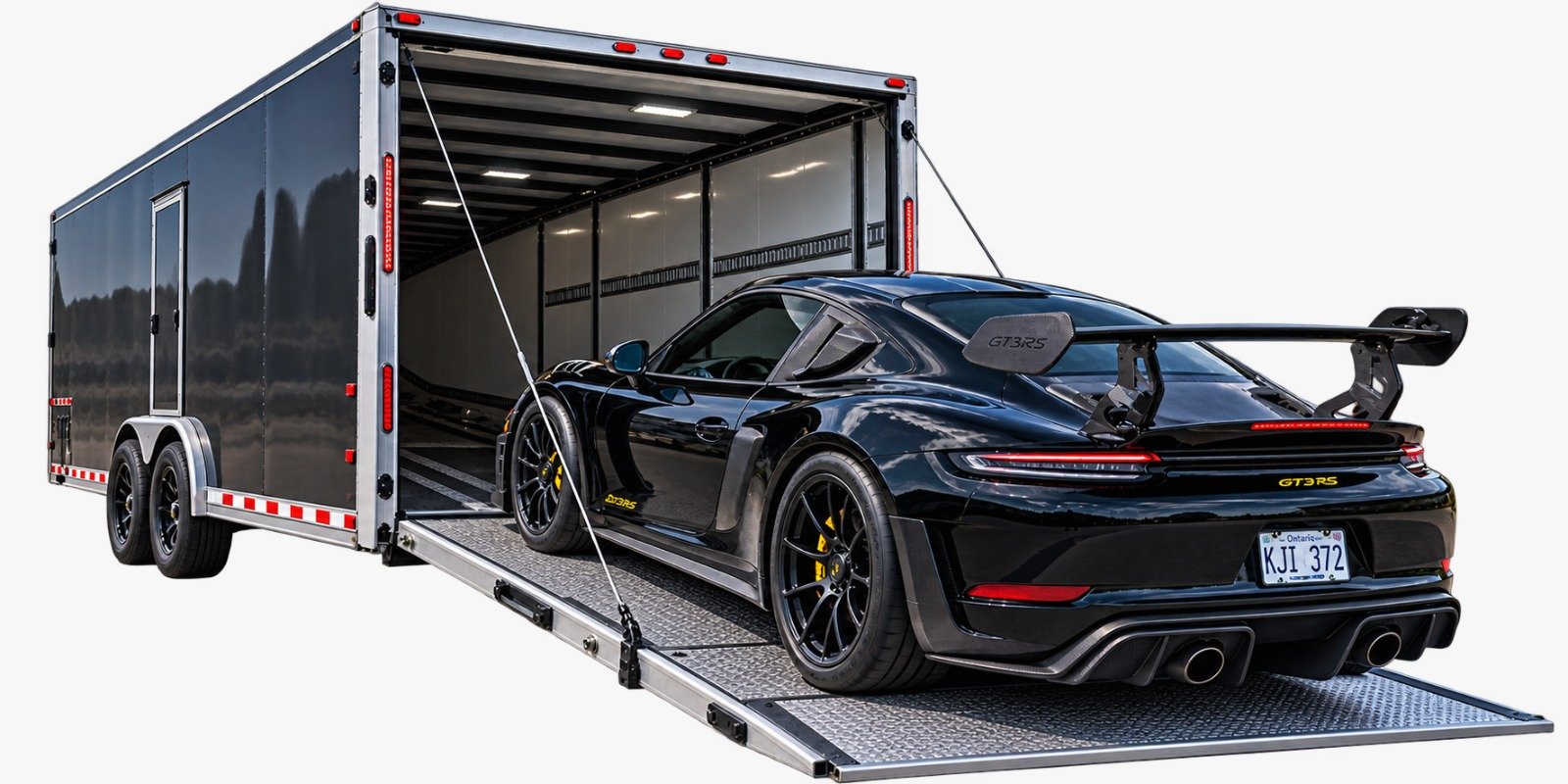
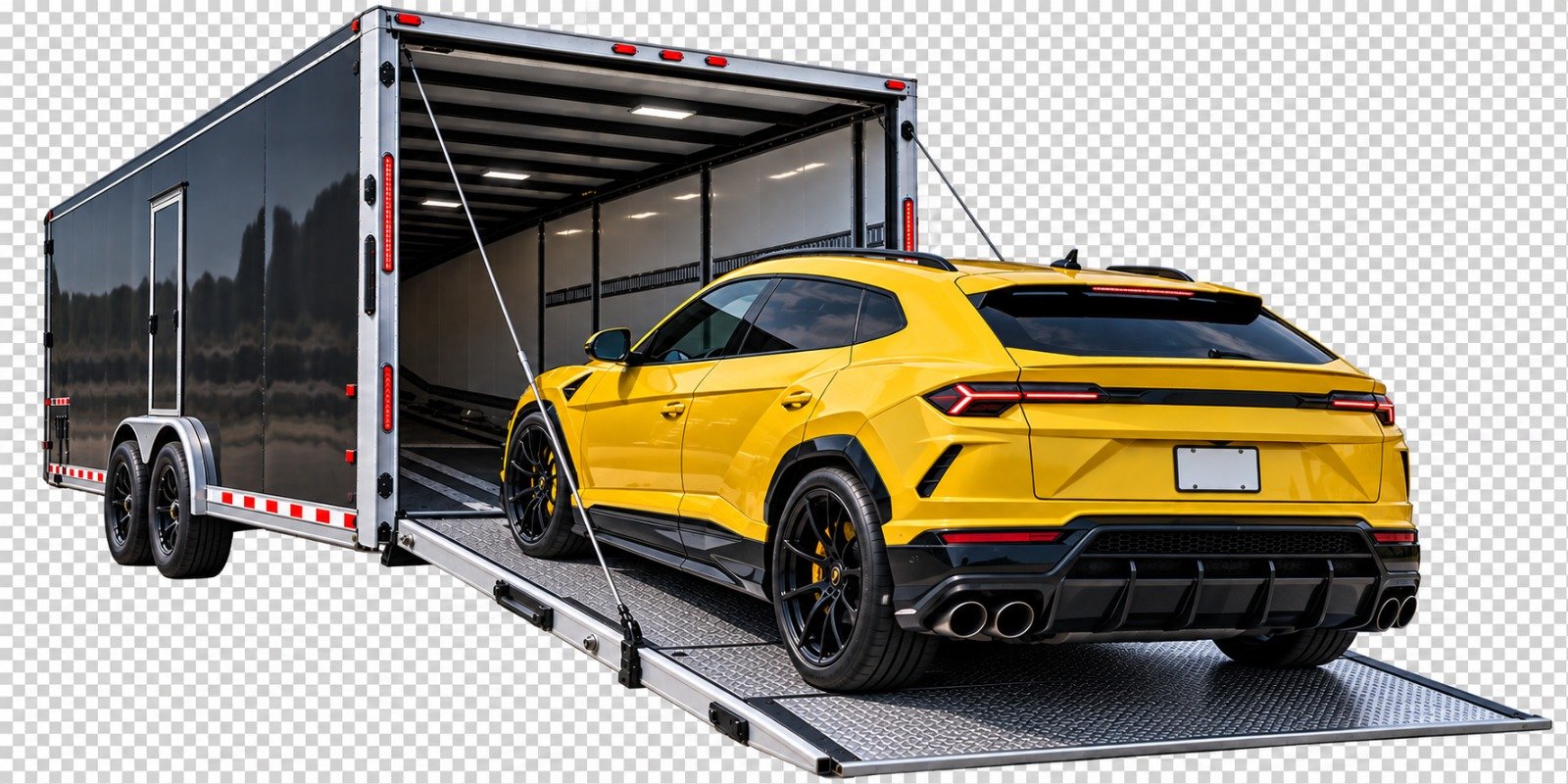
If you are shipping a high-value exotic car, enclosed transport is highly recommended to protect the vehicle from road debris and weather. However, because there are significantly fewer enclosed carriers on the road, securing a spot often requires booking further in advance and accommodating higher baseline rates.
How to Get Affordable Vehicle Shipping Rates
While you cannot control macroeconomic indicators like diesel fuel prices reported by Statistics Canada, there are several strategic ways to minimize your car shipping rates:
- Book in Advance: Providing at least 2 to 4 weeks of notice gives transport logistics teams the time needed to group your vehicle with others heading in the same direction, maximizing efficiency.
- Be Flexible with Dates: A flexible pickup window allows dispatchers to secure a spot on a truck that already has a scheduled route, preventing expedited shipping fees.
- Consider Terminal-to-Terminal: If you live in a hard-to-reach area, driving your car to a major city hub for drop-off can circumvent the costly deviations associated with rural door-to-door delivery. (Explore rail transport as an alternative for terminal-to-terminal long hauls).
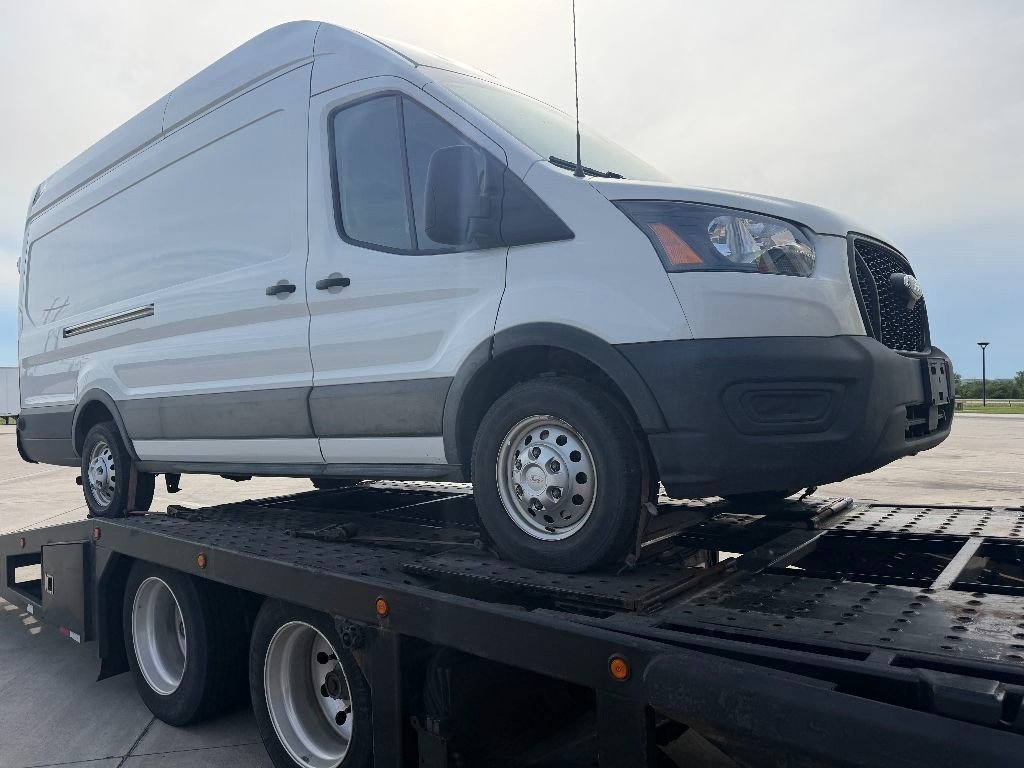
- Keep the Vehicle Operable: Inoperable vehicles require specialized winches and drastically limit carrier capacity, immediately raising transportation pricing factors. Ensure your car runs, steers, and brakes.
Frequently Asked Questions
Why do auto transport rates fluctuate so much?
Auto transport rates fluctuate primarily due to the real-time cost of diesel fuel and dynamic carrier availability. The logistics market is heavily influenced by supply and demand; when many people are moving cars but truck space is limited, rates increase. Furthermore, seasonal factors like winter weather and the "snowbird" migration also affect carrier capacity and operating costs.
Does the price of diesel directly affect my car shipping quote?
Yes. Transport carriers apply a fuel surcharge that scales with national diesel averages. Because multi-level car haulers consume massive amounts of fuel over thousands of kilometres, even a slight increase in fuel prices at the pump directly translates to higher overhead for the carrier, which is reflected in your final shipping quote.
Is it cheaper to ship a car in the summer or winter?
It depends on the route. Generally, late spring and early autumn offer a good balance of mild weather and stable demand. Deep winter can increase costs due to hazardous driving conditions and slower transit times, while peak summer is the busiest season for residential moves, which can drive up costs due to high demand and low carrier availability.
How does my location affect the availability of carriers?
Carriers predominantly travel along major interprovincial highways connecting large cities (e.g., Vancouver, Calgary, Toronto, Montreal). If you are located in a major urban hub, carrier availability is high, making it easier and cheaper to secure transport. If you live in a remote or northern community, a truck must detour specifically for your vehicle, which drastically reduces availability and increases the cost.
Conclusion: Navigating Vehicle Transport Costs with Confidence
Ultimately, auto transport rates are a reflection of the intricate logistics network that keeps Canada moving. The interplay between diesel fuel prices, seasonal demands, route geography, and carrier availability dictates the pulse of the industry. By understanding what determines auto transport pricing in Canada, you can plan your logistics efficiently, choosing the right time and the right service type to fit your budget and timeline.
Working with a professional automotive logistics coordinator ensures that your vehicle is matched with the most efficient route and carrier possible, insulating you from unnecessary delays and unexpected hidden costs.