Shipping a vehicle across Canada—whether you are relocating from British Columbia to Ontario, transferring dealership inventory between provinces, or buying a car out of province—begins with one foundational decision: choosing between open vs enclosed car transport. Because Canadian highways span thousands of kilometres through mountain passes, prairie winds, coastal rain, and sub-zero winter conditions, how your vehicle travels matters just as much as when it arrives.
Understanding the real-world trade-offs in protection, availability, scheduling, and overall value helps you avoid overpaying for features you do not need—or under-protecting a vehicle that requires white-glove care. As a dedicated Canadian vehicle transportation provider, Optixtrace Car Shipping coordinates both open and enclosed carrier solutions tailored to individual owners, dealerships, and commercial fleets nationwide.

What Is the Difference Between Open and Enclosed Car Transport?
At its core, the difference between open and enclosed car shipping comes down to the trailer structure used to haul your vehicle and the level of environmental shielding it provides during transit. Both methods rely on commercial transport trucks operated by trained drivers, standardized tie-down systems, and documented condition inspections at pickup and delivery.
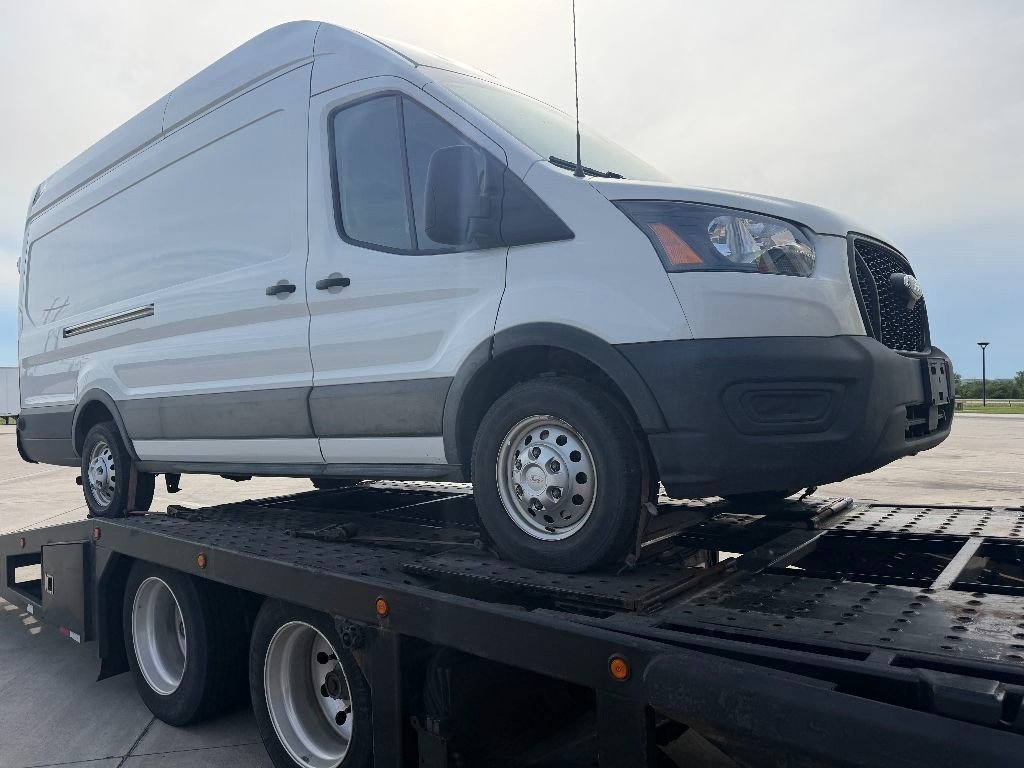
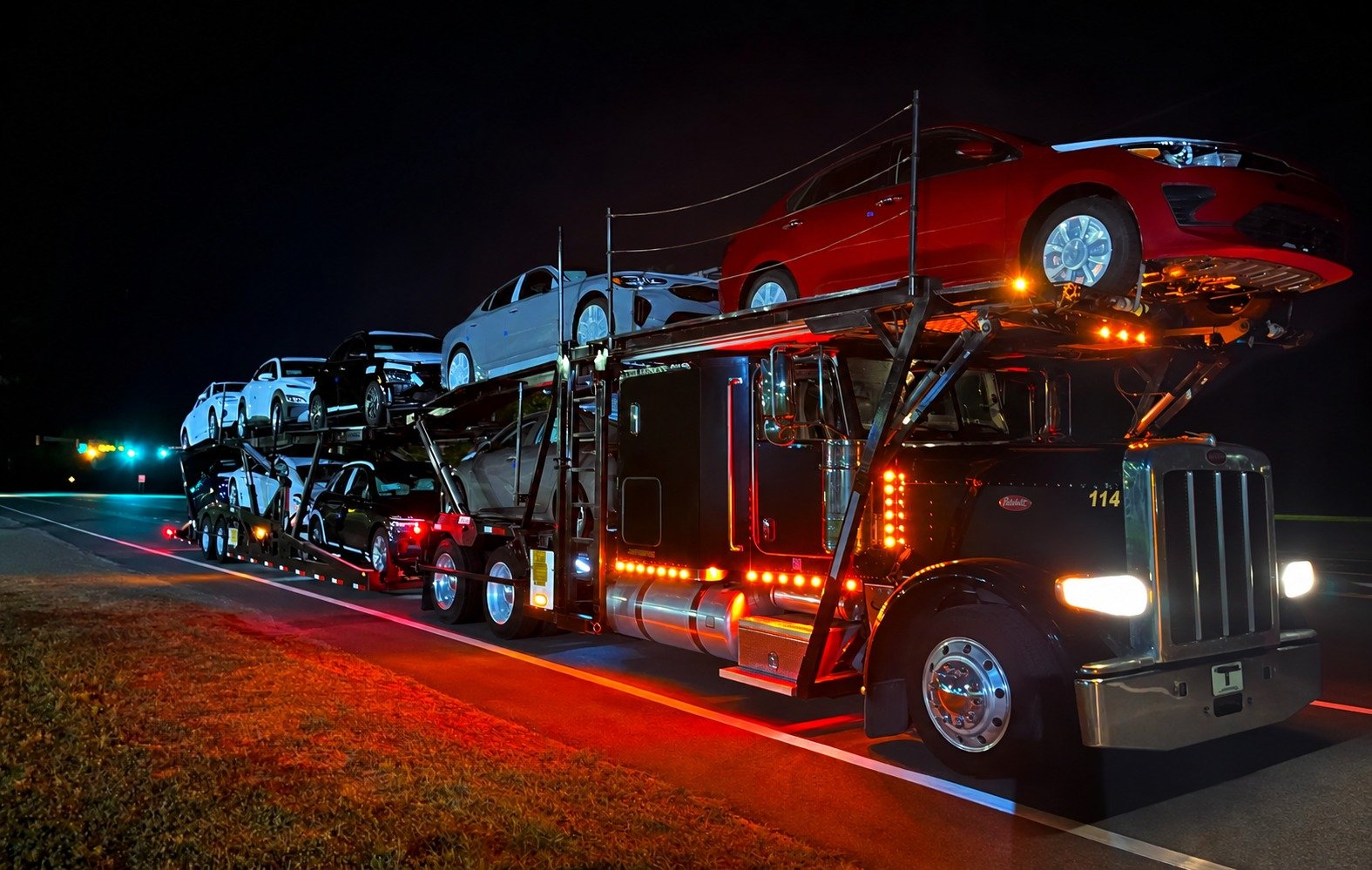
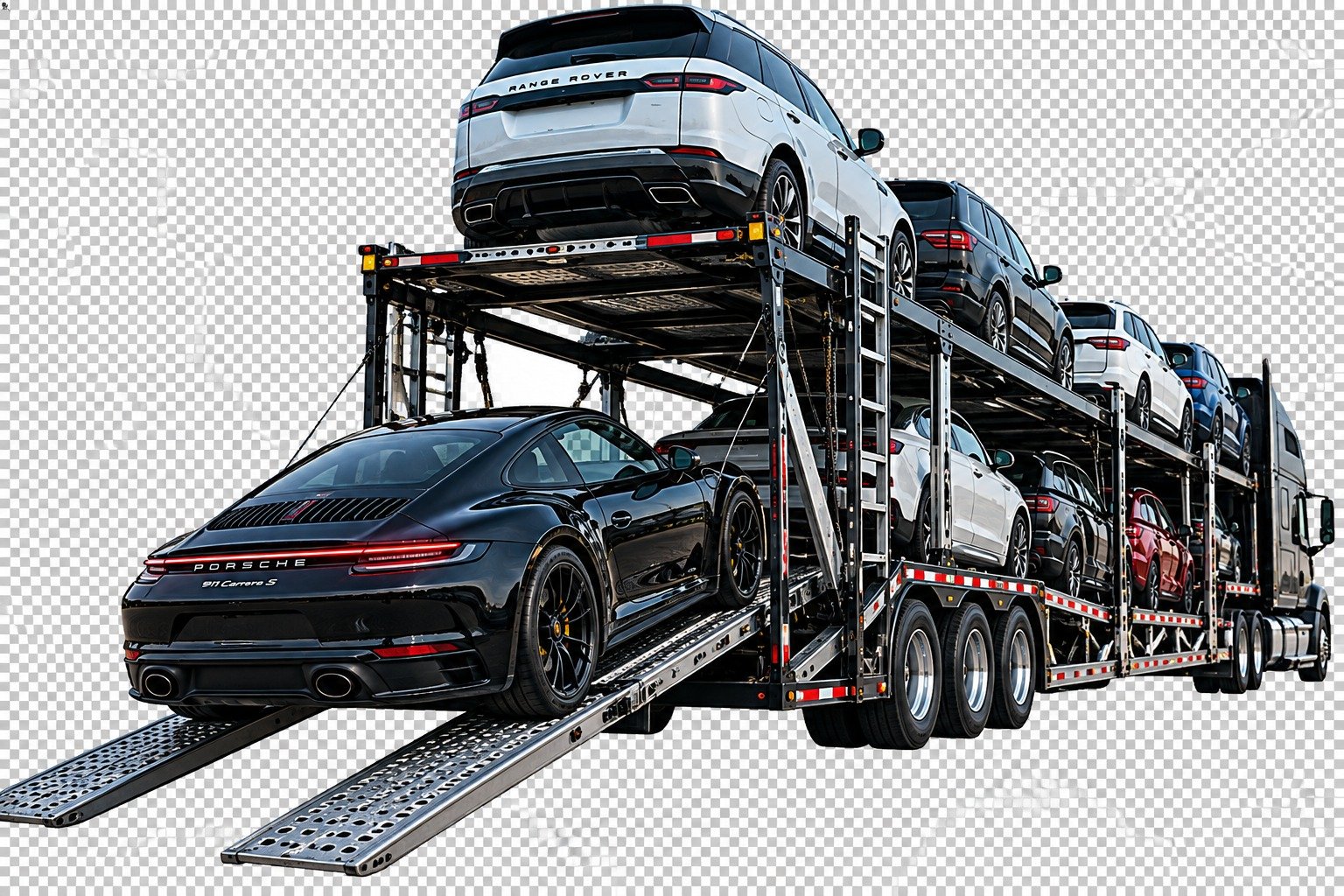
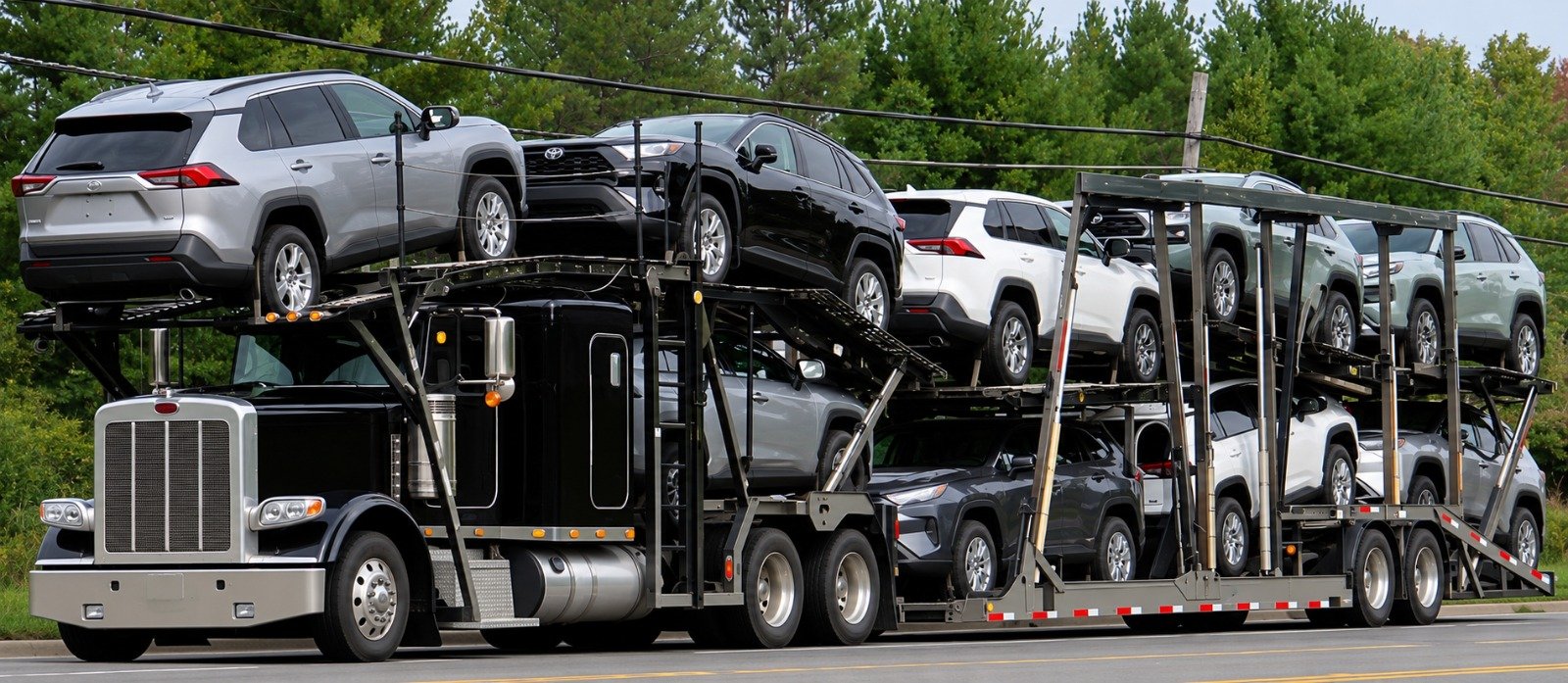
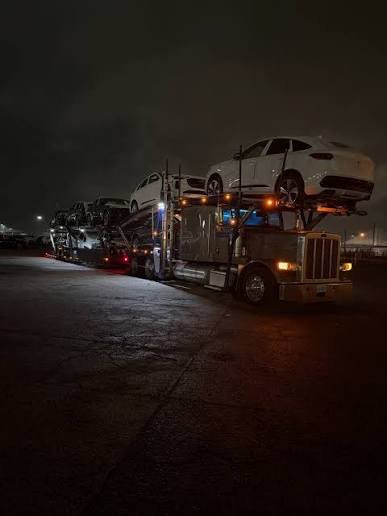
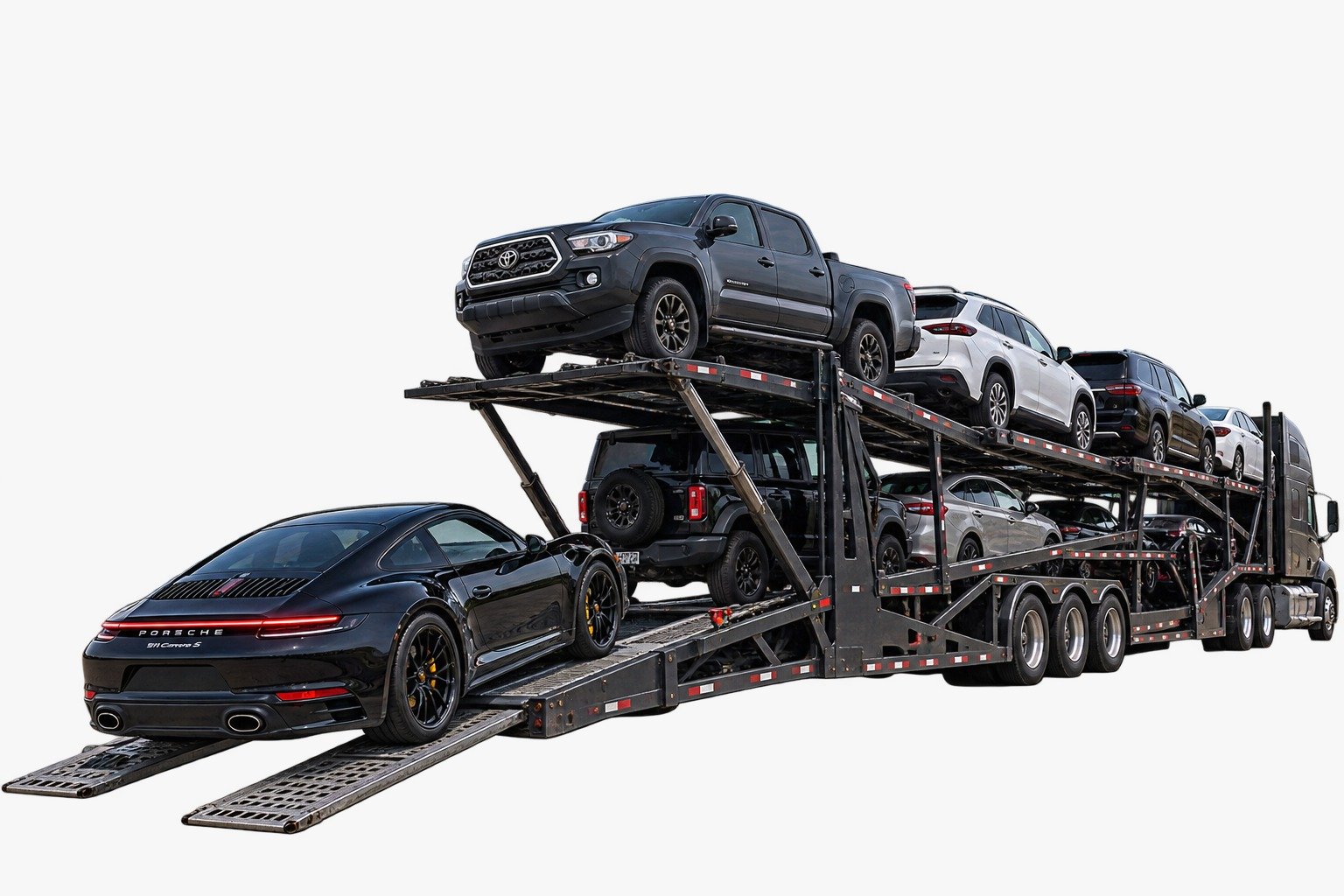
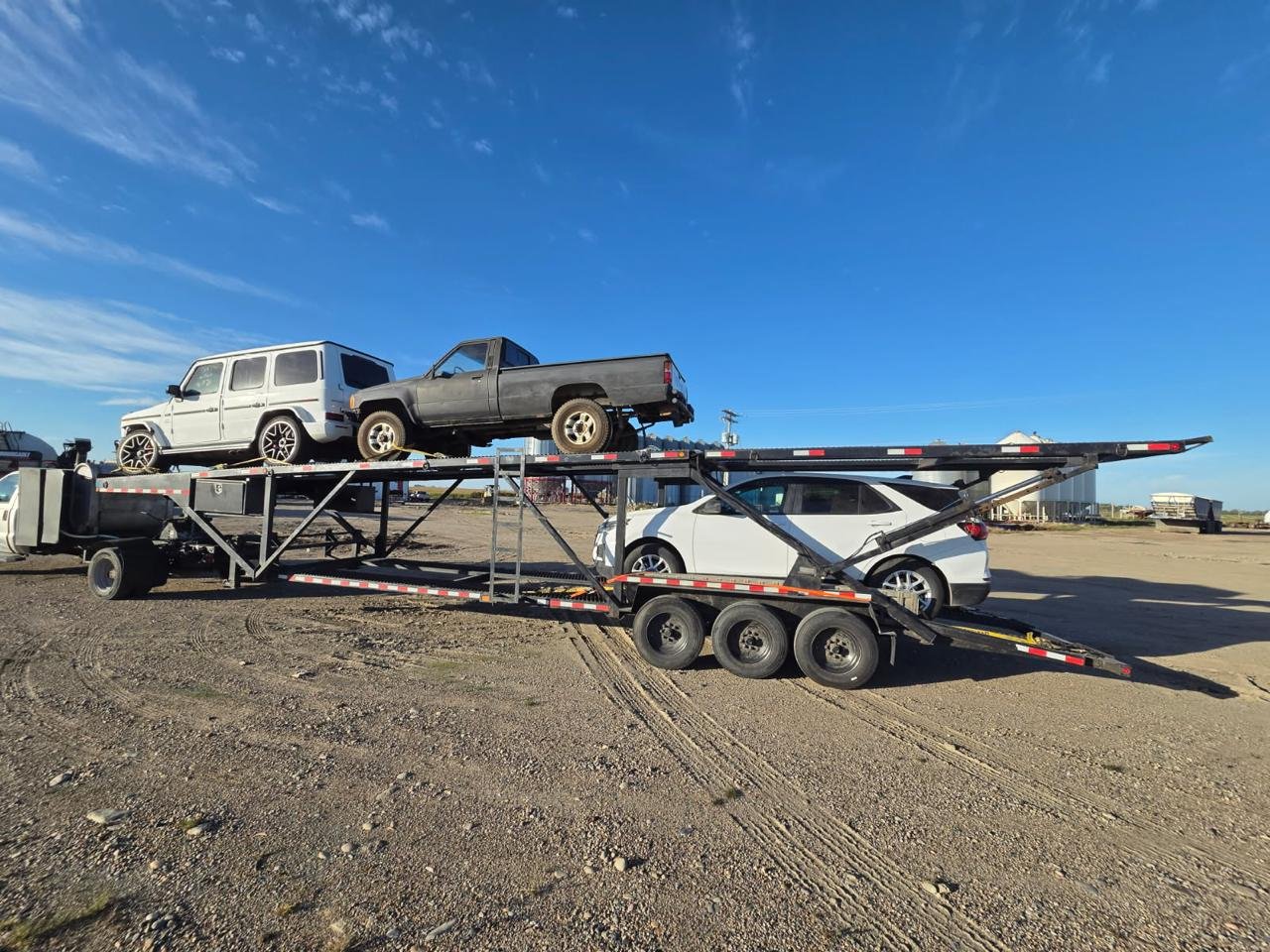
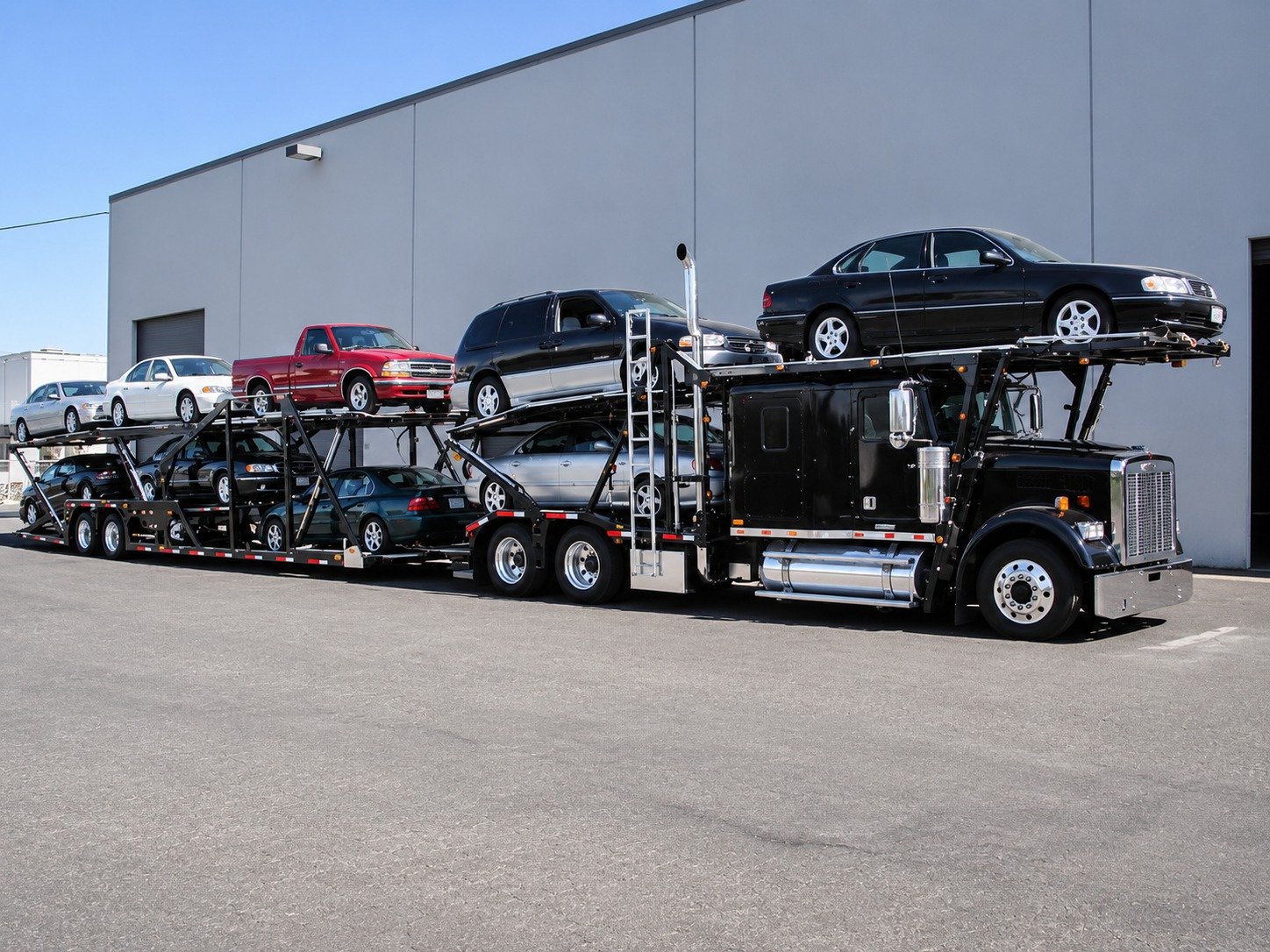
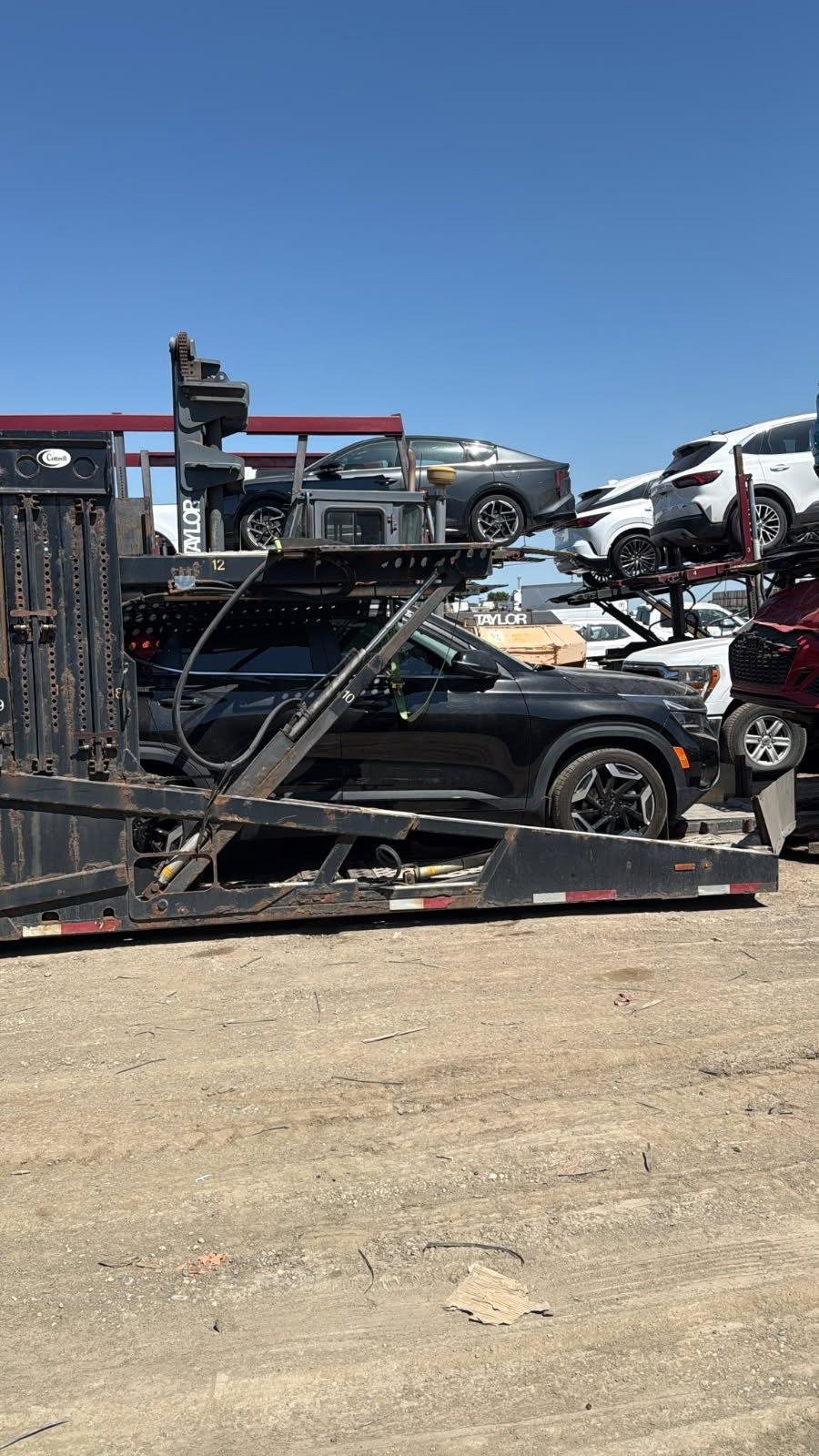
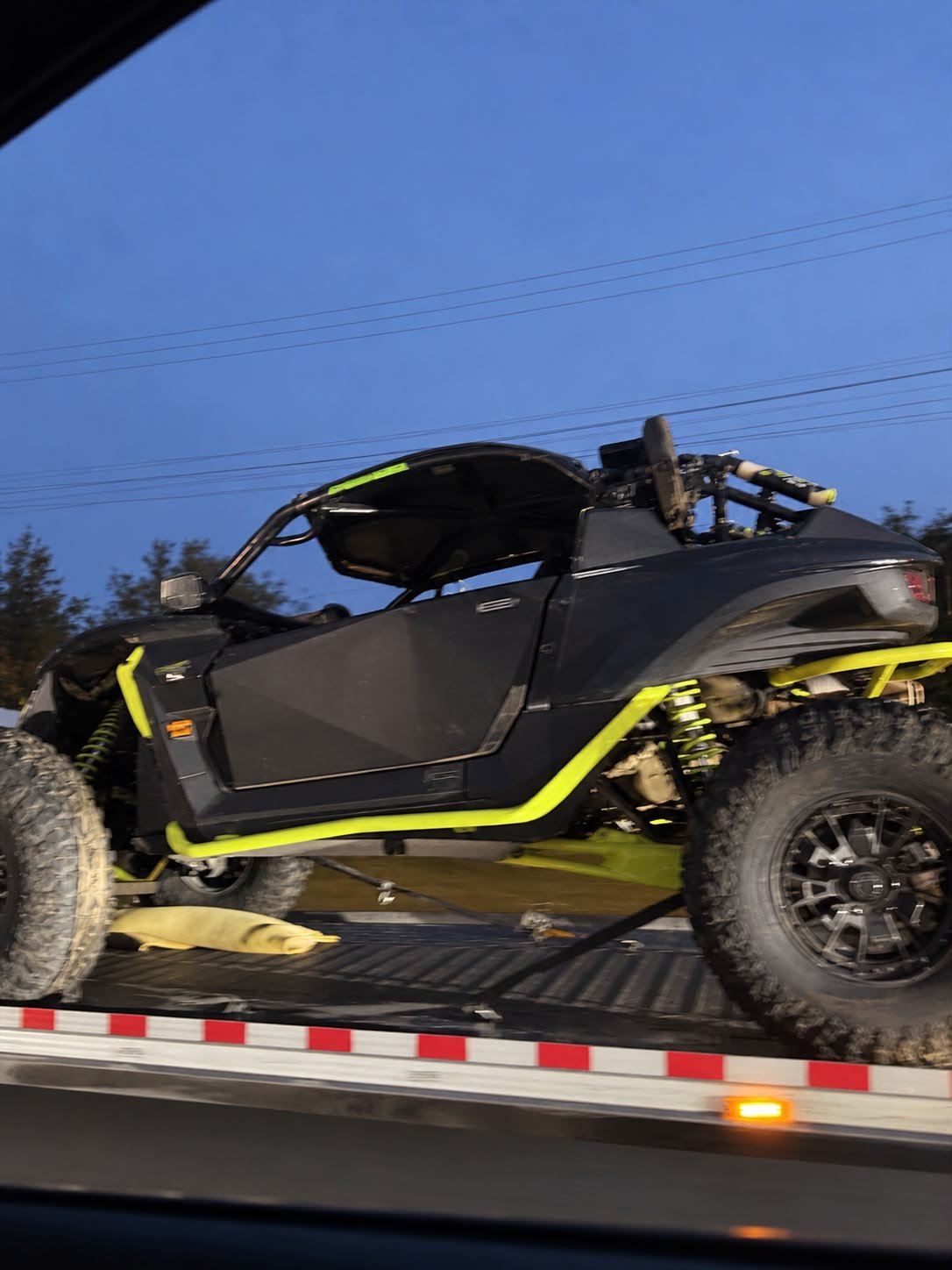
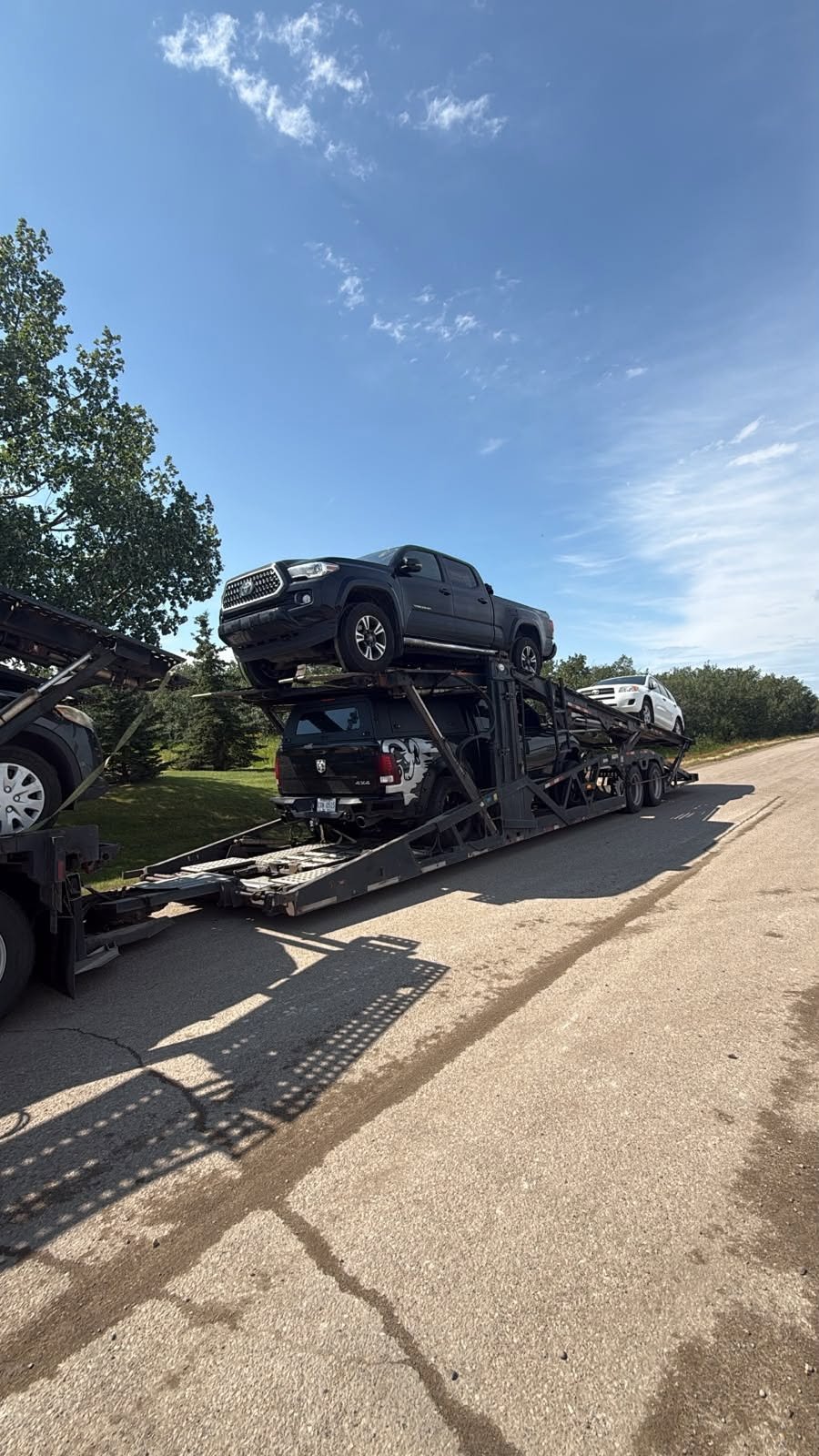
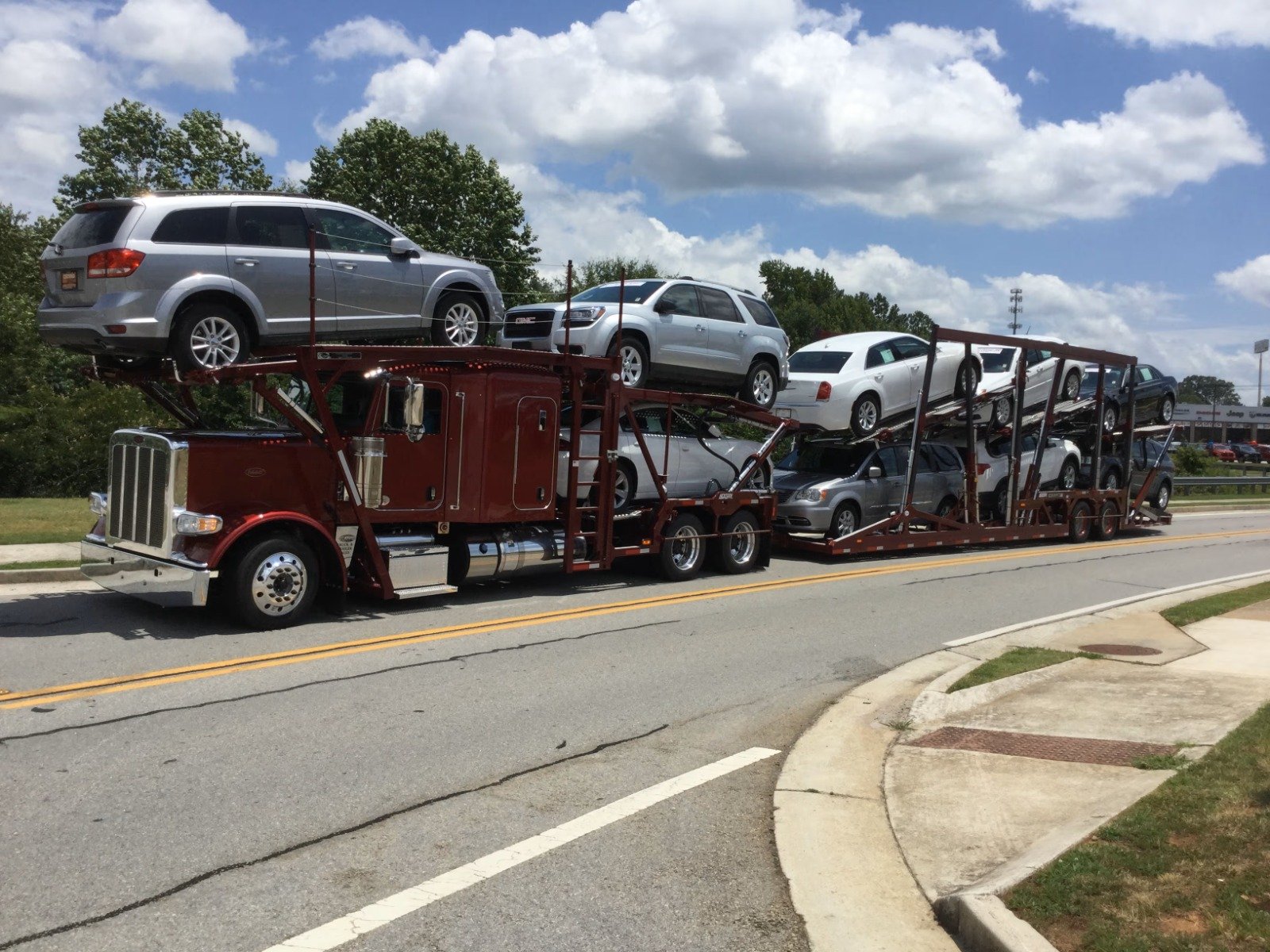
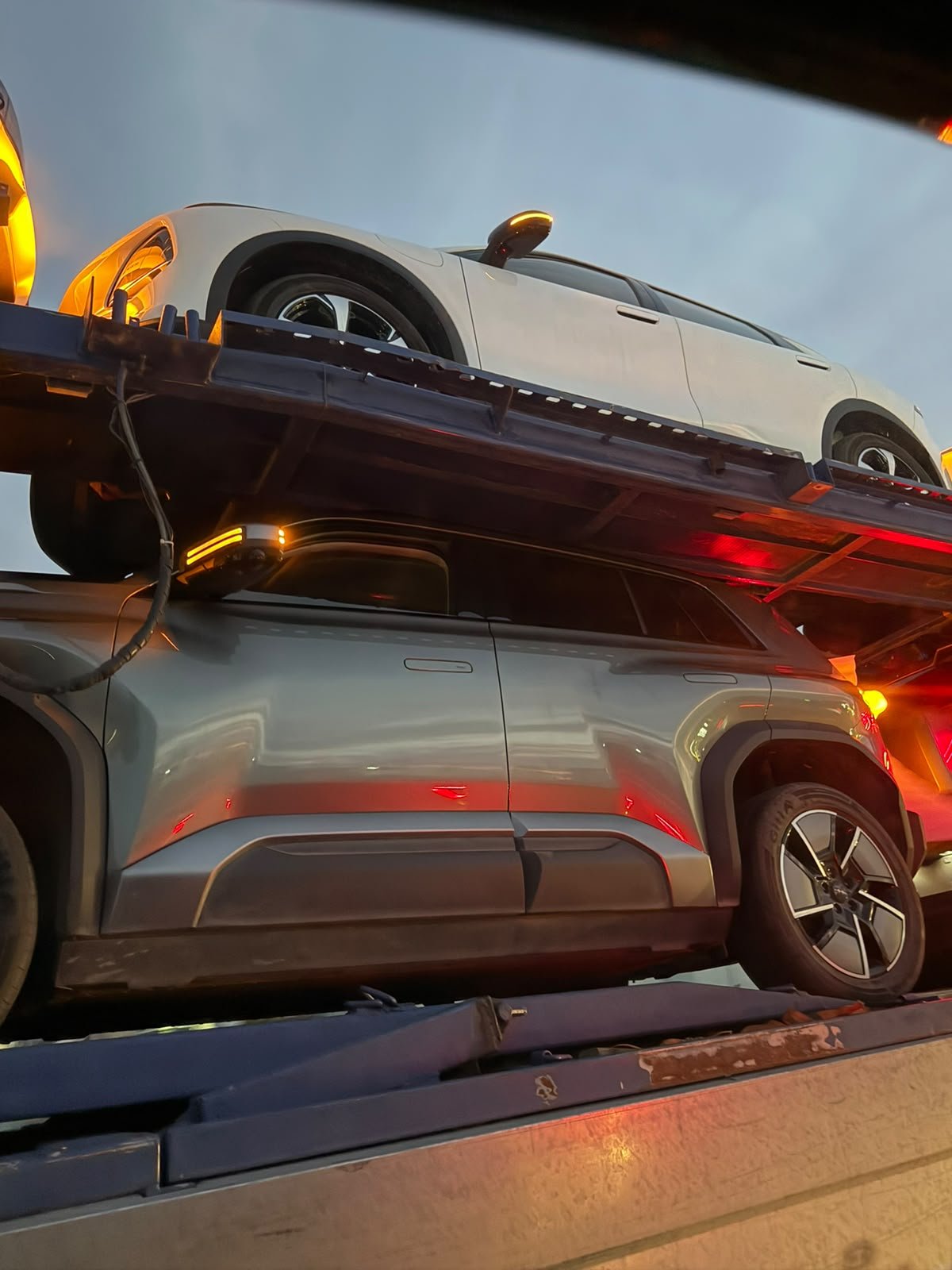
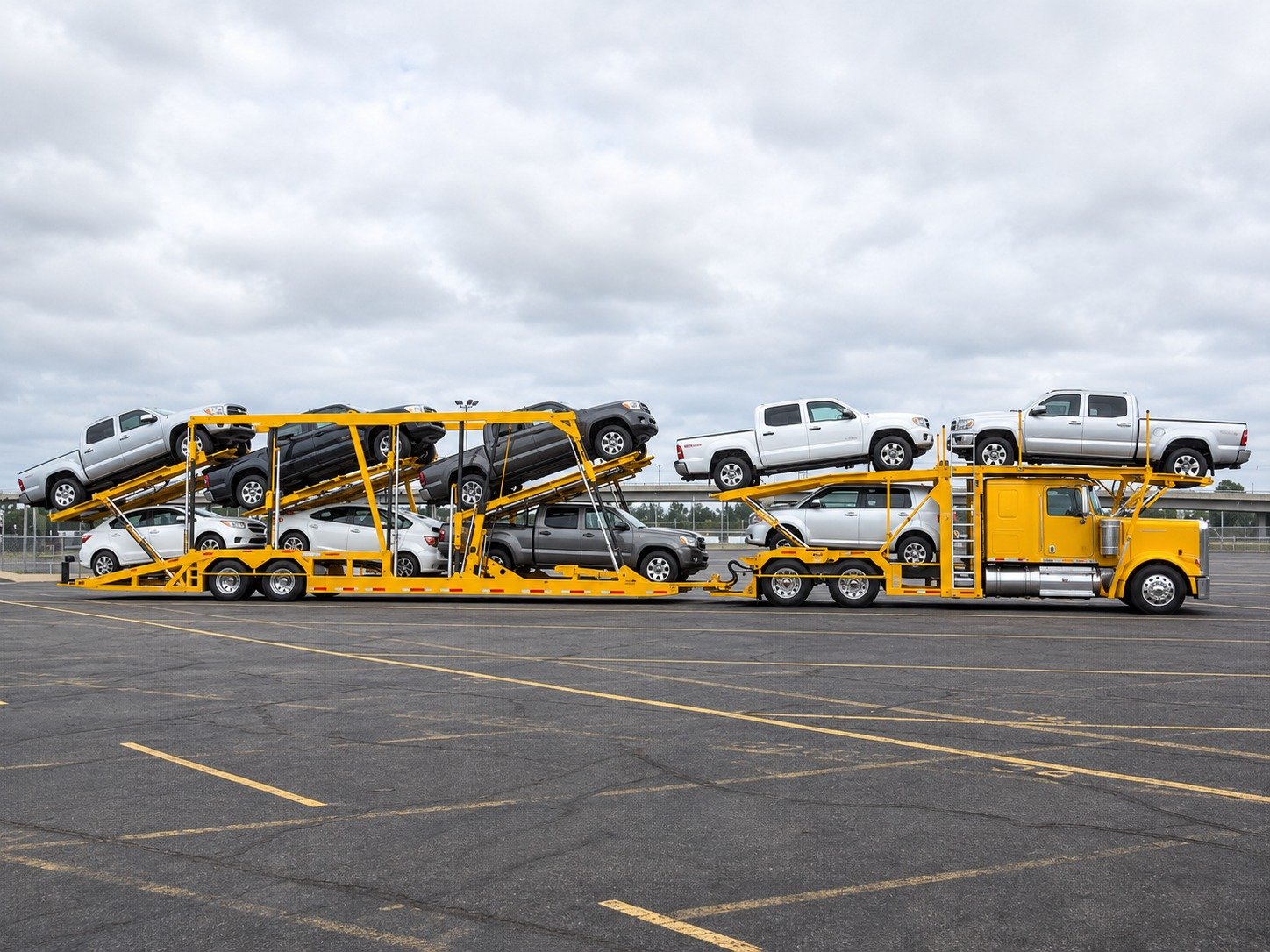
In open auto transport, vehicles are secured onto multi-level, open-air trailers that accommodate multiple cars, SUVs, or pickup trucks at once. Because there are no solid side walls or roof panels, vehicles are exposed to outdoor elements such as rain, snow, wind, and airborne road dust—much like they would be if driven on the highway, without accumulating odometer mileage or mechanical wear.
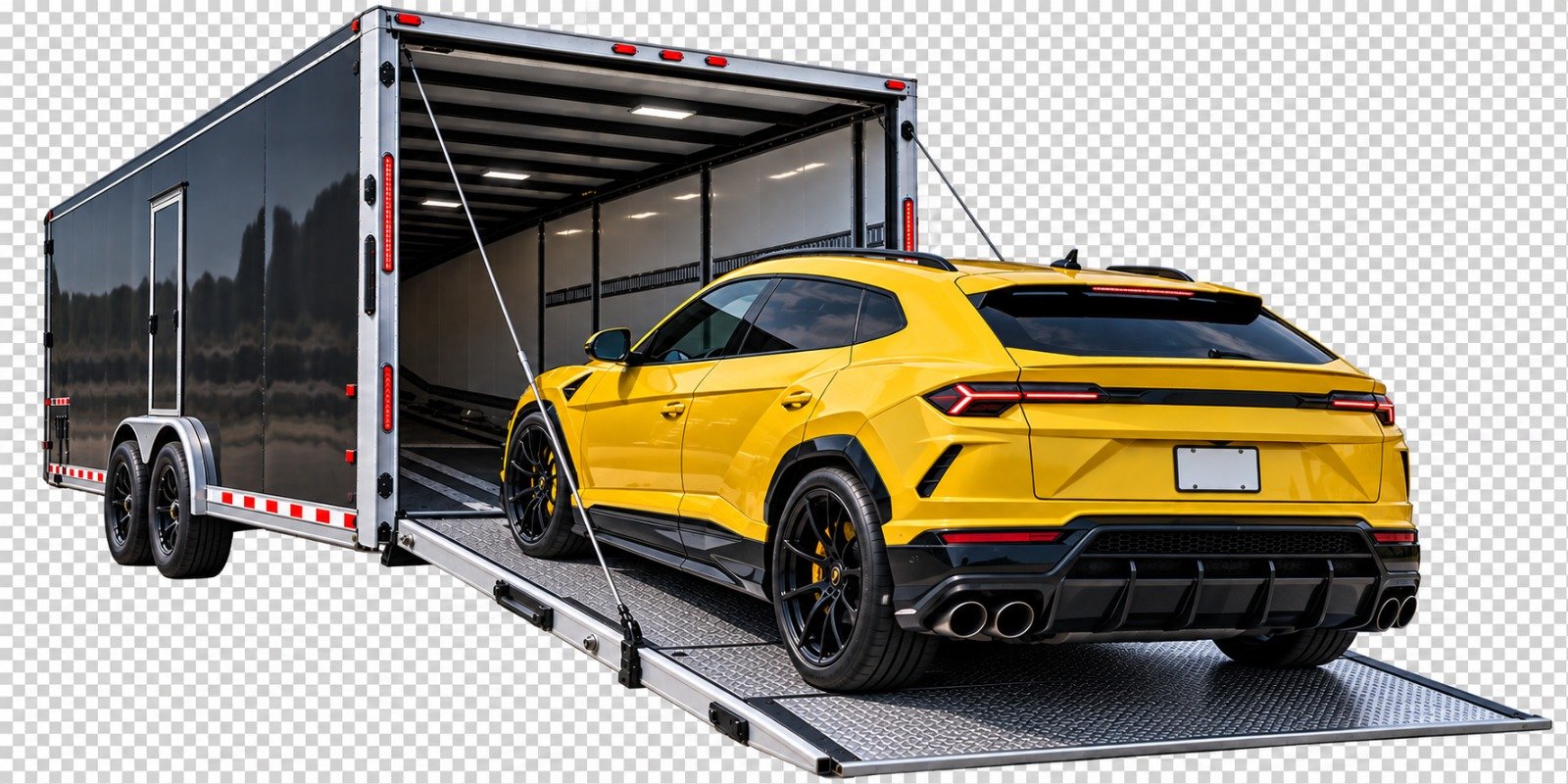
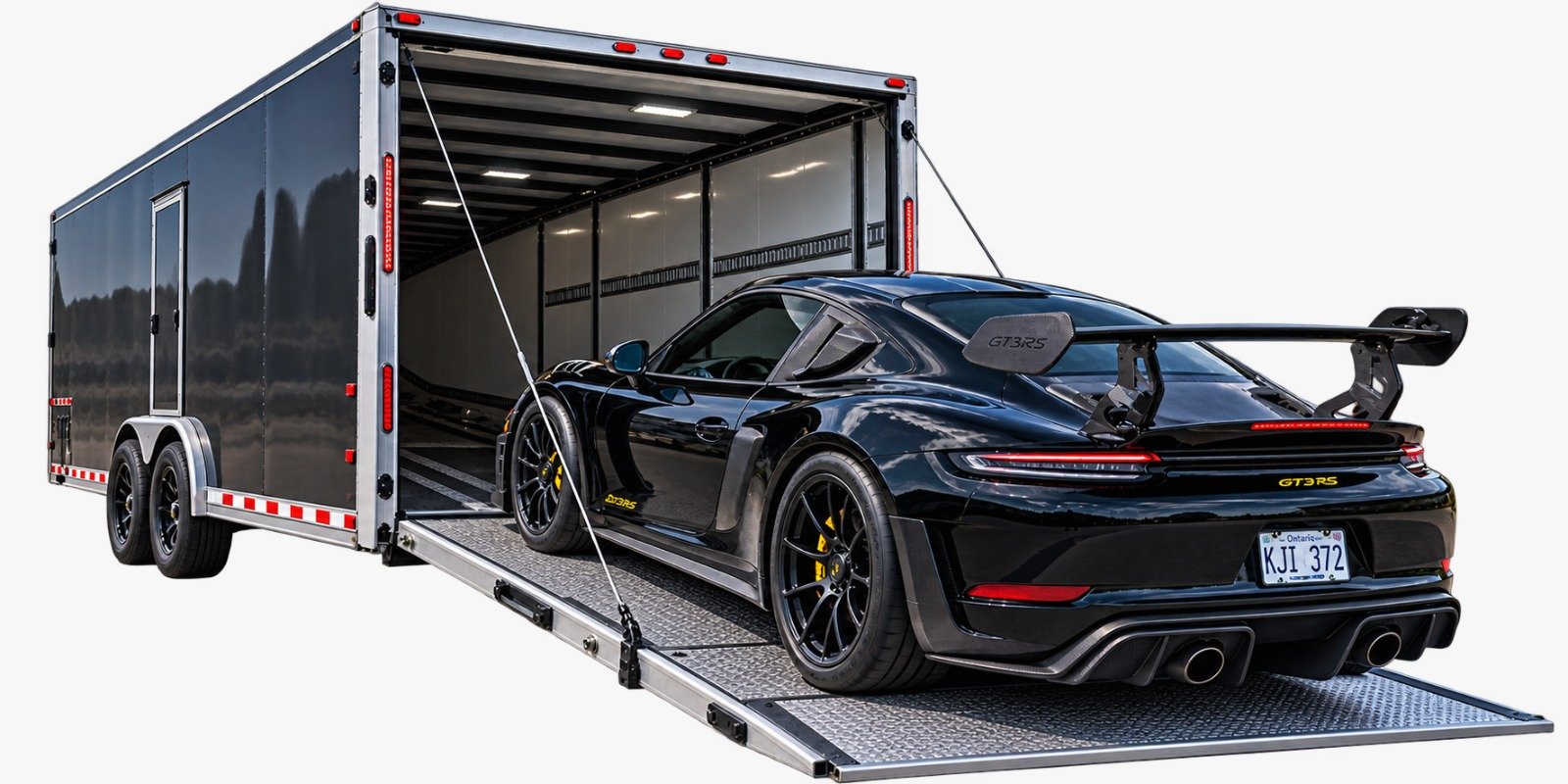
In enclosed auto transport, vehicles are loaded inside a fully covered trailer with hard walls and a solid roof (or heavy-duty soft-side curtain enclosures). An enclosed car carrier trailer shields every angle of the vehicle from road debris, winter road salt, hail, and direct sunlight, while typically carrying fewer vehicles per trip and utilizing specialized loading equipment.
Open Car Carrier Shipping
Designed for maximum routing efficiency across major corridors. Ideal for daily drivers, family SUVs, fleet transfers, and dealership stock where affordability and frequent departures matter most.
Enclosed Vehicle Shipping
Built for high-value protection and low-clearance loading. Preferred for luxury models, collector classics, exotic sports cars, and freshly restored vehicles requiring complete isolation from the elements.
Open Car Transport: How It Works and When It Makes Sense
When you see a multi-vehicle transport truck travelling along the Trans-Canada Highway or Highway 401, you are looking at an open car hauler. This is the standard method used by automotive manufacturers, rental agencies, dealerships, and everyday drivers across North America. Exploring dedicated open car transport services is usually the first step for anyone planning a standard cross-country move.
Key Advantages of Open Auto Transport
- Lower Vehicle Shipping Costs: Because open trailers carry more vehicles per load, fuel, driver, and maintenance expenses are distributed across multiple shipments, making open transport the most budget-friendly option.
- Greater Carrier Availability: Open haulers represent the vast majority of commercial auto carriers operating in Canada, allowing faster pickup windows and broader coverage between major cities and regional hubs.
- Flexible Delivery Models: Depending on your schedule and budget, you can choose between convenient door-to-door car shipping or cost-effective terminal drop-offs.
- Proven Safety Track Record: Modern open trailers use wheel straps and soft tie-downs anchored to factory-approved frame points, keeping vehicles firmly stabilized over thousands of kilometres.
Potential Drawbacks to Consider
The primary trade-off with open transport is weather exposure during transport. Your vehicle may arrive dusty or wet depending on seasonal forecasts, and while major impacts are uncommon, tiny pebbles or highway spray can reach the exterior just as they can during normal highway driving. For standard commuter vehicles, a routine car wash upon delivery easily resolves normal road dust.

Enclosed Car Transport: White-Glove Protection Explained
When a vehicle’s paintwork, custom bodywork, or collector value leaves zero room for environmental exposure, enclosed car transport provides a sealed, climate-shielded environment from pickup to drop-off. Rather than driving up steep metal ramps, vehicles are frequently loaded using hydraulic lift gates that keep the car completely horizontal—eliminating scrape risks for low-clearance front splitters and performance suspension setups.
Key Advantages of Enclosed Car Carriers
- Complete Road Debris Protection: Solid exterior walls block gravel, sand, slush, insect residue, and highway grime from ever touching the finish.
- Protection Against Severe Canadian Weather: Snowstorms, freezing rain, hail, and corrosive road salt are kept entirely outside the trailer.
- Hydraulic Lift-Gate Loading: Ideal for supercars, lowered sports cars, and vintage vehicles with minimal ground clearance.
- Discreet, Low-Volume Transit: Enclosed trailers transport fewer vehicles per load, reducing stops, minimizing handling, and keeping high-profile vehicles out of public view.
Check Ground Clearance Before Booking: If your vehicle has less than 4 to 5 inches of ground clearance—such as a performance coupe, lowered track build, or exotic sports car—an enclosed carrier equipped with a hydraulic lift gate is often essential to prevent bumper or undercarriage contact during loading.
Open vs. Enclosed Car Shipping: Side-by-Side Comparison
Comparing carrier features directly makes it easier to match your vehicle’s needs with the right logistics setup. The table below outlines how open and enclosed car shipping differ across the criteria Canadian vehicle owners ask about most.
| Comparison Factor | Open Car Transport | Enclosed Car Transport |
|---|---|---|
| Weather & Debris Protection | Exposed to outdoor weather, highway dust, rain, and snow | Fully shielded inside a covered trailer against debris, salt, and weather |
| Relative Pricing | Most economical option for standard vehicle shipping | Higher rate due to specialized trailers and lower vehicle capacity |
| Loading Equipment | Standard angled loading ramps suited to normal ground clearance | Often includes hydraulic lift gates for low-clearance and exotic vehicles |
| Carrier Availability | High frequency across major Canadian cities and regional corridors | More specialized fleet; booking ahead is recommended |
| Best Vehicle Fit | Daily drivers, family SUVs, trucks, dealership inventory, fleet units | Luxury cars, classic/antique autos, exotics, custom or high-value builds |
| Inspection & Insurance | Pre- and post-trip condition report with commercial cargo coverage | Detailed condition report with cargo coverage tailored to higher-value units |
How Much More Does Enclosed Car Transport Cost—and What Drives Pricing?
One of the most frequent questions customers ask is: how much more does enclosed car transport cost compared to open shipping? While exact rates vary based on route distance, season, and vehicle dimensions, enclosed vehicle shipping consistently carries a higher price tag than open carrier shipping.
That price difference reflects real operational economics rather than arbitrary markups:
- Trailer Capacity Limits: An open multi-level car hauler can transport several standard vehicles on a single run, whereas an enclosed car carrier trailer accommodates significantly fewer units. Fewer vehicles per trip means each shipment carries a larger share of fuel, driver wages, and equipment overhead.
- Specialized Trailer Equipment: Enclosed trailers cost substantially more to purchase, insure, and maintain—particularly models outfitted with air-ride suspension, hydraulic lift gates, E-track flooring, and interior LED lighting.
- Higher Cargo Liability Limits: Carriers transporting luxury, collector, and exotic automobiles maintain elevated cargo insurance policies to match the higher replacement value of the vehicles on board.
- Route Distance and Corridor Demand: Major interprovincial lanes—such as Toronto to Vancouver car shipping or Calgary to Toronto car shipping—benefit from steady freight volume, whereas remote northern or rural pickups require dedicated routing adjustments.
In addition to open and enclosed highway haulers, long-distance shippers moving standard passenger vehicles between major hubs can also evaluate railway vehicle transportation in Canada as an alternative enclosed-rail option on select coast-to-coast corridors.
Is Open Car Transport Safe for Long-Distance Shipping in Canada?
Yes—open car transport is safe for long-distance shipping across Canada and accounts for the overwhelming majority of consumer and dealership vehicle relocations nationwide. Commercial auto carriers operating across provincial borders are subject to strict federal and provincial safety standards, including mechanical inspections, load-securement rules, and driver hours-of-service regulations overseen by Transport Canada and the Canadian Council of Motor Transport Administrators (CCMTA).
Still, Canada’s geography introduces seasonal realities worth factoring into your decision:
- Winter Road Salt and Sand (November to April): Across the Rockies, Prairies, Northern Ontario, and Atlantic Canada, highways are heavily treated with de-icing brine, salt, and sand. An open carrier exposes your undercarriage and paintwork to winter road spray, whereas enclosed transport isolates the vehicle completely.
- Spring Thaw and Gravel Conditions: During spring freeze-thaw cycles, frost heaves and loose aggregate on highways like the Trans-Canada or Yellowhead Highway increase airborne grit.
- Summer Construction Zones: Peak summer roadwork across provinces can kick up dust and tar, though warm, dry weather generally makes summer the smoothest season for open auto transport.
Before scheduling winter or mountain-pass shipments, checking seasonal highway advisories through resources like Environment and Climate Change Canada or provincial highway networks such as DriveBC helps you anticipate whether weather protection is a priority for your vehicle.

Is Enclosed Car Transport Worth the Extra Cost? How to Decide
Determining whether open or enclosed car shipping is better comes down to matching the shipping method to your vehicle’s market value, physical condition, and personal priorities. Use the practical breakdown below to make a confident choice.
Choose Open Car Transport If:
- You are shipping a daily-driver sedan, crossover, minivan, or standard pickup truck.
- You are relocating between provinces and want the best balance of reliability and cost.
- You bought a standard used or new vehicle from an out-of-province dealership.
- Your vehicle has standard factory ground clearance and routine paintwork.
- You want the widest selection of pickup dates and fastest dispatch availability.
Choose Enclosed Car Transport If:
- You own a luxury, exotic, or high-performance sports car where pristine paint is essential.
- You are shipping a classic, antique, or collector vehicle with irreplaceable trim or finishes.
- Your car has low ground clearance, custom aero kits, or specialized suspension.
- You are shipping during harsh Canadian winter weather and want zero salt exposure.
- Peace of mind and maximum road debris protection outweigh the higher transport rate.
Understanding Auto Transport Insurance Coverage
Regardless of whether you choose open or enclosed shipping, every legitimate carrier coordinates commercial cargo insurance to protect your vehicle while in transit. Before pickup, the driver conducts a detailed walk-around inspection and documents existing scuffs, dents, or windshield chips on the Bill of Lading—a process repeated at delivery so you can verify your vehicle’s condition before signing off. For general consumer guidance on how auto policies interact with third-party transport, the Insurance Bureau of Canada (IBC) provides helpful background for Canadian drivers.
You can also explore all available vehicle transportation services across Canada—including open, enclosed, and rail options—or browse Optixtrace’s Canadian shipping coverage to see how routes are coordinated between major metropolitan centres.

Frequently Asked Questions About Open vs. Enclosed Car Transport
For most standard cars, SUVs, and pickup trucks, open car transport is the practical and economical choice. If you are shipping a luxury automobile, classic or antique collector car, exotic sports car, or a vehicle with low ground clearance, an enclosed carrier is the better option because it provides full protection from road debris and severe weather.
Enclosed auto transport is widely regarded as the best option for luxury vehicles. Hard-sided trailers shield sensitive clear coats, carbon-fibre accents, and custom wheels from gravel, winter salt, and weather, while hydraulic lift gates ensure smooth, level loading without scraping low front bumpers.
Commercial auto carriers are licensed to transport motor vehicles rather than household goods, and strict axle-weight limits apply on Canadian highways. While some carriers permit a small amount of secured personal items in the trunk upon prior approval, personal belongings are generally not covered under carrier cargo insurance. Always confirm guidelines with your coordinator before pickup.
Because there are fewer enclosed car carriers operating across Canada than open multi-vehicle haulers, scheduling an enclosed pickup can occasionally require a slightly wider booking window—especially outside major metropolitan hubs. Once loaded, however, transit speeds on the highway are comparable, and enclosed trucks often make fewer intermediate stops.
Wash your vehicle so existing cosmetic marks are clearly visible during the pre-trip inspection, leave roughly a quarter tank of fuel to keep weight low, check tire pressure and battery charge, remove loose exterior accessories or roof racks, and take dated photos of all sides before handing over the keys.
Final Thoughts on Choosing Open vs. Enclosed Car Transport
Choosing between open vs enclosed car transport does not have to be complicated once you weigh your vehicle’s value, clearance, and seasonal route conditions. Open car carrier shipping remains the trusted, cost-effective standard for everyday vehicles, interprovincial moves, and dealership logistics across Canada. Meanwhile, enclosed car transport delivers unmatched peace of mind for luxury, classic, exotic, and weather-sensitive vehicles that deserve total protection from road debris and Canadian elements.
By working with an experienced Canadian vehicle transportation coordinator like Optixtrace, you can compare both carrier options transparently and select the exact level of protection your shipment requires.
Looking to Ship Your Vehicle Across Canada?
Whether you need reliable open carrier transport for your daily driver or full enclosed protection for a luxury or classic vehicle, Optixtrace coordinates safe, dependable door-to-door and terminal shipping nationwide. Request your customized estimate today.