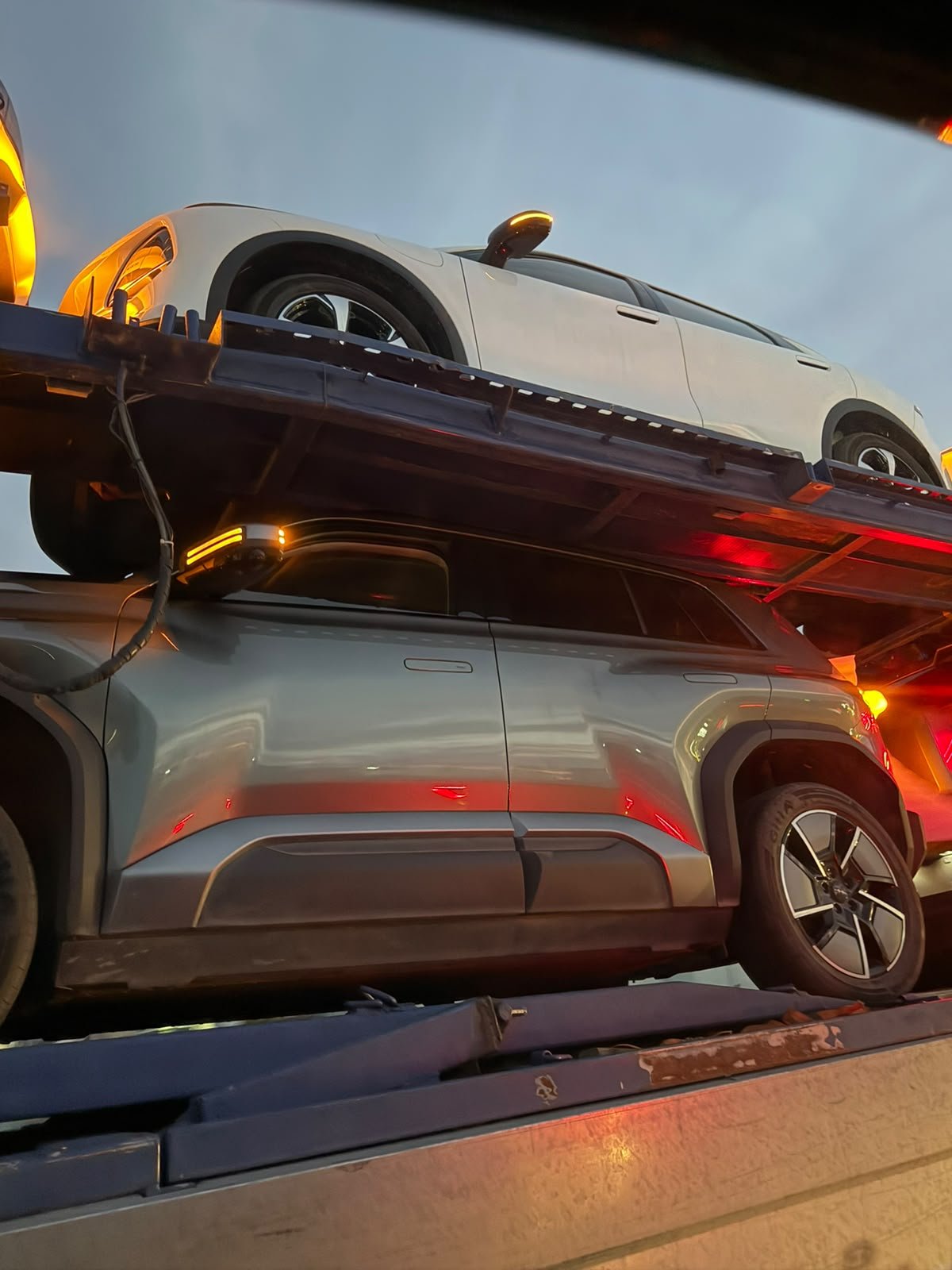
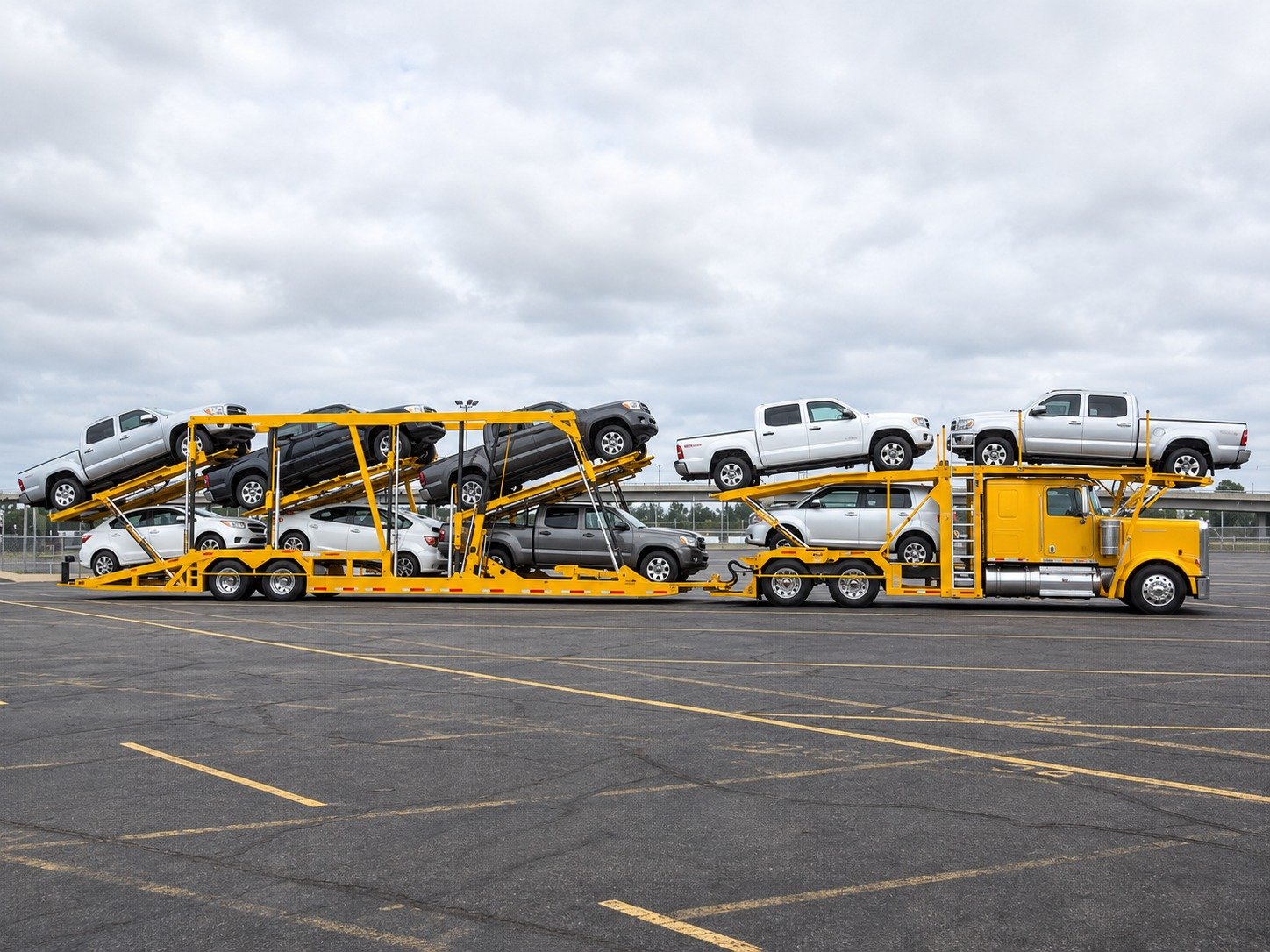
Shipping a vehicle across Canada means contending with thousands of kilometres of highway, gravel-strewn mountain passes, winter road salt, and sudden weather shifts. For daily commuters, standard carriers get the job done reliably—but when you are moving a collector coupe, a low-clearance sports car, or a brand-new luxury SUV, exposed highway transit introduces risks most owners would rather avoid.
Enclosed car transport solves that problem by placing your vehicle inside a hard-sided, weatherproof trailer for the entire journey. In this guide, Optixtrace Car Shipping breaks down how enclosed auto shipping works, how it compares to open haulers, what affects pricing across Canadian corridors, and how to prepare your vehicle for a seamless shipment.
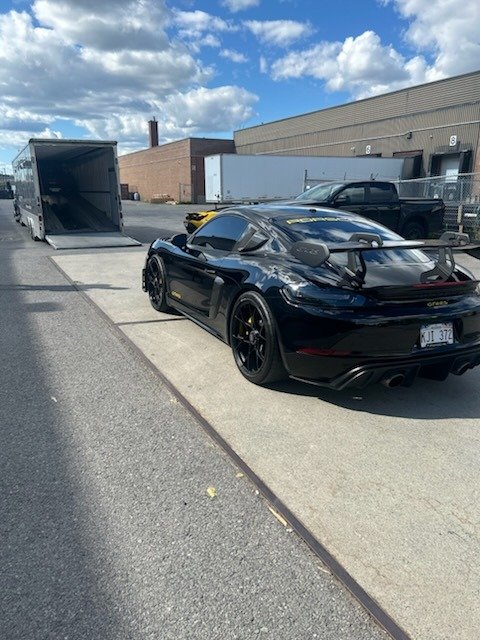
What Is Enclosed Car Transport?
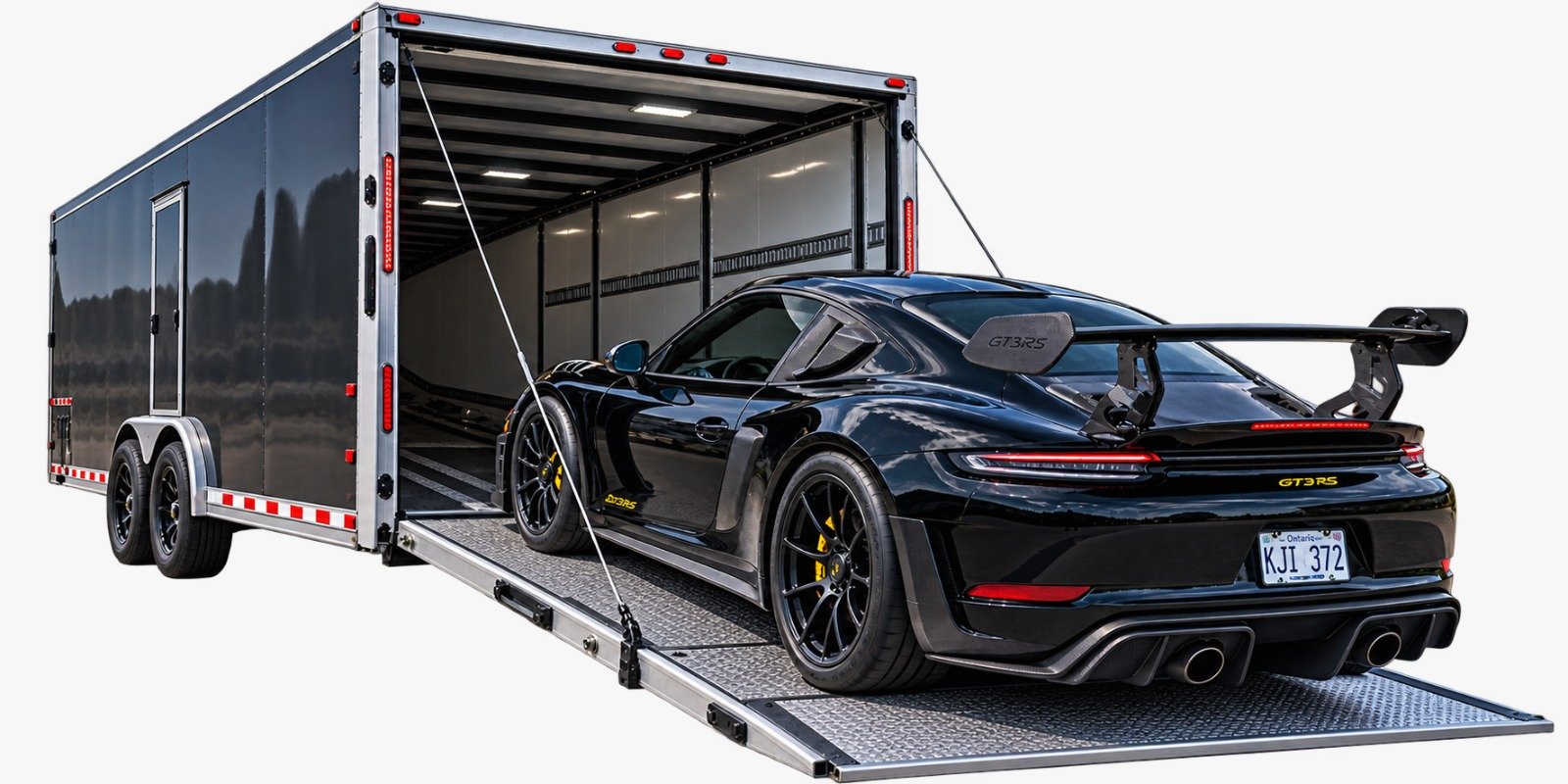
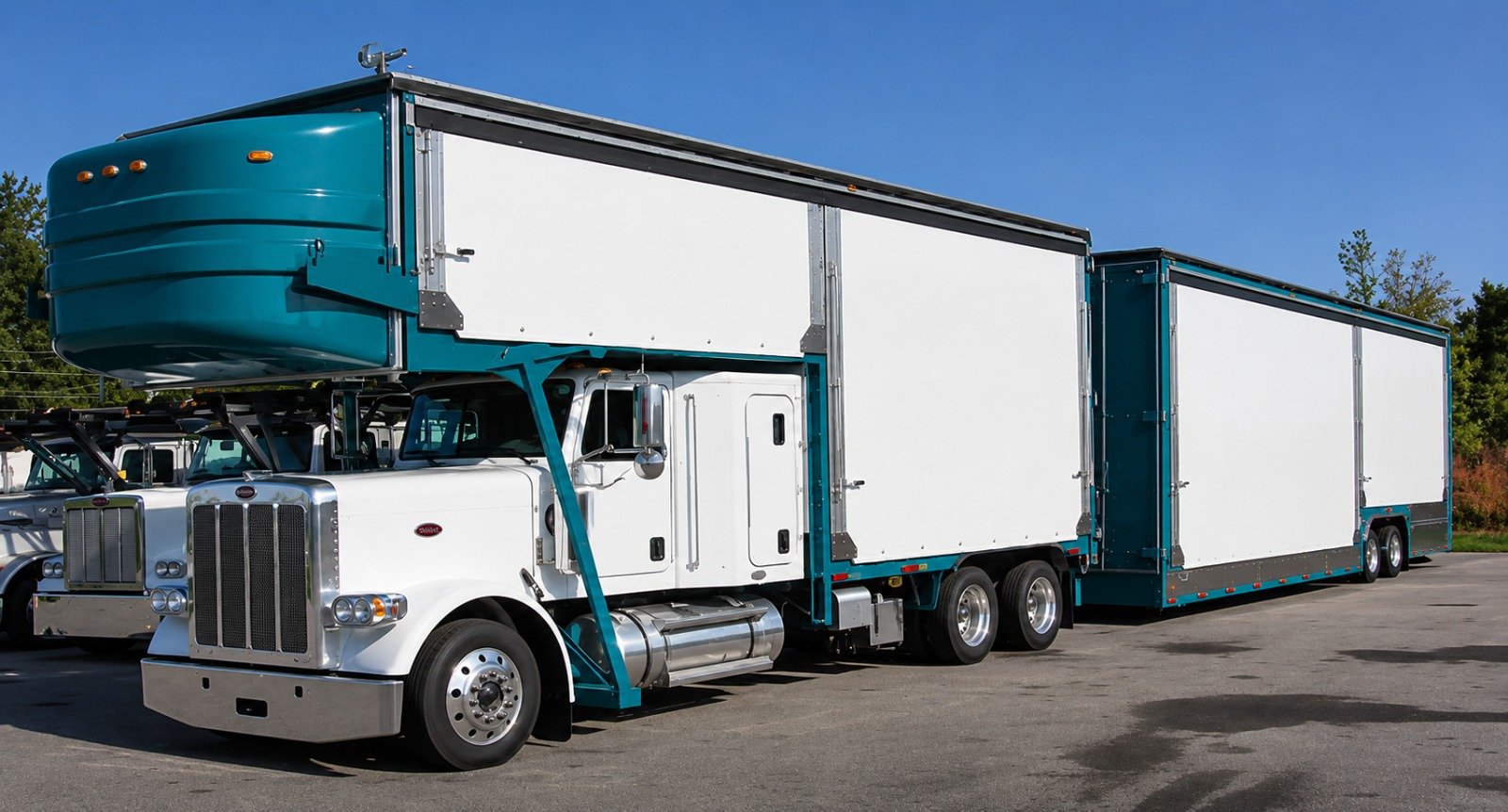
Enclosed car transport (also known as covered car transport or enclosed auto shipping) is a specialized method of moving vehicles inside a fully enclosed car trailer. Unlike traditional open multi-car haulers where vehicles sit exposed on open-air decks, an enclosed car carrier surrounds the cargo with solid aluminum or composite walls, a sealed roof, and locking rear doors.
Because enclosed trailers carry fewer vehicles per load—typically between two and six cars rather than eight to ten—carriers use specialized loading equipment, gentler ramp angles, and non-abrasive wheel-securement systems. In Canada, where provincial highways like the Trans-Canada Highway span everything from coastal rain in British Columbia to sub-zero Prairie blizzards, enclosed vehicle shipping provides an unbroken protective barrier from pickup to drop-off.
Hard-Sided Protection
Solid walls and sealed roofs block rain, freezing slush, UV rays, and airborne highway gravel across every province.
Hydraulic Liftgates
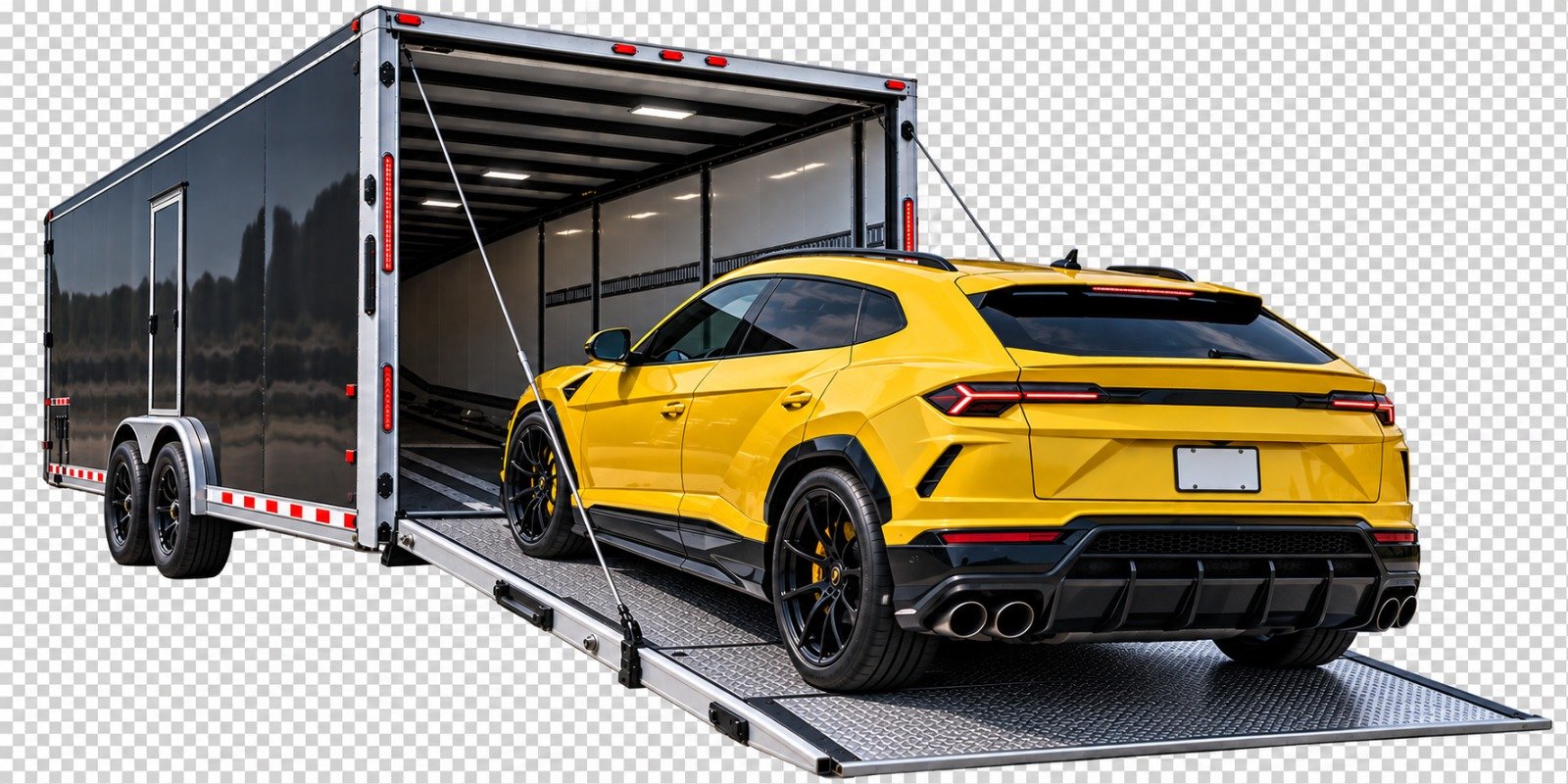
Horizontal liftgates raise vehicles level with the trailer floor, preventing front-splitter scrapes on low-profile cars.
Soft Tie-Down Straps
Over-the-tire nylon straps anchor vehicles to floor E-tracks without placing tension on suspension components or alloy rims.
How Does Enclosed Car Shipping Work Step by Step?
Coordinating enclosed vehicle transport services follows a structured logistics workflow designed to minimize handling and maintain full chain-of-custody documentation from origin to destination.
Route Planning & Carrier Dispatch
Once your shipment details—vehicle make, model, ground clearance, and origin/destination postal codes—are confirmed, logistics coordinators match your vehicle with an vetted enclosed carrier operating along your Canadian corridor.
Pre-Load Inspection & Bill of Lading
At pickup, the driver walks around the vehicle with you (or your dealership representative) to document existing paint, glass, and body condition on the Bill of Lading before loading begins.
Liftgate Loading & Soft-Strap Securement
The vehicle is driven or winched onto a hydraulic liftgate or low-angle ramp, positioned inside the climate-shielded bay, and secured via four-point soft tie-down straps around the tires.
Transit & Final Delivery Sign-Off
The carrier follows commercial hours-of-service regulations regulated under Transport Canada standards. Upon arrival, you inspect the car against the original Bill of Lading and receive your keys.
Door-to-Door vs. Terminal Service Options
Depending on residential street access and local municipal bylaws, you can choose between door-to-door enclosed auto transport—where the carrier loads and unloads as close to your home or dealership as safely permitted—or terminal-to-terminal handoffs at secure commercial yards. Because 53-foot enclosed tractor-trailers require wide turning radii and overhead clearance free of low tree branches, drivers frequently coordinate a nearby wide boulevard or retail plaza when tight residential cul-de-sacs restrict large trucks.
Key Benefits of Enclosed Car Transport in Canada
Understanding the practical benefits of enclosed car transport helps explain why collectors, private buyers, and luxury dealerships rely on covered trailers for interprovincial moves.
- Complete Weather and Road Debris Protection: Canadian highways see heavy winter sanding, liquid de-icers, spring gravel washouts, and summer construction zones. An enclosed trailer keeps road salt, flying stones, hail, and industrial fallout completely off your clear coat and windshield.
- Safe Clearance for Low-Slung Vehicles: Exotic coupes, lowered track builds, and European luxury sedans often have less than 12 centimetres of ground clearance. Hydraulic liftgates eliminate the steep incline that can damage carbon-fibre splitters or exhaust headers on standard open ramps.
- Discreet Security and Privacy: High-value vehicles remain out of public view during overnight fuel and rest stops, reducing unwanted attention and deterring tampering while parked along transit corridors.
- Zero Fluid Drip Exposure: On double-deck open haulers, vehicles on the lower tier sit beneath upper-deck cars. Enclosed trailers use solid drip-proof decking or single-level configurations so oil, coolant, or brake fluid from another vehicle cannot reach yours.
- Dedicated High-Value Handling: Operators assigned to enclosed auto transport routes specialize in delicate clutch engagement, battery maintenance protocols, and non-marring wheel strapping tailored to collector and luxury automobiles.
Shipping between November and April? Even if you normally ship a daily driver on an open carrier in July, upgrading to enclosed vehicle shipping during Canadian winter months prevents corrosive road brine from sitting on your undercarriage and brake calipers for days during cross-country transit.
Enclosed vs. Open Car Transport: Which Should You Choose?
Comparing enclosed vs open car transport comes down to balancing vehicle value, seasonal weather exposure, and budget. Both methods are safe, insured, and widely used across Canada—they simply serve different priorities.
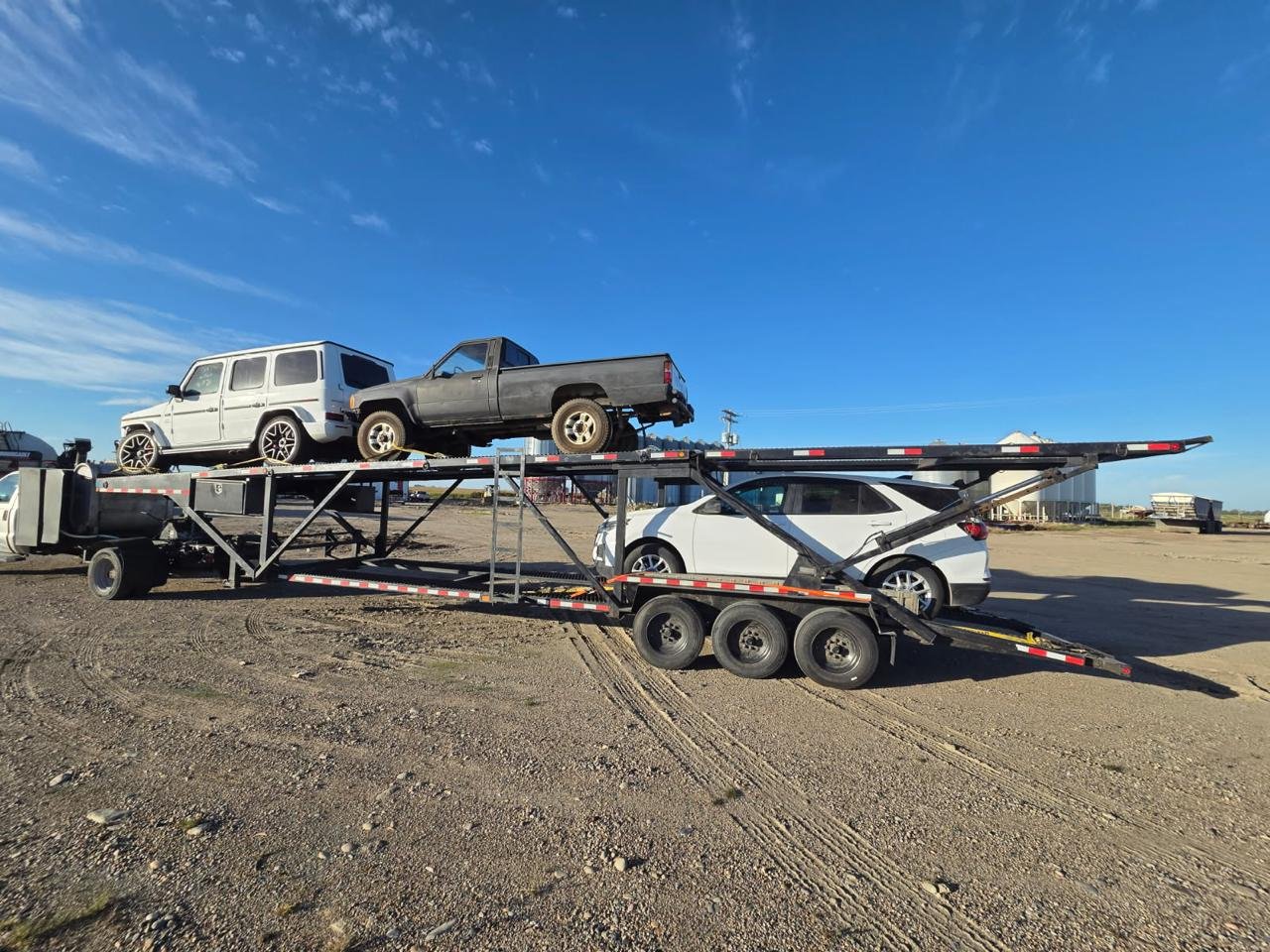
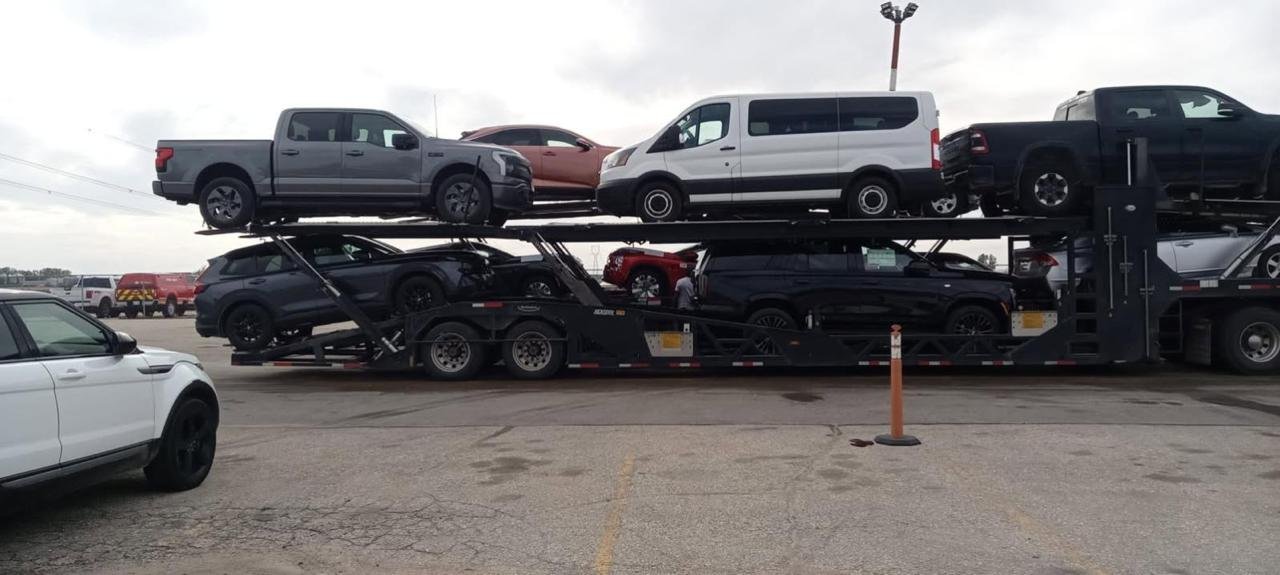
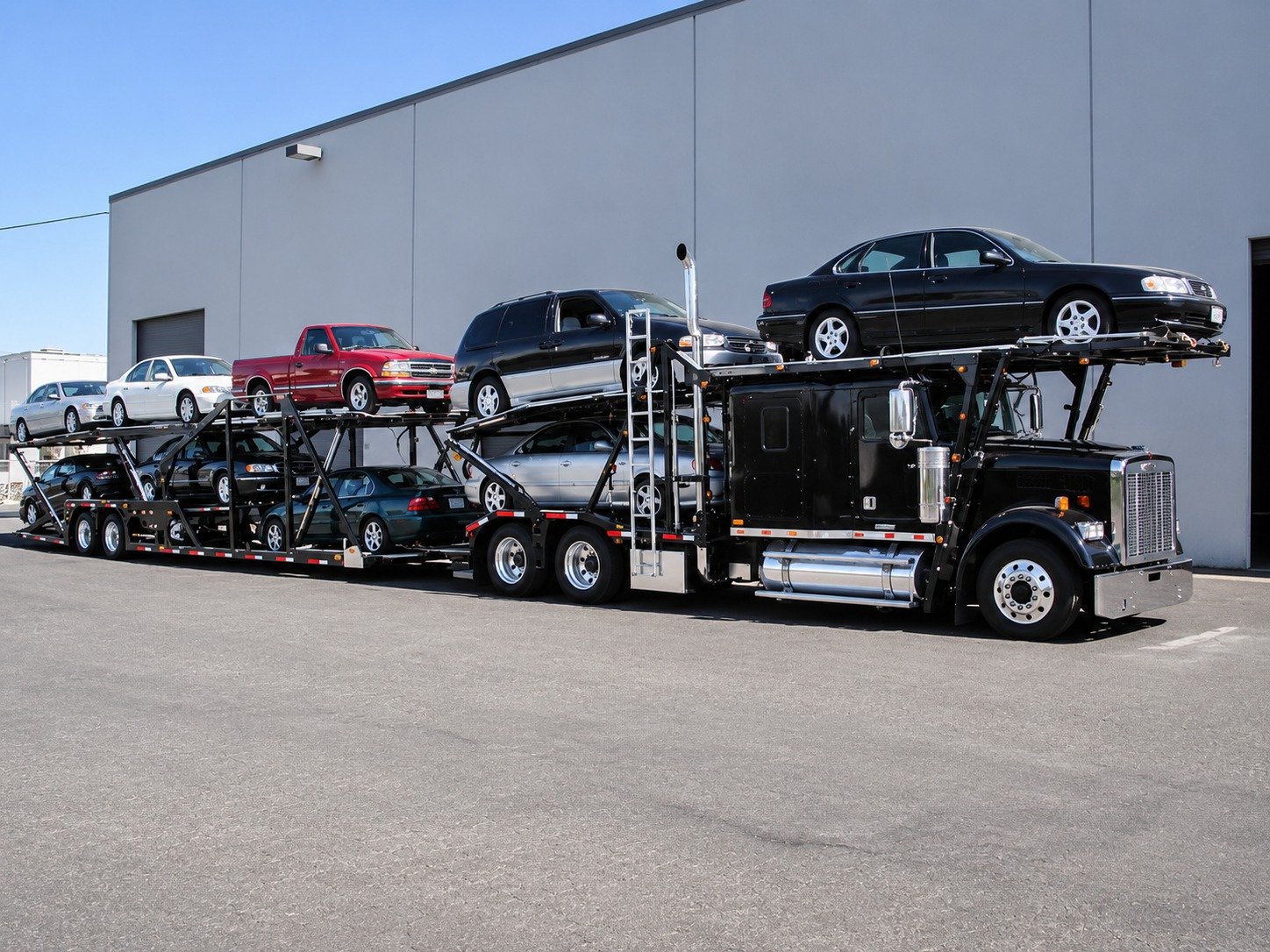
For standard sedans, family SUVs, and fleet vehicles where cost efficiency is the top priority, open car carrier transport remains the industry standard. For long-haul east-west corridors where rail terminals are accessible, some shippers also explore Canadian railway vehicle transportation as an enclosed railcar alternative. The comparison table below outlines how open and enclosed highway carriers differ across key operational criteria.
| Feature | Enclosed Car Transport | Open Car Transport |
|---|---|---|
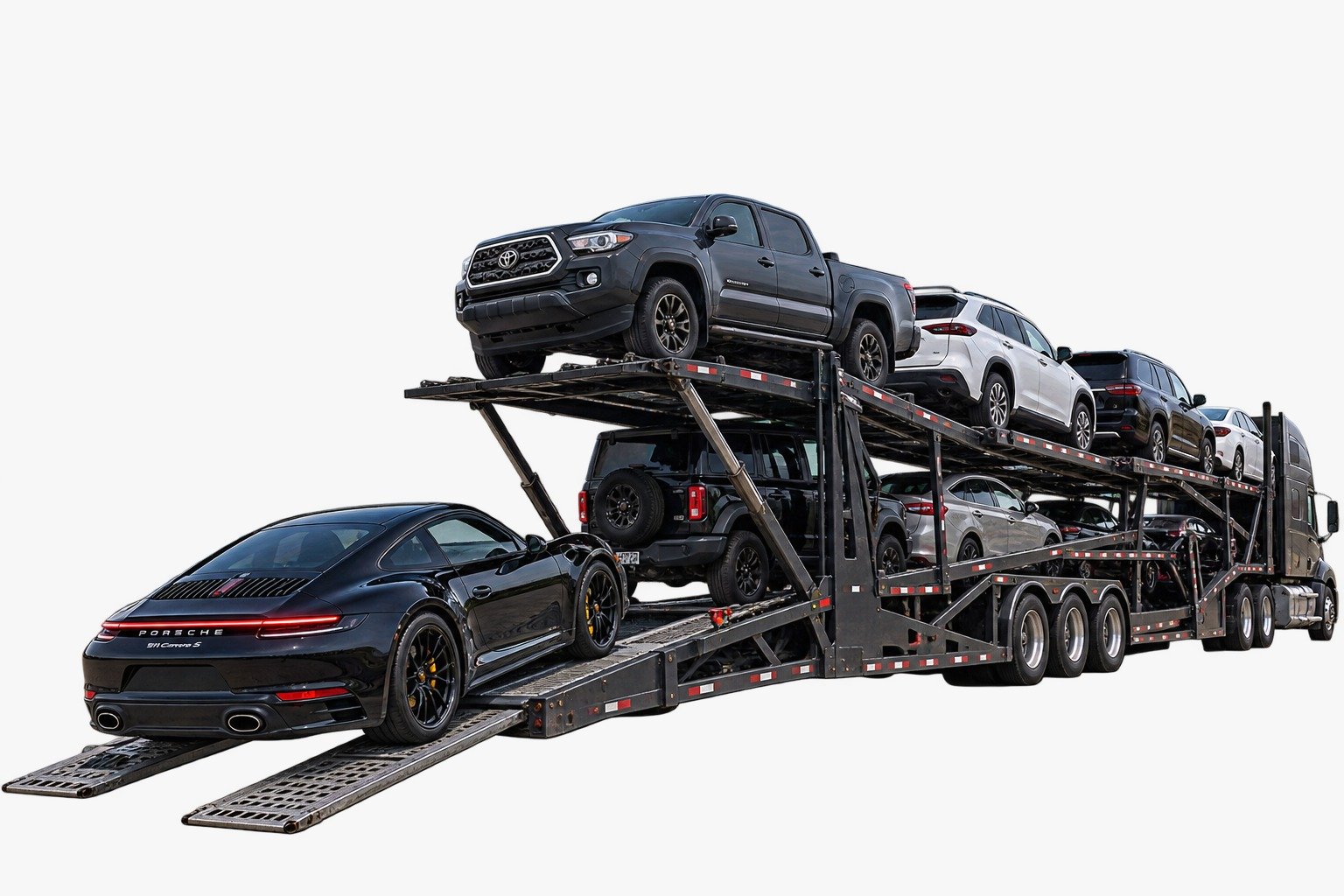
| Trailer Construction | Hard-sided, fully roofed trailer with locked rear doors | Open-air single- or double-deck steel rack trailer |
| Weather & Debris Shield | 100% protected from rain, snow, road salt, UV, and gravel | Exposed to ambient weather and highway spray |
| Loading Equipment | Hydraulic liftgates and low-angle extended ramps | Standard angled metal loading ramps |
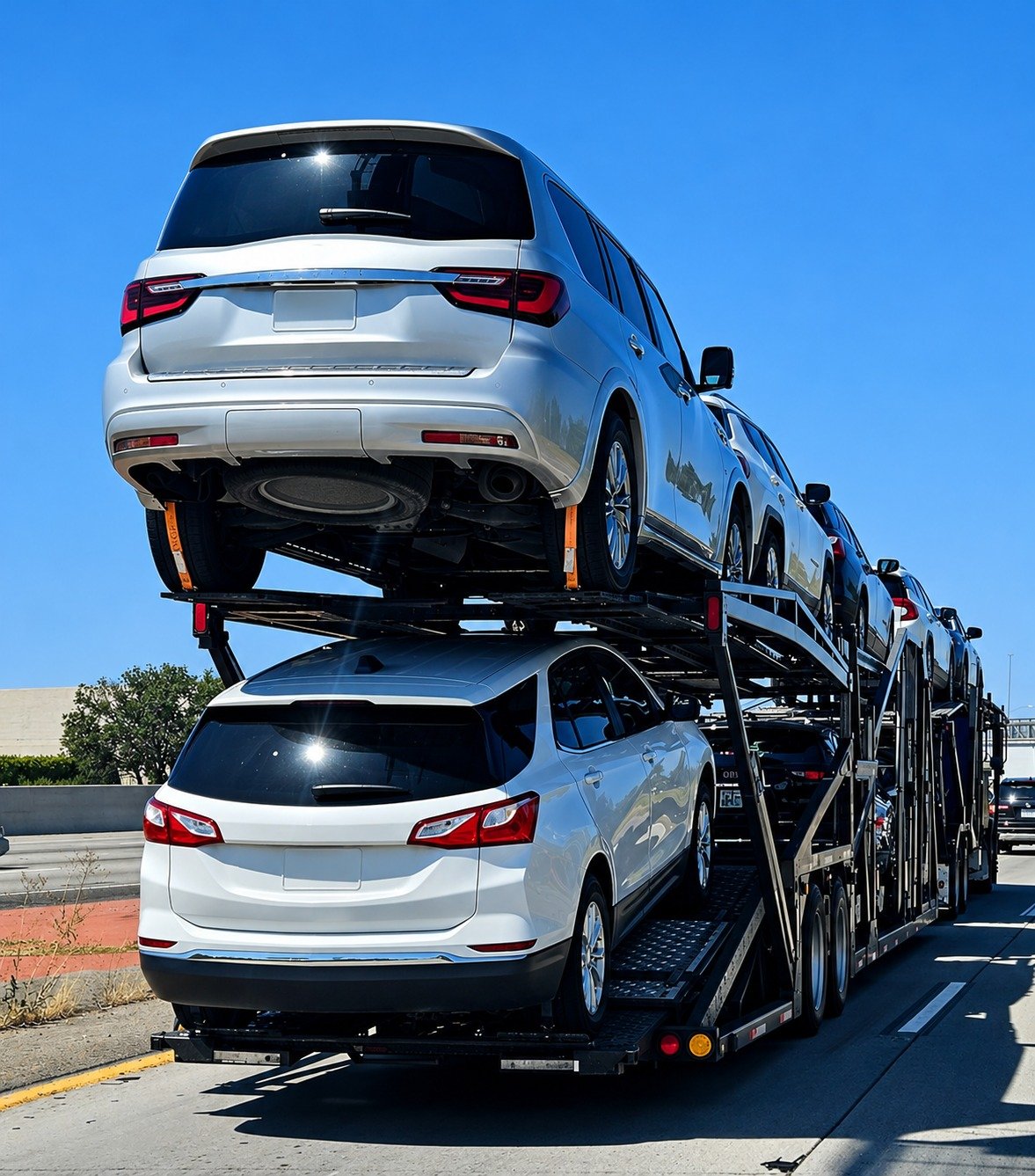
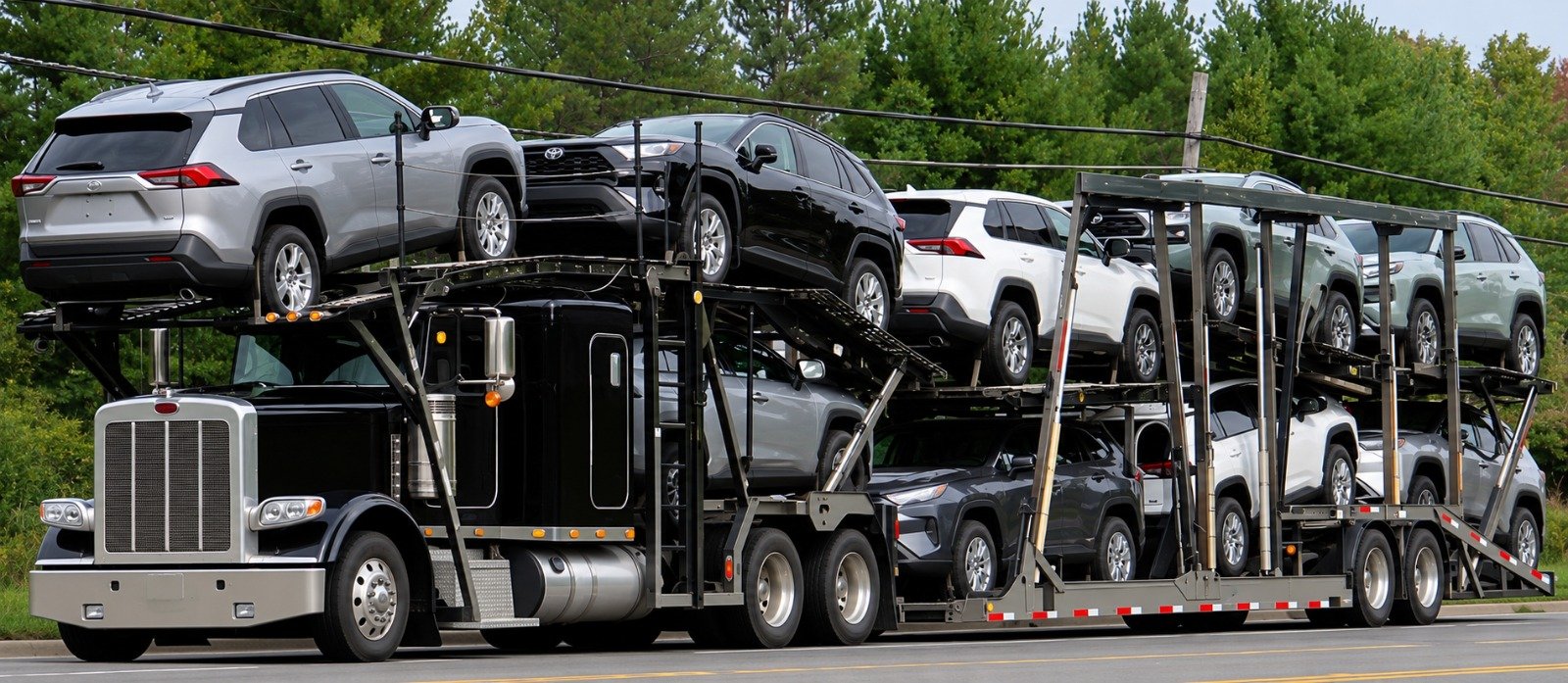
| Vehicles per Load | Typically 2 to 6 vehicles (lower density, less handling) | Typically 7 to 10 vehicles (higher route frequency) |
| Cost Profile | Higher investment (reflects specialized gear & lower capacity) | Most economical option for everyday vehicles |
| Best Suited For | Luxury, classic, exotic, collector, and low-clearance vehicles | Daily commuters, standard SUVs, pickup trucks, fleet units |
When Should You Use Enclosed Car Transport?
Knowing when to use enclosed car transport ensures you invest in extra protection where it genuinely pays off. Across our Canadian shipping corridors—such as Vancouver to Toronto car shipping or Calgary to Montreal vehicle transport—customers typically select covered transport in the following scenarios:
1. Luxury, Exotic, and High-Value Vehicles
When learning how to ship a luxury car in Canada, protecting factory paintwork, ceramic coatings, and carbon-ceramic brake assemblies is paramount. Marques such as Porsche, Ferrari, Lamborghini, Aston Martin, Bentley, and top-trim Mercedes-AMG or BMW M models benefit from enclosed transit so the car arrives in showroom condition without needing immediate paint correction.
2. Classic, Vintage, and Collector Automobiles
Enclosed car transport for classic cars protects aging weatherstripping, lacquered or single-stage paint, chrome trim, and non-pressurized cabin seals that were never engineered to endure modern highway sandblasting or freezing rain.
3. Out-of-Province Dealership & Private Purchases
Buying a rare trim or collector vehicle from a seller in another province is common in Canada’s spread-out automotive market. Enclosed shipping bridges the distance between buyer and seller without adding thousands of kilometres to the odometer or risking stone chips before you even take the wheel.
4. Custom Builds, Track Cars, and Convertibles
Vehicles with aftermarket coilovers, widebody aero kits, vinyl wraps, or soft convertible tops face elevated risks on open trailers. Covered transport shields delicate wrap edges and fabric roofs from high-speed wind buffeting and road grime.
What Affects the Cost of Enclosed Car Shipping in Canada?
Rather than relying on generic flat-rate guesses, reputable Canadian auto transport providers calculate quotes based on live carrier lane availability and physical shipment variables. Several core factors shape your final rate:
- Total Distance and Corridor Density: Major east-west lanes linking Metro Vancouver, Calgary, Edmonton, Winnipeg, the Greater Toronto Area, Ottawa, and Montreal see frequent carrier traffic. Remote northern communities or Atlantic ferry crossings require specialized routing that impacts per-kilometre pricing.
- Vehicle Dimensions and Weight: An enclosed trailer has strict interior height, width, and axle-weight limits. Full-size luxury SUVs, extended-wheelbase sedans, or dually pickups occupy more floor space than a compact sports coupe.
- Operable vs. Non-Running Condition: A vehicle that starts, steers, and brakes under its own power loads quickly. Non-running project cars or auction purchases require winching equipment and additional loading time.
- Seasonal Weather and Demand Shifts: Snowbird migrations in autumn and spring, alongside winter highway closures monitored through provincial advisories like DriveBC and Ontario 511, influence carrier capacity and transit schedules.
- Cargo Insurance Valuation: Carriers maintain commercial motor truck cargo policies, and higher declared vehicle values may require supplemental coverage verification prior to dispatch—an area where guidance from the Insurance Bureau of Canada helps owners understand how personal auto policies interact with commercial transit.
How to Prepare Your Vehicle for Enclosed Transport
Taking 20 minutes to prepare your car before the driver arrives streamlines the inspection process and ensures smooth loading onto the enclosed car carrier.
- Wash the Exterior Thoroughly: Clean paint allows both you and the driver to spot and note even minor pre-existing hairline scratches or rock chips on the Bill of Lading.
- Take Timestamped Photos: Capture clear photos of all four corners, the roof, wheels, bumpers, windshield, and odometer reading right before pickup.
- Keep Fuel at Roughly One-Quarter Tank: A quarter tank provides plenty of fuel for loading and unloading without adding unnecessary curb weight to the trailer.
- Remove Loose Personal Items and Accessories: Clear out loose cabin items, radar detectors, toll transponders, and detachable spoilers or custom car covers that could shift or rub during transit.
- Check Battery Charge, Tire Pressure, and Fluid Leaks: Confirm the battery holds a strong charge, tires are inflated to factory PSI, and there are no active fluid leaks that could drip onto lower-deck cargo.
- Disable Aftermarket Alarms: Deactivate motion-sensitive anti-theft alarms so highway vibrations inside the trailer do not drain your battery mid-route.

Frequently Asked Questions About Enclosed Car Transport
If your vehicle has high market or sentimental value, delicate custom or collector paintwork, low ground clearance, or is travelling across Canada during winter salt and gravel season, enclosed car shipping is generally well worth the added investment. For routine daily drivers moving in mild weather, open transport usually offers better value.
Most commercial enclosed car carriers are weather-sealed and insulated against wind, rain, snow, and extreme drafts rather than actively air-conditioned or heated like refrigerated freight trailers. However, keeping your vehicle completely dry and out of freezing windchill prevents moisture intrusion and road-salt corrosion throughout transit.
Carriers operate under strict commercial axle-weight regulations and cargo insurance rules that apply to the vehicle itself rather than household goods. Small, lightweight items secured in the trunk may occasionally be permitted depending on carrier policy, so always confirm exact weight and item guidelines with your coordinator before pickup.
Modern enclosed carriers use heavy-duty nylon over-the-wheel straps and rubberized wheel chocks anchored directly into recessed floor E-tracks. This holds the tires firmly in place while allowing the car’s own suspension to absorb highway bumps naturally, without metal hooks ever touching your chassis, control arms, or alloy rims.
Because enclosed trailers represent a smaller, more specialized portion of Canada’s car-hauling capacity than open carriers, booking 1 to 3 weeks ahead of your target pickup window gives dispatchers the best flexibility to align a carrier on your exact route.
Choosing the Right Protection for Your Canadian Vehicle Shipment
Enclosed car transport offers the highest level of physical protection available in commercial road logistics. By combining solid-walled weather shielding, hydraulic liftgate loading, and non-marring soft tire straps, covered carriers safeguard luxury, classic, exotic, and collector vehicles across Canada’s longest and most demanding highway corridors.
Whether you are relocating between provinces, finalizing an out-of-province dealership acquisition, or moving a prized collector car for the season, understanding how enclosed shipping works lets you plan ahead with clarity and confidence.