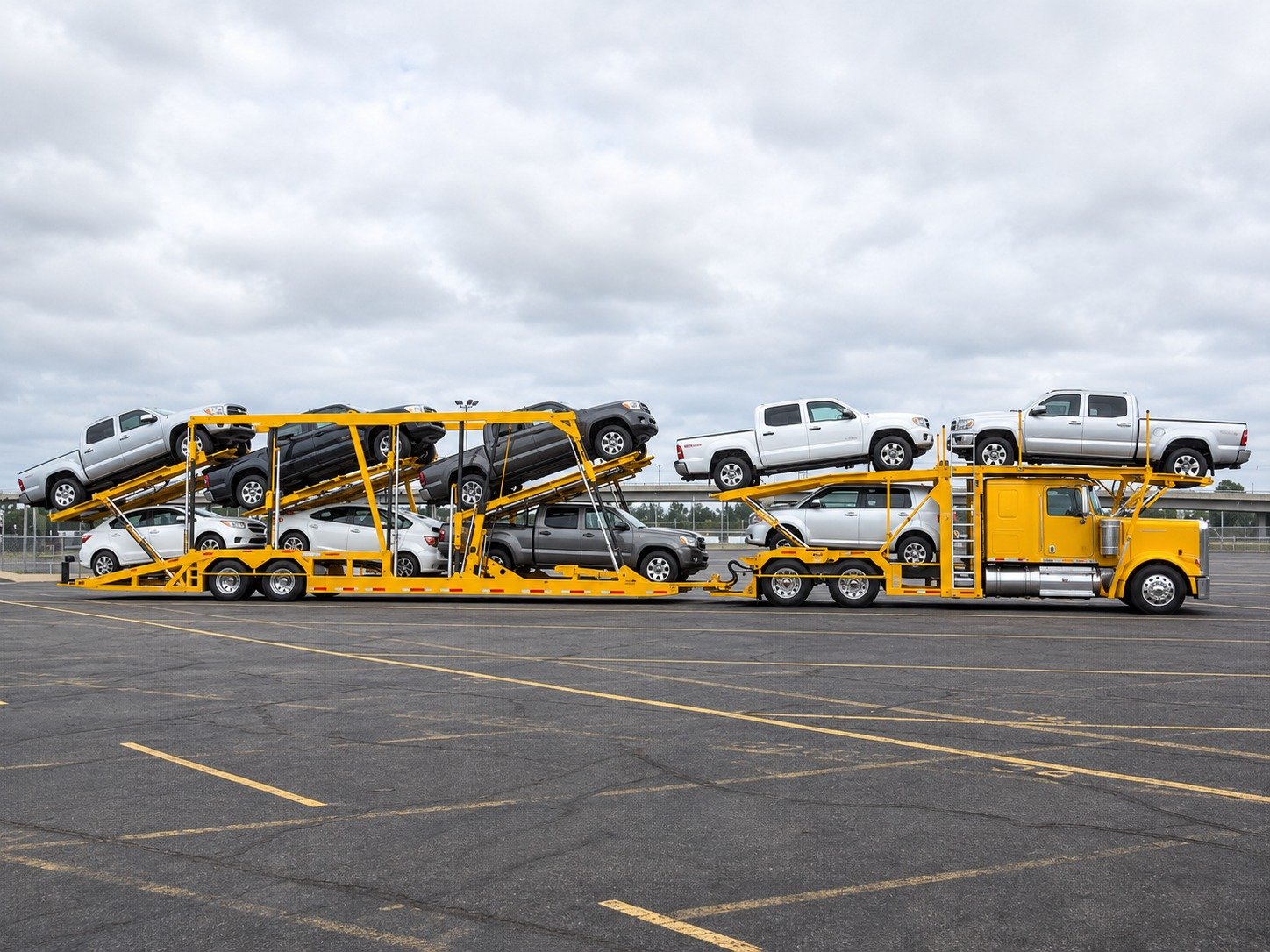
Spanning nearly 5,500 kilometres from the Pacific coast of British Columbia to the Atlantic shores of Nova Scotia and Newfoundland, Canada presents unique logistical realities when moving a vehicle across provinces. Whether you are relocating for work, purchasing a car from an out-of-province dealership, or managing fleet inventory, car shipping by train in Canada offers an established, long-distance alternative to highway hauling.
Understanding how auto rail transport operates—from specialized autorack railcars to regional rail yards and truck handoffs—helps vehicle owners and automotive businesses make informed scheduling and budgeting decisions. At Optixtrace Car Shipping, we coordinate dependable multi-modal vehicle transportation across Canada so you can match the right transport method to your route, vehicle type, and timeline.
What Is Rail Car Shipping in Canada?
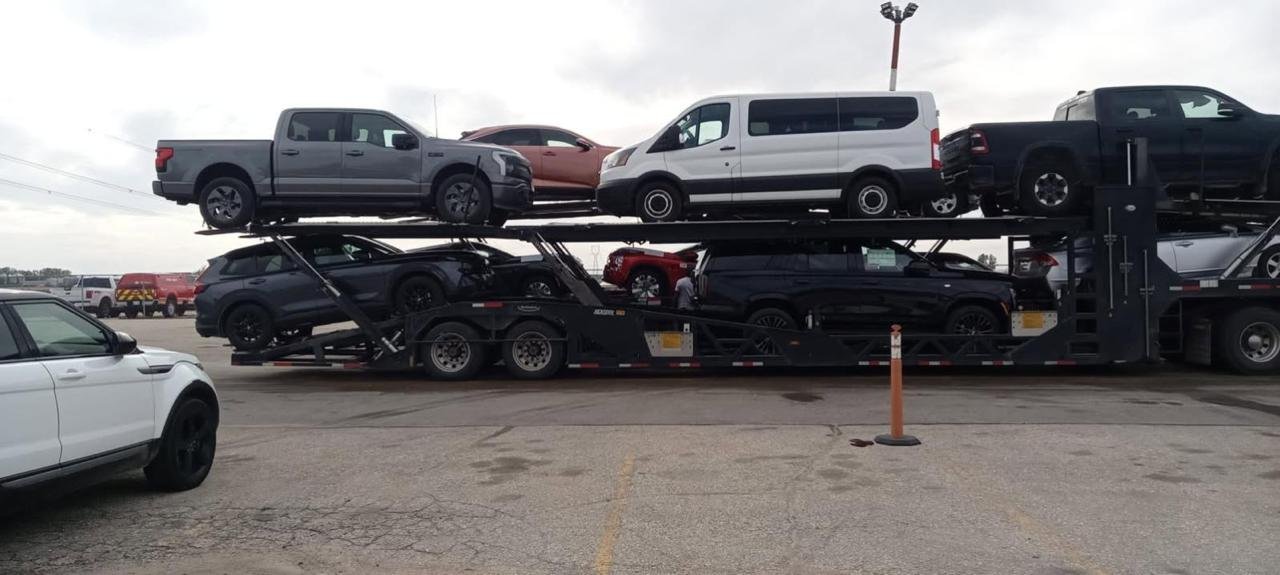
Rail car shipping in Canada—commonly referred to in the industry as auto rail transport or car transportation by rail—is the movement of passenger cars, SUVs, pickup trucks, and commercial fleet vehicles aboard specialized freight trains. Rather than being driven thousands of kilometres along the Trans-Canada Highway, vehicles are secured inside enclosed multi-level railcars known as autoracks and moved across Canada’s transcontinental railway network.
For decades, automakers have relied on rail auto transport services to distribute newly manufactured vehicles from assembly plants and import ports to regional distribution hubs. Today, that same freight rail infrastructure is accessible to individual motorists, relocating families, snowbirds, and dealerships moving pre-owned or retail inventory between major Canadian provinces.
Because freight rail lines connect major metropolitan centres rather than residential neighbourhoods, rail shipping generally operates on a terminal-to-terminal rail transport model—or as part of a combined rail-and-truck logistics solution where an auto carrier truck handles the first and final legs of the journey.
Inside Auto Carrier Railcars (Autoracks)
Modern autoracks are fully enclosed steel railcars engineered specifically for automotive freight. Equipped with perforated metal side panels, solid roofs, and end doors, they shield vehicles from hail, road salt, gravel, and theft while allowing ventilation during transit.
Bi-Level vs. Tri-Level Configurations
Autoracks are built in two main interior layouts: tri-level railcars carry compact and mid-size sedans across three decks, while bi-level railcars offer higher deck clearance to accommodate full-size pickup trucks, vans, and larger SUVs.
How Does Car Shipping by Train Work in Canada?
If you have never arranged vehicle transport by train before, the process is straightforward once you understand how rail yards and automotive haulers coordinate. Unlike passenger train stations, automotive rail compounds are high-security industrial freight facilities operated under strict safety protocols regulated by Transport Canada.
Here is how to ship a car by train across Canada from initial booking to final handover:
Booking & Terminal Assignment
Your transport coordinator confirms your vehicle’s dimensions, operating condition, and origin/destination cities, assigning the nearest active automotive rail terminals and reserving space on an outbound rail schedule.
Origin Terminal Arrival & Inspection
You deliver the vehicle to the designated origin rail yard—or arrange a local truck pickup—where trained yard personnel conduct a detailed walk-around condition inspection and record existing marks on a Bill of Lading.
Securement Inside the Autorack
Certified rail-yard drivers slowly drive the vehicle up portable ramps into the assigned autorack deck and secure all four wheels using heavy-duty wheel chocks and tensioned tie-down straps designed to absorb rail motion.
Cross-Country Rail Haul & Release
Once the train reaches the destination compound, the vehicle is unloaded, inspected again, and staged for terminal pickup—or transferred to a regional car carrier for final doorstep delivery.
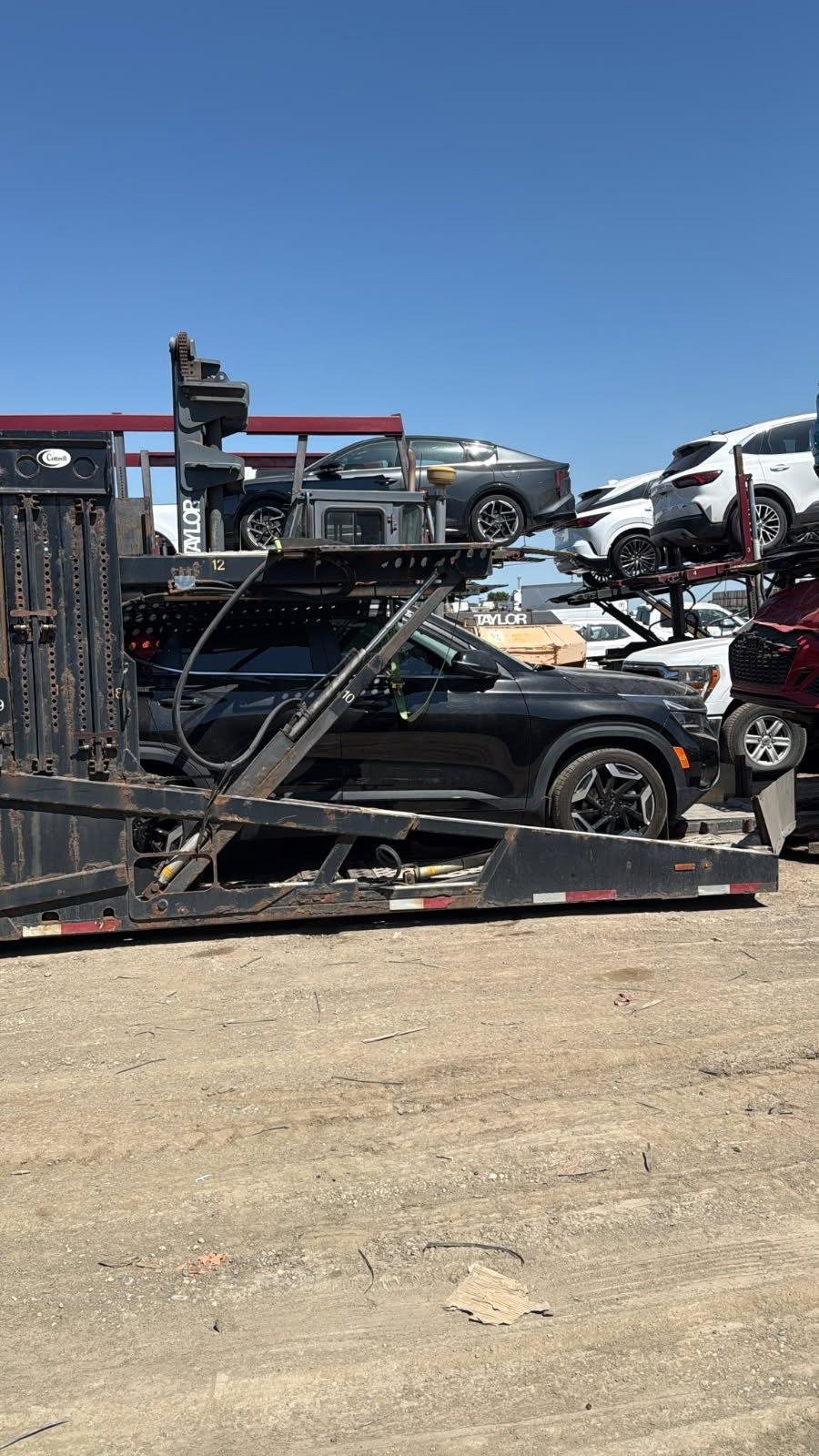
Plan around rail yard operating hours: Unlike residential truck pickups that can often be scheduled on weekends or evenings, Canadian rail transportation terminals operate strictly during weekday business hours and require advance appointment clearance with government-issued identification and proof of ownership.
Canadian Rail Vehicle Transport Corridors and Terminals
Can you transport a vehicle by train in Canada between any two towns? Not directly. Because loading and unloading autoracks requires specialized ramp systems, paved staging compounds, and switching tracks, Canadian rail vehicle transport is concentrated along major east-west freight corridors connecting primary population hubs.
Key rail hubs across Canada typically anchor corridors linking:
- British Columbia & Western Canada: Metro Vancouver (including New Westminster and Annacis Island automotive facilities) serves as the primary western gateway connecting to Calgary and Edmonton in Alberta.
- The Prairies: Major inland yards in Calgary, Edmonton, Saskatoon, Regina, and Winnipeg bridge Western Canada with Central Canadian rail lines.
- Ontario & Quebec: High-volume automotive compounds in the Greater Toronto Area (such as Brampton and Vaughan) and Greater Montreal act as central distribution hubs for cross-country shipments.
- Atlantic Canada: Rail corridors extend eastward into Moncton and Halifax, with onward ferry or truck connections supporting deliveries to Prince Edward Island and Newfoundland and Labrador.
For example, drivers relocating along popular long-haul corridors such as Vancouver to Toronto car shipping or Calgary to Montreal car shipping frequently evaluate rail transport because the distance exceeds 3,500 kilometres across varied terrain and seasonal weather zones. If your origin or destination is outside a major rail hub—such as Kelowna, Victoria, Thunder Bay, or St. John’s—Optixtrace coordinates seamless truck-to-rail connections across our broader Canada vehicle shipping network.
Difference Between Rail and Truck Car Shipping
Choosing between train car shipping and highway transport depends on your route, flexibility, and vehicle specifications. Both methods move thousands of vehicles across Canada each year, yet they differ significantly in routing, access, and handling.
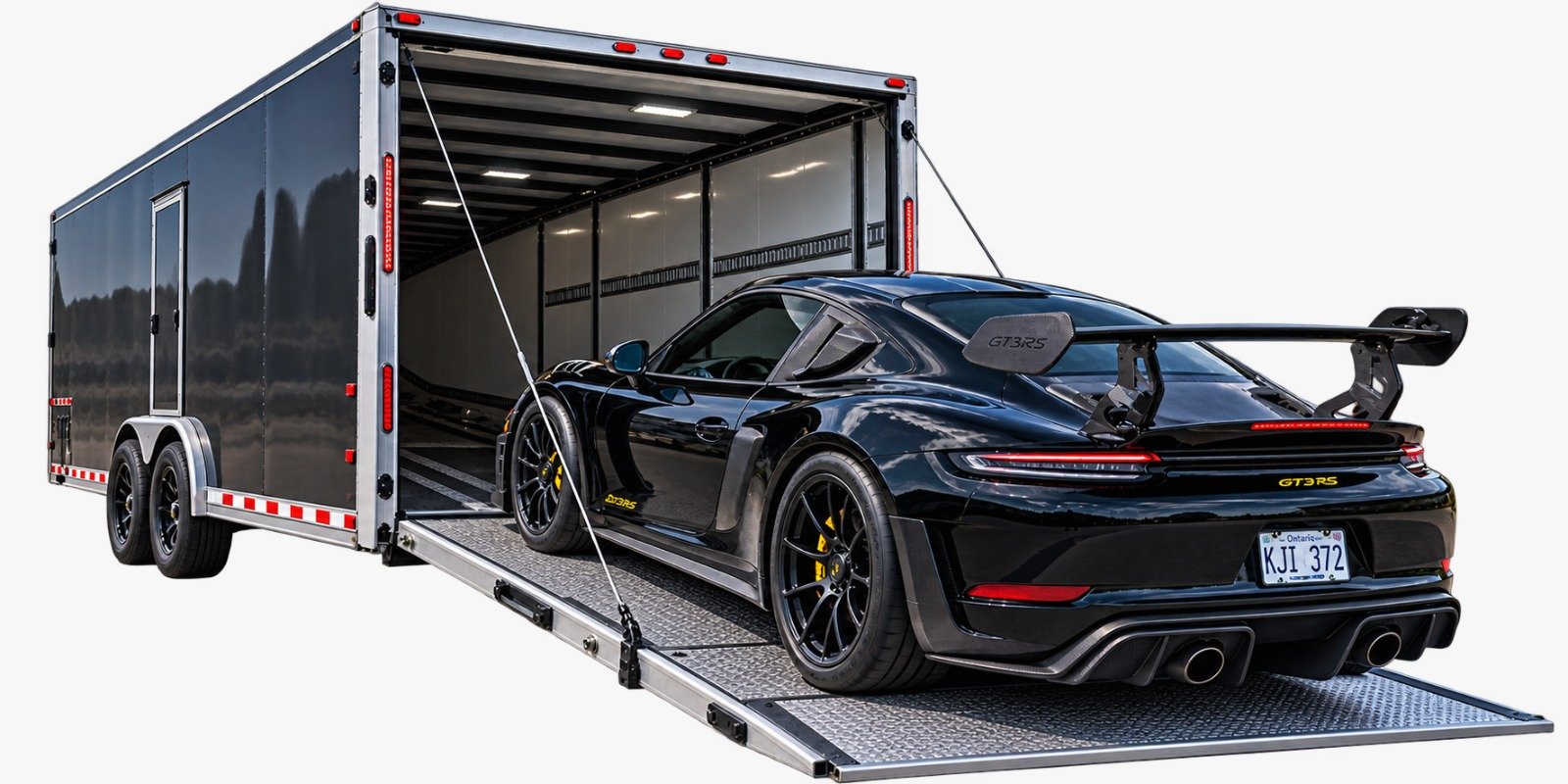
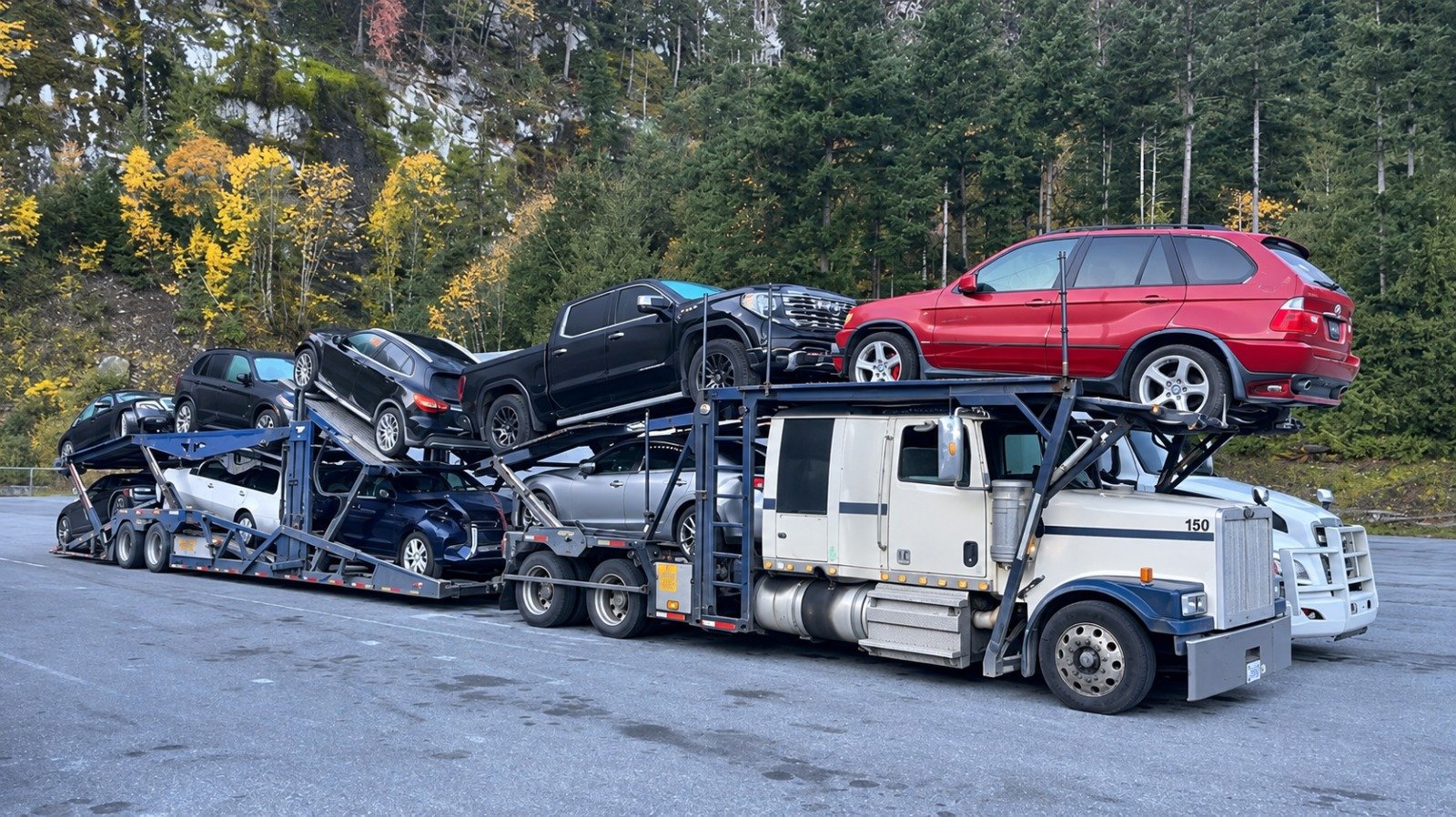
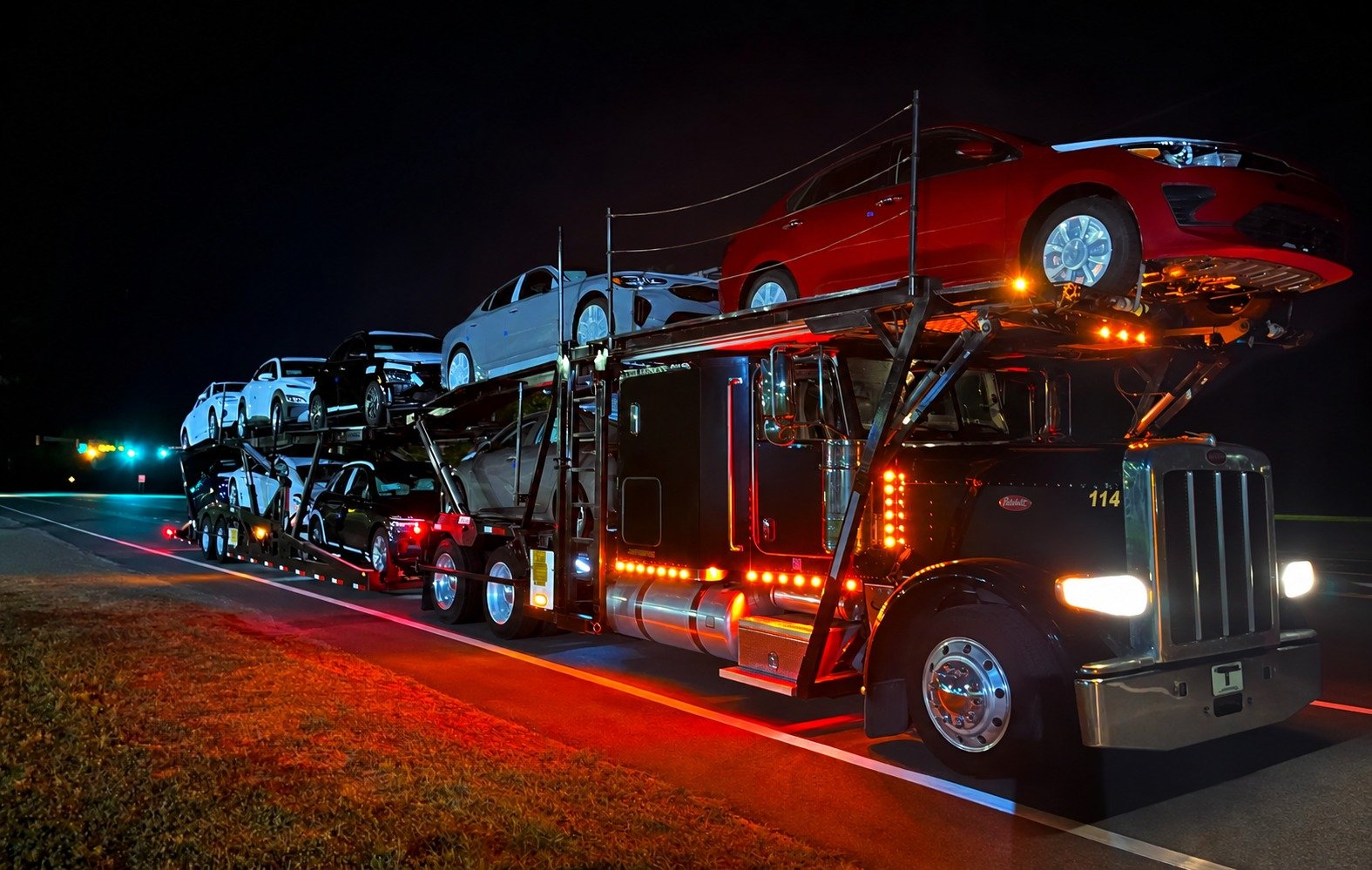
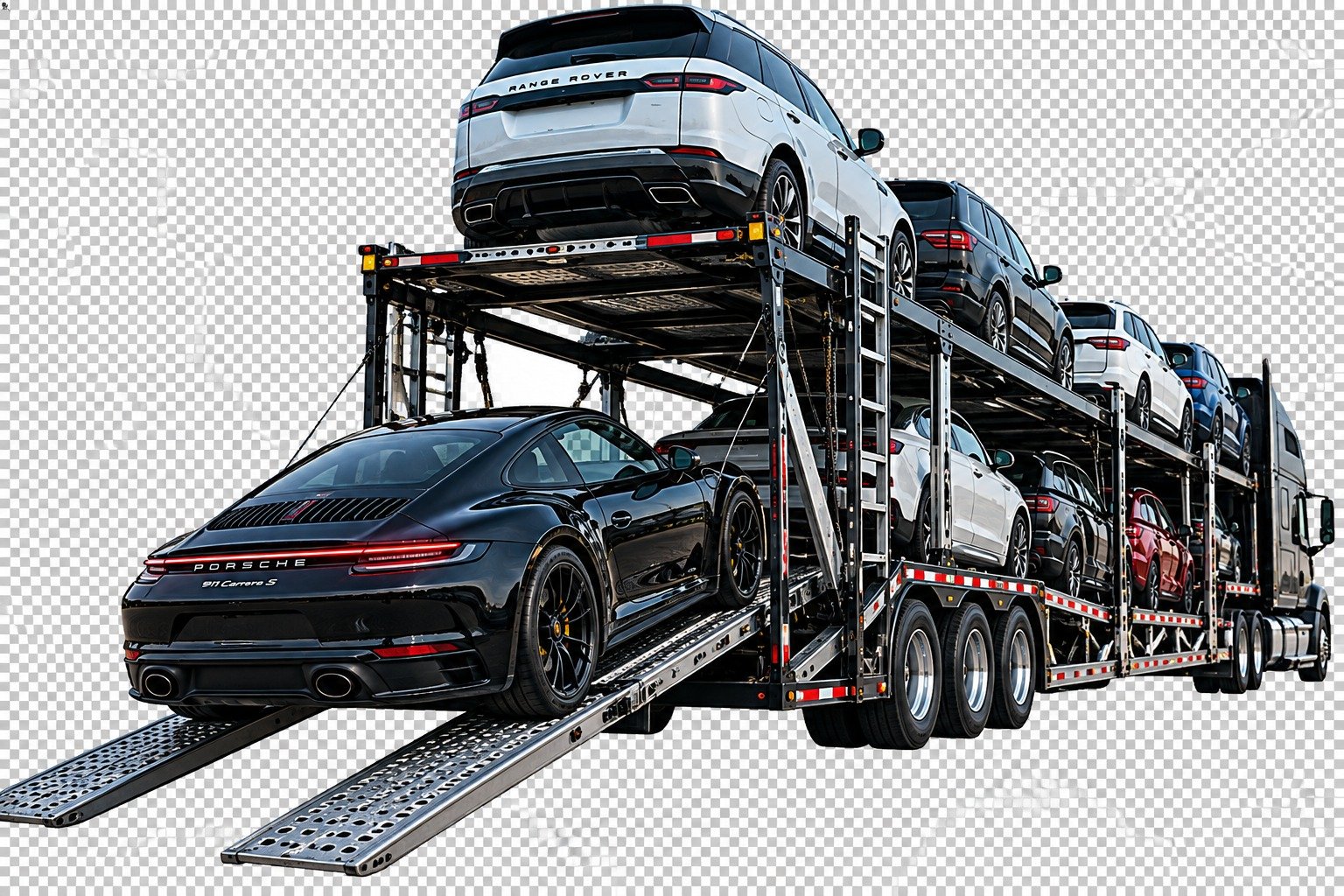
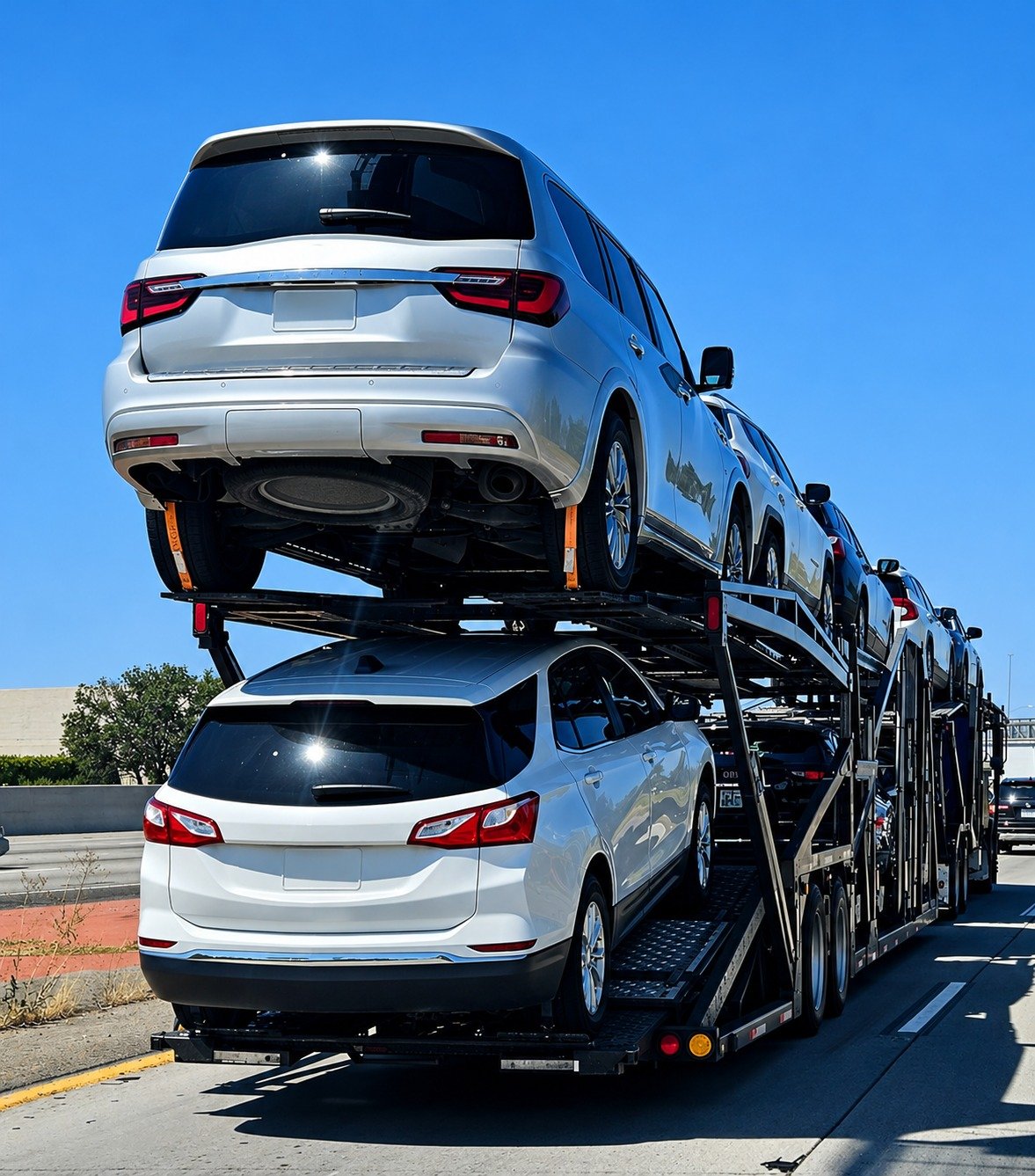
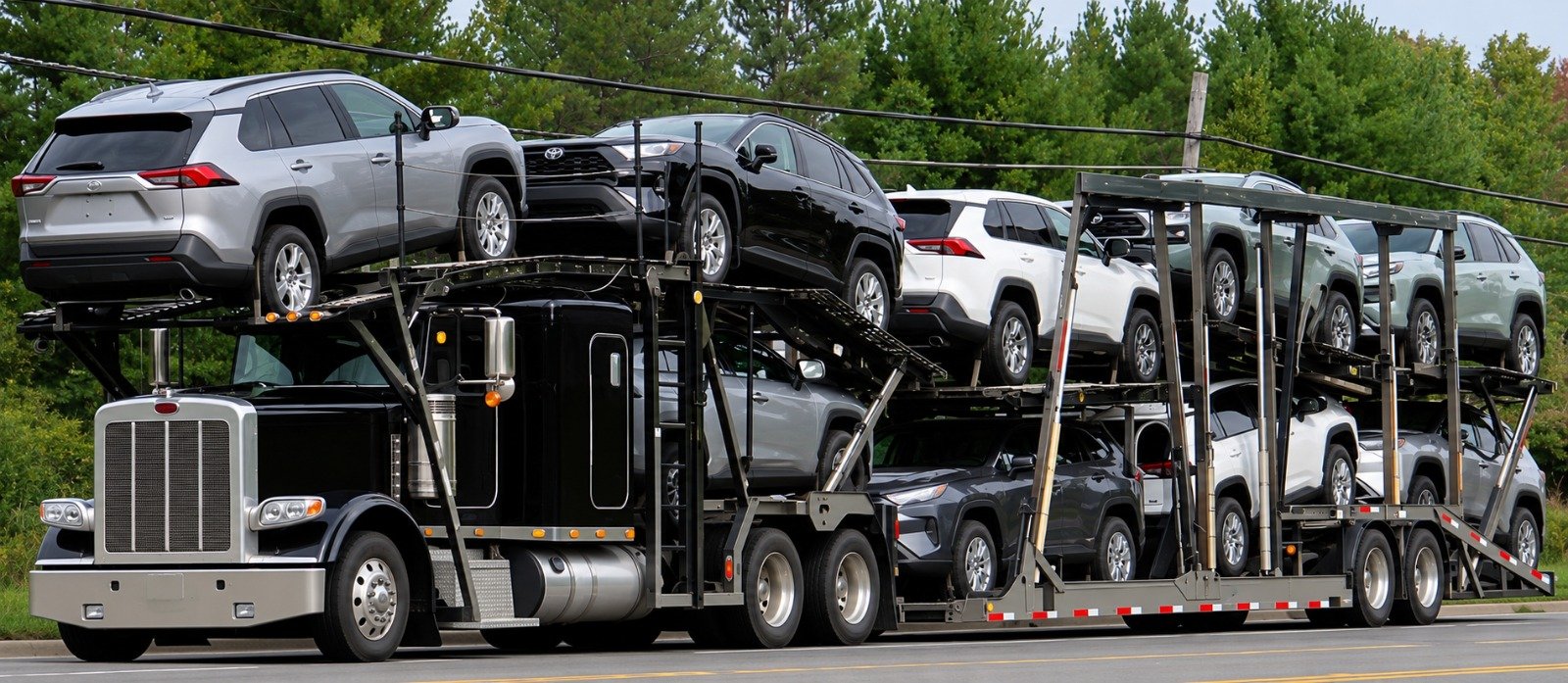
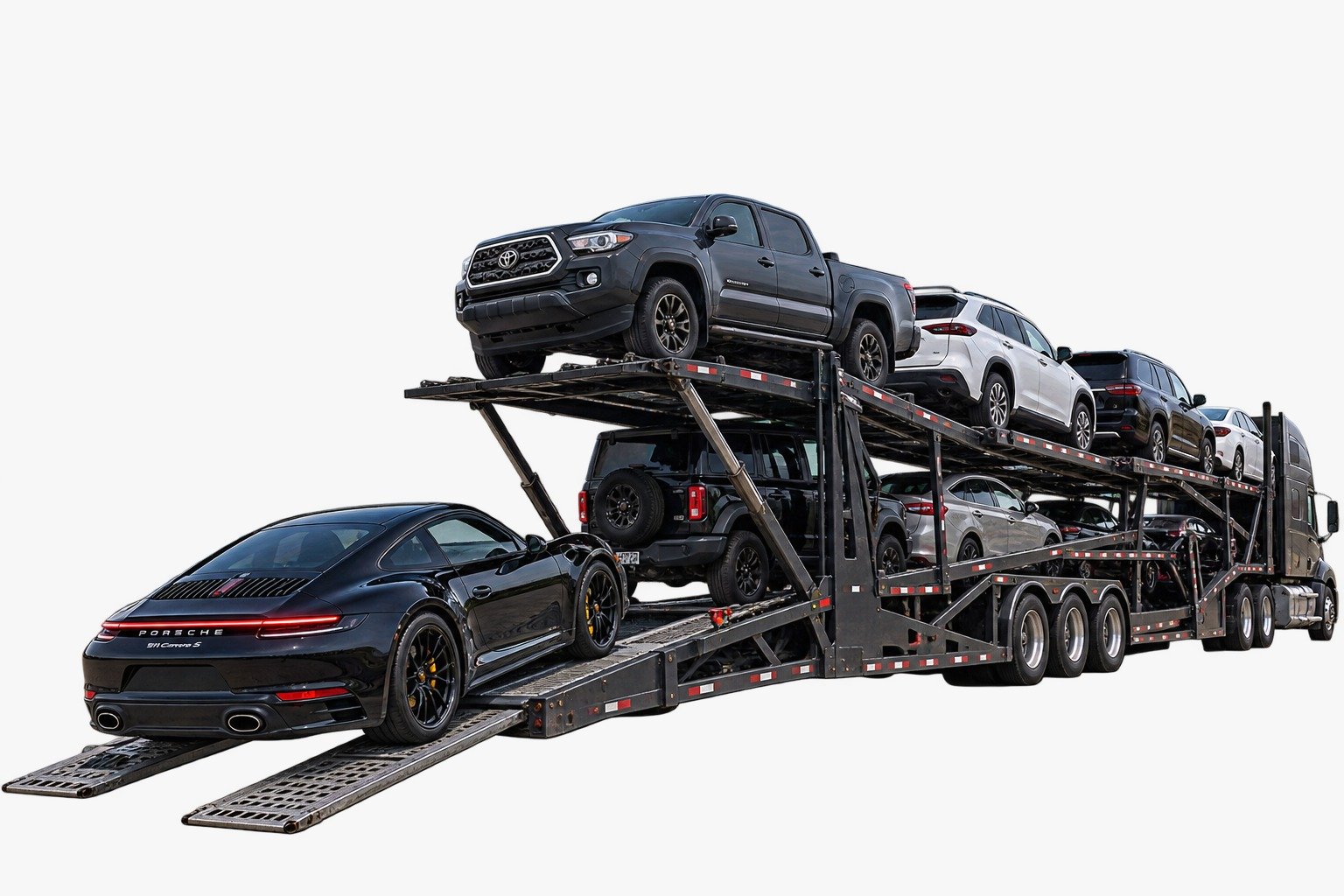
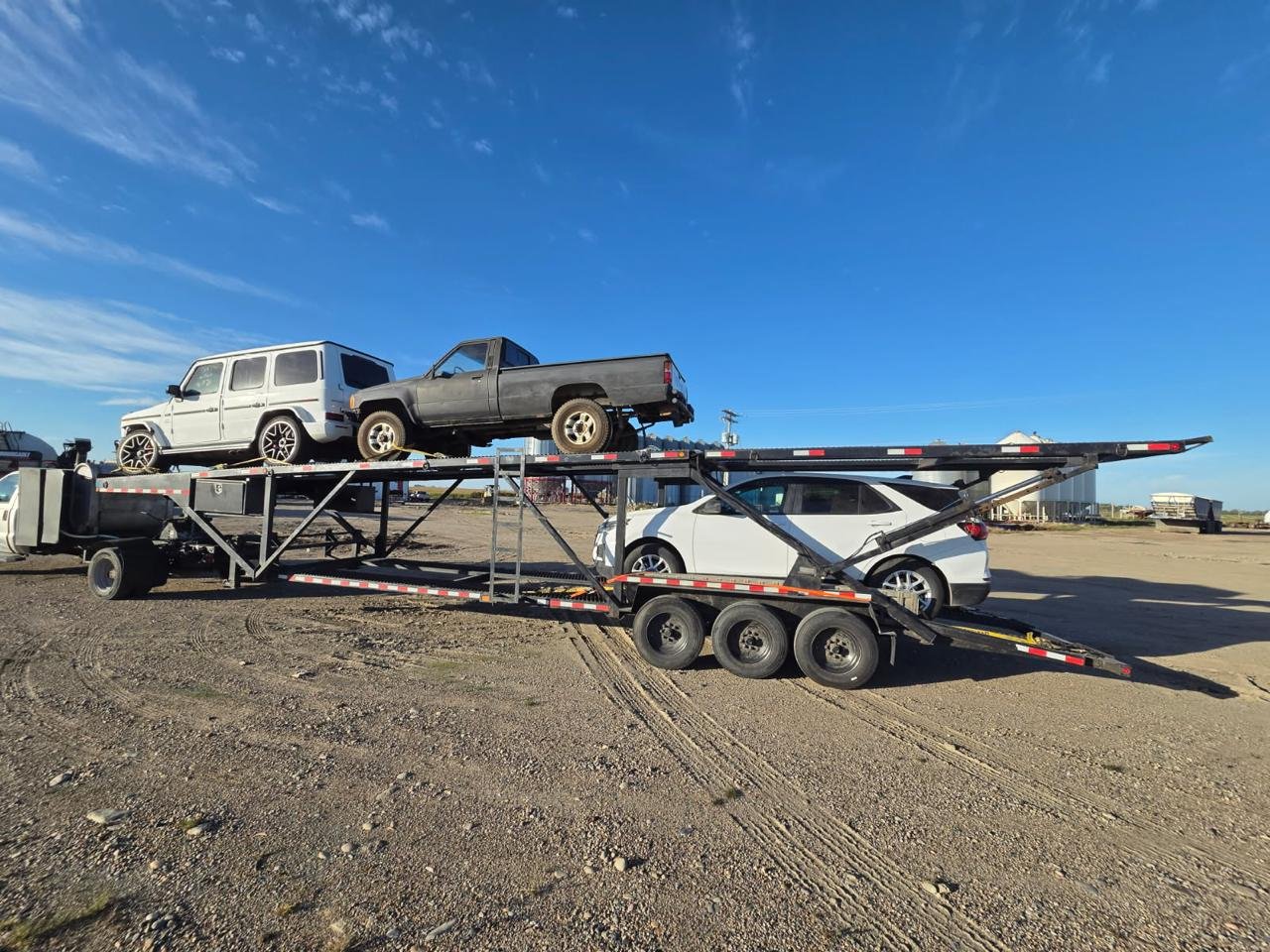
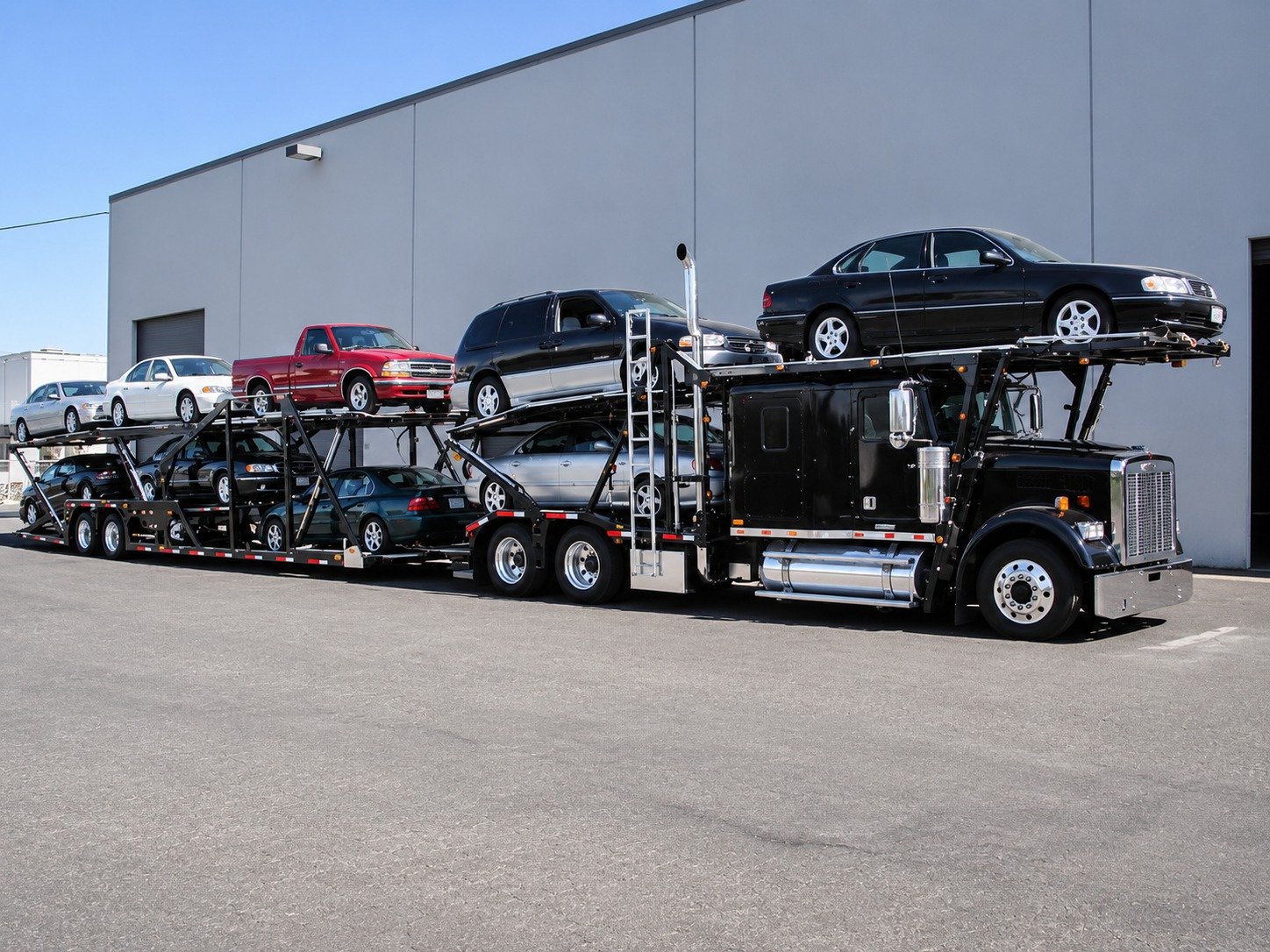
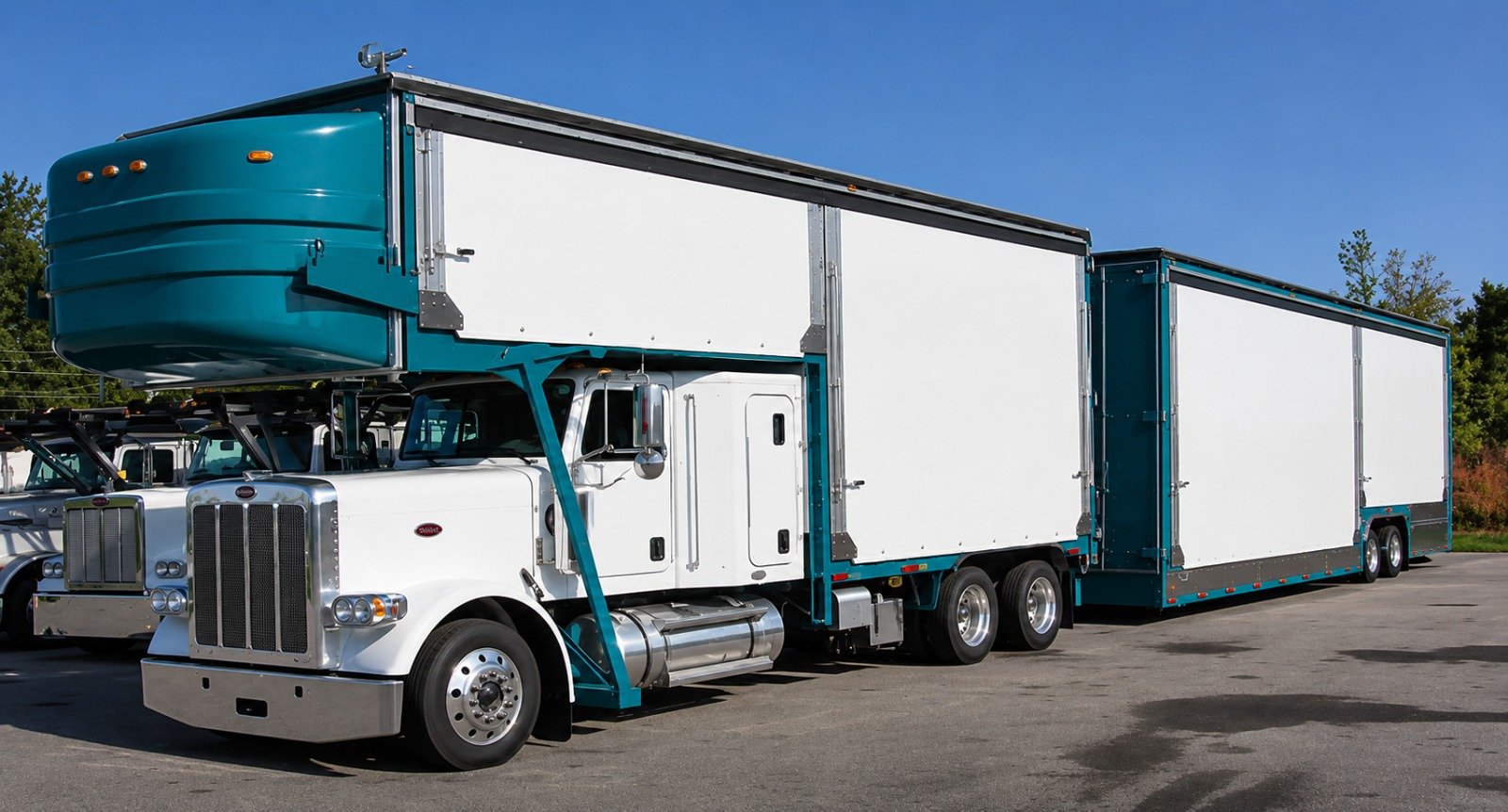
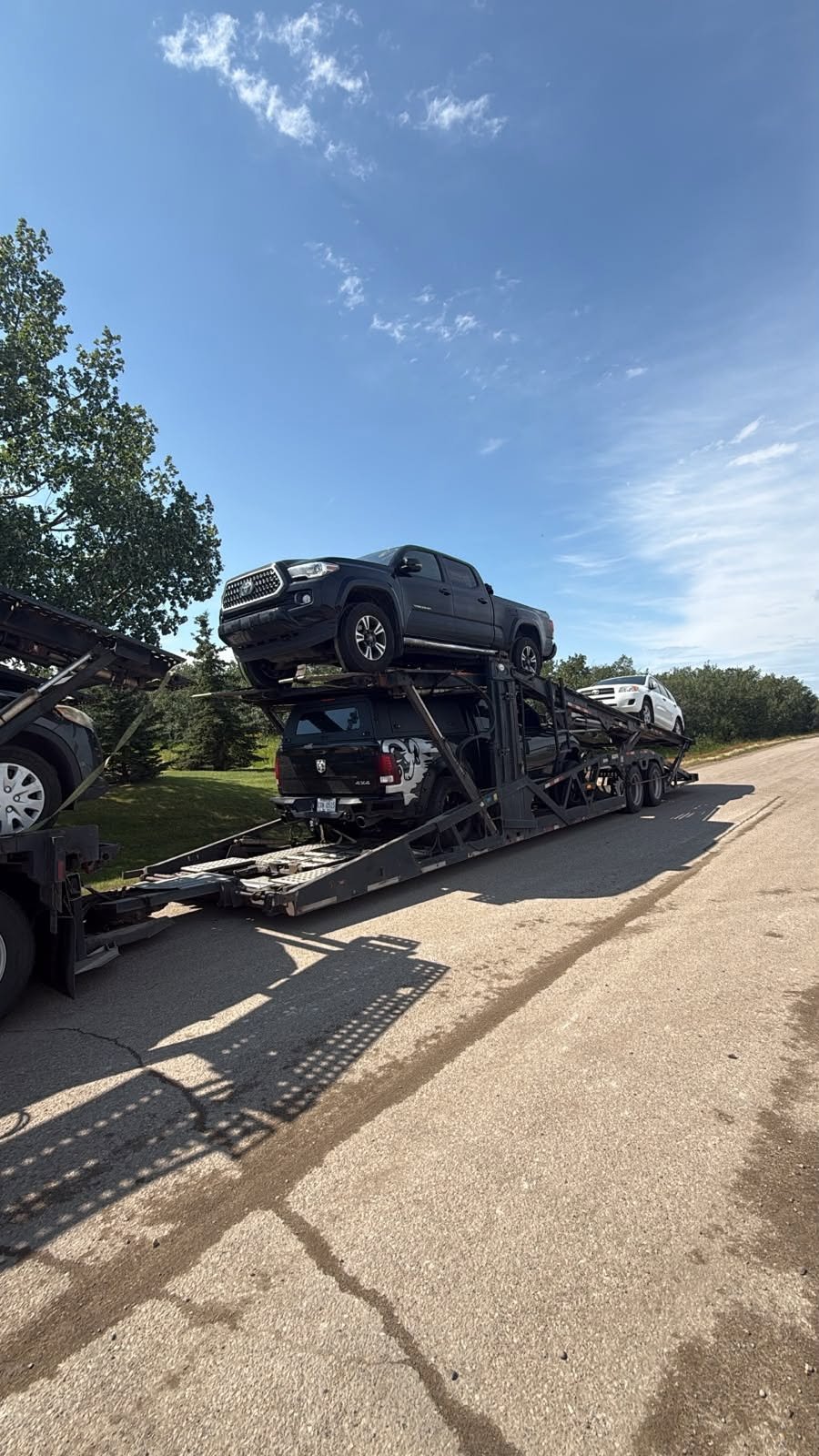
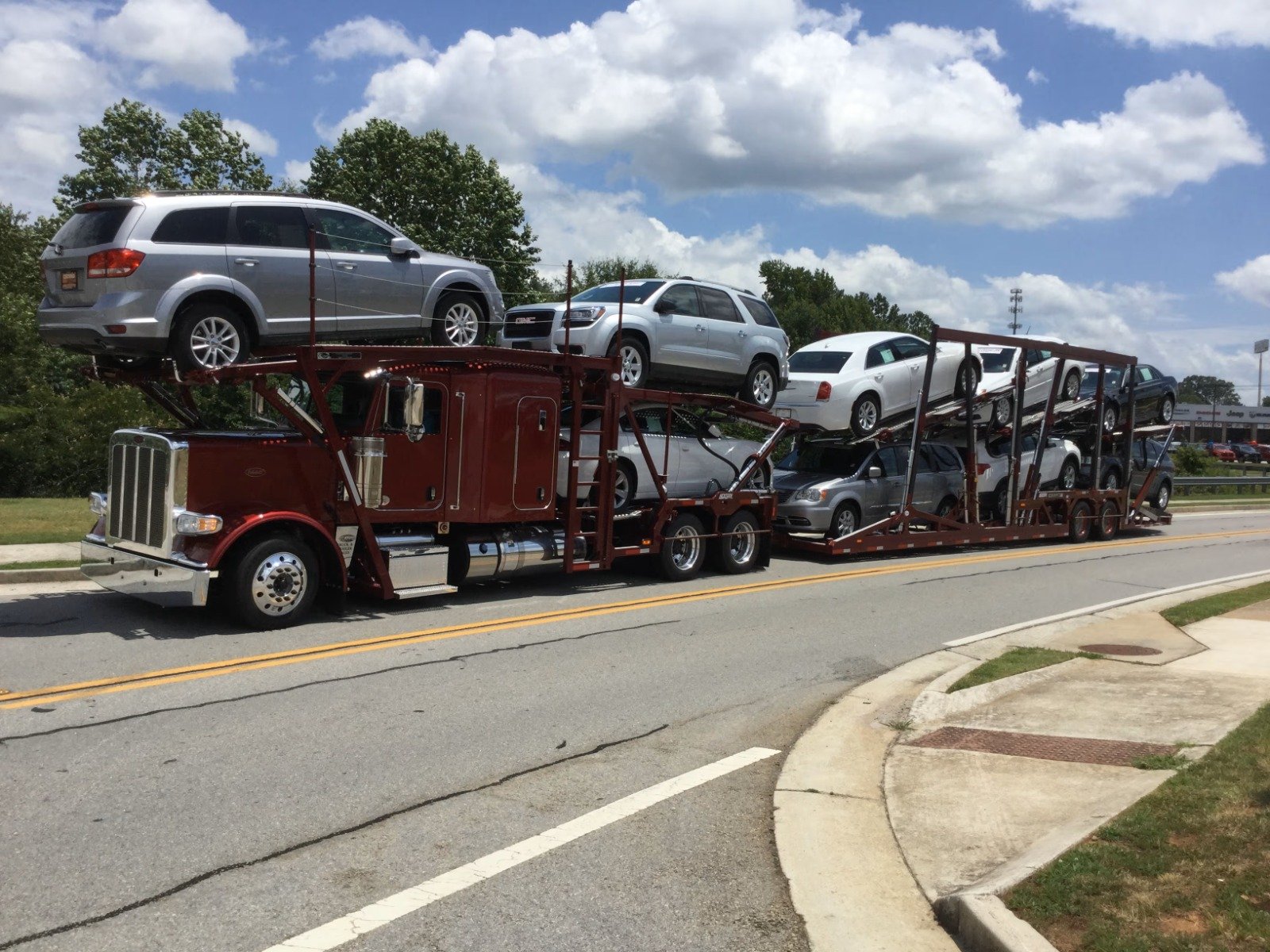
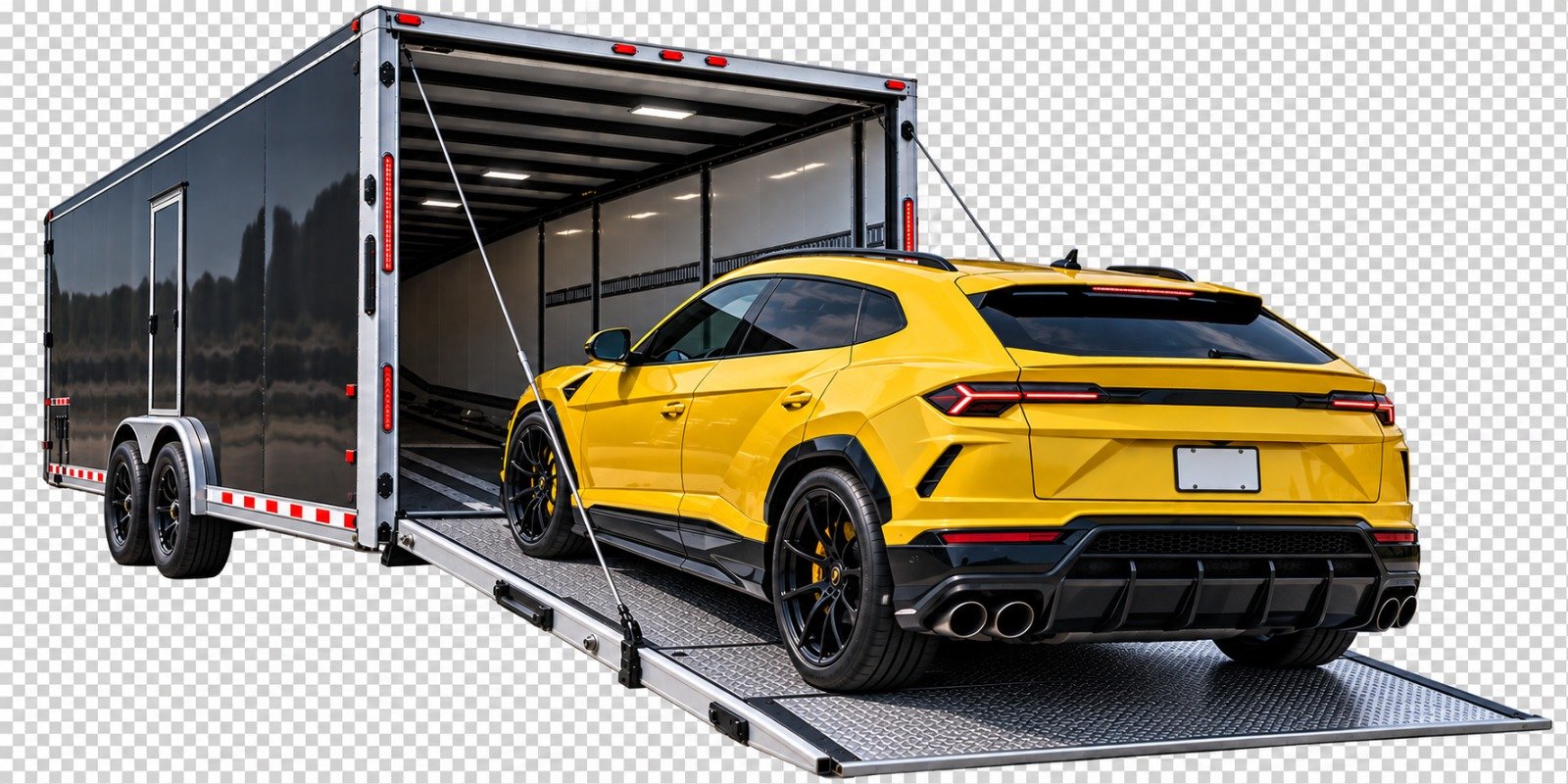
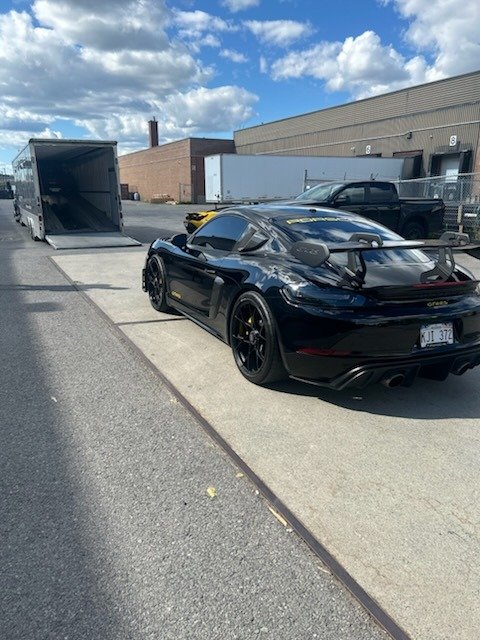
While rail moves vehicles efficiently over long distances between major hubs, highway open auto transport provides direct routing to smaller communities and flexible pickup windows. Meanwhile, owners transporting collector vehicles, exotics, or low-clearance sports cars often prefer enclosed vehicle transport via dedicated air-ride trailers, where drivers can accommodate custom loading angles and specialized soft-strap securement.
| Feature | Rail Car Shipping (Autorack) | Open Truck Car Shipping | Enclosed Truck Shipping |
|---|---|---|---|
| Best For | Long-distance hub-to-hub moves (over 2,000 km) | Standard daily drivers, regional & national routes | Luxury, classic, exotic, and low-clearance cars |
| Weather Exposure | Fully enclosed inside steel autorack railcars | Exposed to outdoor weather and road elements | Fully shielded inside hard-sided or soft-sided trailer |
| Pickup & Delivery | Terminal-to-terminal (or truck-assisted door delivery) | Door-to-door or terminal-to-terminal | Door-to-door with specialized liftgate/ramps |
| Geographic Reach | Major metropolitan rail compounds only | Extensive access to cities, towns, and rural areas | Nationwide access with custom scheduling |
| Vehicle Condition | Must be running, drivable, and stock ground clearance | Running preferred; winch-capable carriers available | Running or non-running vehicles accommodated |
How Much Does It Cost to Ship a Car by Train in Canada—and How Long Does It Take?
Two of the most common questions customers ask when researching shipping a vehicle by train are total cost and expected transit time. Because freight rail pricing and schedules depend on dynamic logistics variables rather than fixed flat rates, understanding what shapes your quote helps you plan accurately.
Key Factors That Influence Rail Shipping Costs
- Distance and Corridor Direction: Cross-country routes between British Columbia and Ontario or Quebec involve longer rail mileage than regional prairie corridors, while seasonal freight demand eastbound versus westbound also affects carrier rates.
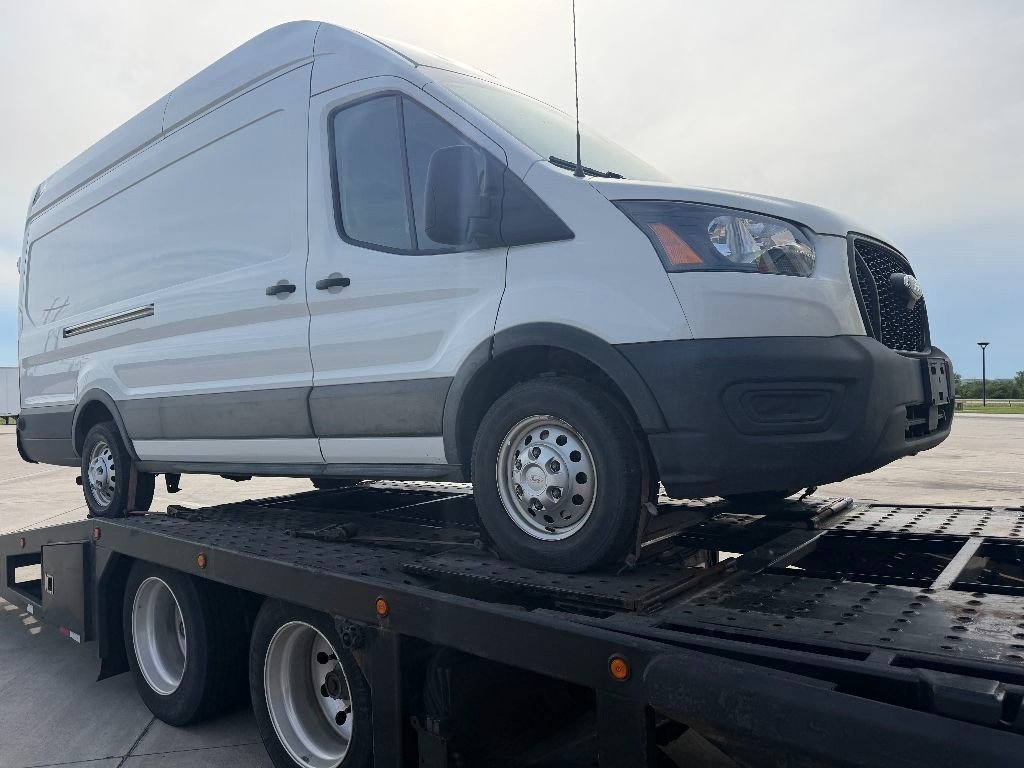
- Vehicle Size and Weight: Compact sedans occupy standard tri-level autorack spaces, whereas full-size pickup trucks, tall SUVs, and cargo vans require bi-level railcars with higher vertical clearance, influencing per-vehicle allocation costs.
- Terminal-to-Terminal vs. Door-to-Door Service: Dropping off and picking up directly at the rail compound keeps costs lower. Adding local carrier pickup or door-to-door vehicle delivery incorporates short-haul trucking fees.
- Seasonal Demand: Spring and late-summer relocation peaks, along with autumn snowbird migration windows, increase demand for available autorack capacity across Canada.
How Long Does Rail Car Shipping Take in Canada?
Freight trains travel continuously across Canada without highway driver hours-of-service stops, yet total door-to-door transit time includes more than train travel alone. Rail cars are assembled into consist blocks at classification yards, routed through scheduled interchange hubs, and staged for unloading upon arrival.
As a general planning guideline, cross-country rail shipments between Western and Central Canada typically take one to three weeks depending on yard staging times, intermodal transfers, and whether local truck delivery is included. Checking seasonal corridor updates via Environment and Climate Change Canada is also helpful during winter months, when severe snowstorms or mountain pass conditions can temporarily affect rail and highway schedules alike.
Is Shipping a Car by Train Safe in Canada? Preparation Checklist
Yes—shipping a car by train in Canada is widely regarded as a secure method for long-distance vehicle transport. Unlike open highway trailers where vehicles are exposed to flying road debris, stone chips, and highway traffic, enclosed autoracks keep vehicles locked inside steel compartments from origin yard to destination terminal.
Rail compounds are fenced, monitored facilities with controlled gate access, and vehicles are secured at the tires rather than by suspension components, allowing the vehicle’s own suspension to absorb normal rail movement safely. For peace of mind, vehicle owners should also review provincial auto insurance coverage or carrier cargo policies—resources from the Insurance Bureau of Canada (IBC) and Canadian Automobile Association (CAA) offer helpful guidance on verifying protection during interprovincial moves.
Essential Steps to Prepare Your Vehicle for Rail Transport
- Wash the Exterior: Clean dirt and road grime off your vehicle prior to drop-off so rail yard inspectors can accurately document existing scratches, dents, or paint chips.
- Remove Personal Belongings: Canadian rail terminals strictly prohibit personal items, loose luggage, or hazardous materials inside the vehicle due to weight rules, security inspections, and liability regulations.
- Maintain Quarter-Tank Fuel Level: Leave roughly one-quarter tank of fuel—enough for yard driving and loading without adding unnecessary weight.
- Check Fluid Leaks, Battery, and Tire Pressure: Ensure the vehicle starts reliably, has no active fluid leaks, and has properly inflated tires for smooth ramp loading.
- Retract Antennas and Fold Mirrors: Lower or remove exterior antennas, secure roof racks, and fold in side mirrors to maximize clearance inside multi-level railcars.
- Disable Aftermarket Alarms: Deactivate sensitive anti-theft alarms so train vibrations do not trigger the horn and drain the battery during transit.

Frequently Asked Questions About Rail Car Shipping in Canada
Below are answers to common questions from individuals, dealerships, and businesses planning car shipping by train in Canada.
No. Canadian automotive rail terminals enforce strict zero-personal-items policies. Any loose boxes, suitcases, electronics, or household goods left inside the cabin or trunk can cause the vehicle to be rejected at the rail gate, as rail freight insurance only covers the vehicle itself and security rules prohibit unmanifested cargo.
Yes. Vehicles shipped via autorack railcars must start, steer, brake, and drive under their own power so certified rail yard operators can safely drive them up narrow loading ramps into the railcar. If you need to ship a non-running or inoperable vehicle, an open or enclosed carrier truck equipped with a winch is the appropriate solution.
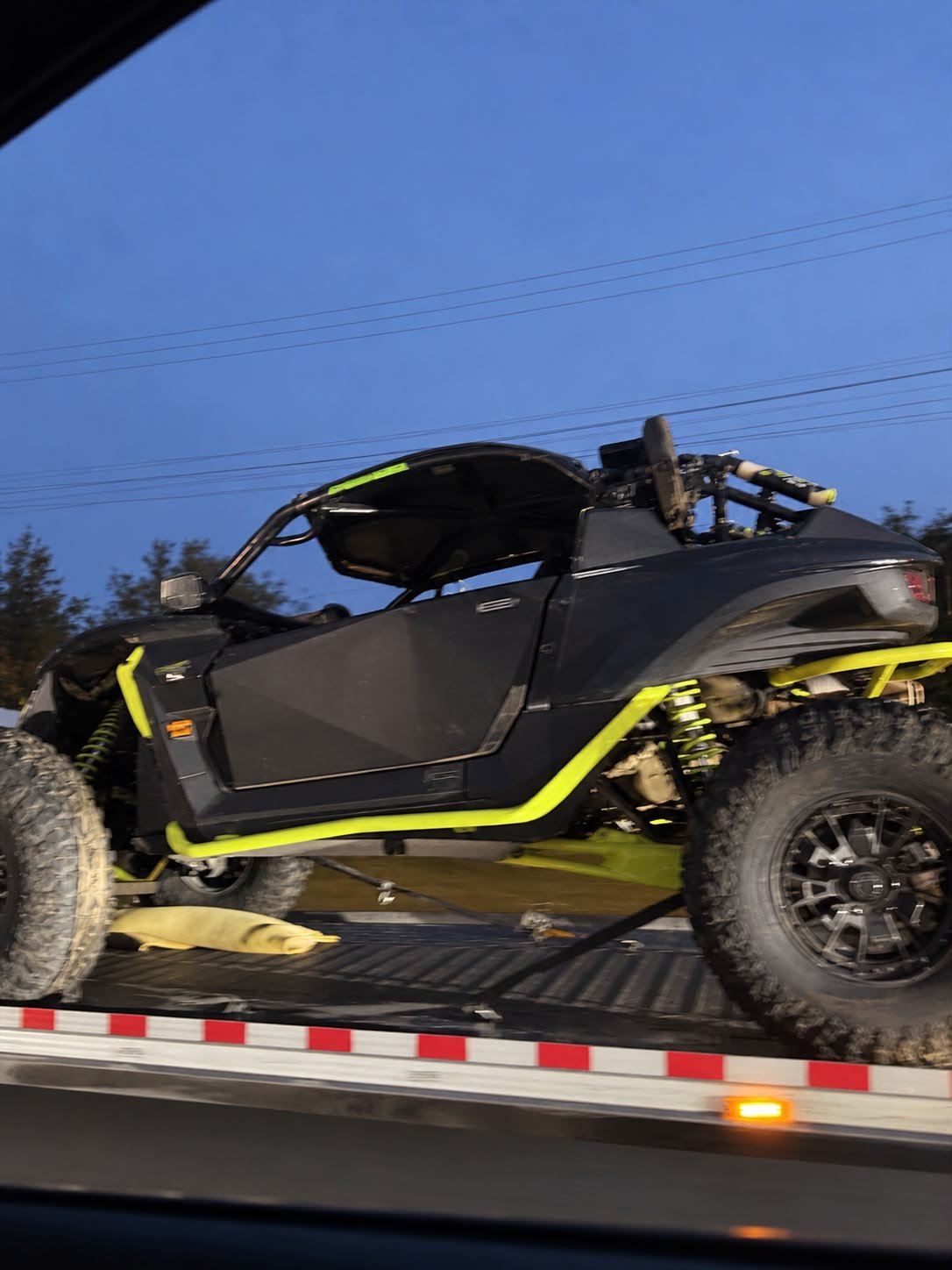
Standard stock pickup trucks and SUVs fit inside bi-level autorack railcars, provided they stay within maximum height, width, and weight limits. However, lifted trucks, vehicles with rooftop cargo boxes, and low-clearance sports cars with less than 5 to 6 inches of ground clearance generally cannot clear rail ramp angles and should be shipped via specialized highway carriers.
Yes. Many customers choose a combined intermodal service where a regional auto carrier picks up the vehicle from a home or dealership, delivers it to the origin rail terminal, and coordinates final delivery at the destination city. You can explore available Optixtrace vehicle shipping services to compare terminal-to-terminal and door-to-door options.
You will typically need valid government-issued photo identification, a copy of the vehicle registration or proof of ownership, your booking release number, and a full set of keys (including wheel-lock keys if installed). If someone else is picking up the vehicle on your behalf, advance written authorization is required.
Making the Right Choice for Cross-Canada Vehicle Transport
Car shipping by train in Canada bridges vast interprovincial distances with enclosed autorack protection, established transcontinental rail corridors, and predictable terminal-to-terminal logistics. Whether rail transport alone fits your schedule or a coordinated rail-and-truck solution makes more sense for your location and vehicle specs, working with an experienced logistics coordinator ensures smooth inspections, clear documentation, and reliable delivery from coast to coast.
Looking to Ship Your Vehicle Across Canada?
Tell us your origin, destination, and vehicle details—Optixtrace Car Shipping will coordinate the most efficient rail, open, or enclosed transport solution for your timeline and budget.
Get a Free Car Shipping Quote