Moving a vehicle across Canada involves vast distances, diverse terrain, and rapidly changing seasonal weather. When comparing car shipping by rail vs truck, most vehicle owners, dealerships, and relocating families quickly realize that the right choice depends on route geography, delivery flexibility, vehicle type, and scheduling priorities.
Both rail auto racks and highway car carrier trucks play vital roles in moving passenger vehicles between British Columbia, the Prairies, Ontario, Quebec, and Atlantic Canada. Understanding how each method operates—from terminal handoffs to highway routing—helps you select a shipping plan that protects your vehicle and aligns with your timeline.

How Car Shipping Methods in Canada Work
Canada's transportation network relies heavily on two primary long-distance modes for moving passenger cars, SUVs, and light trucks: railway auto carriers and commercial highway transport trailers. While both move vehicles safely from one province to another, the infrastructure behind them differs considerably.
Vehicle Transportation by Rail
Vehicle transportation by rail uses specialized multi-level railway cars—commonly called autoracks—that travel along Canada's major transcontinental rail corridors. Unlike flatbed freight, modern autoracks are enclosed steel railcars designed to shield vehicles from airborne debris, gravel, and direct weather exposure while in transit between major rail yards.
Because trains only operate between designated rail terminals in major metropolitan hubs (such as Vancouver, Calgary, Edmonton, Winnipeg, Toronto, and Montreal), automotive rail transportation is almost always structured as terminal-to-terminal rail vehicle transport. In many shipments, short-haul trucks still handle the "first mile" and "last mile" transfers between local drop-off facilities and the rail yard.
Vehicle Transportation by Truck
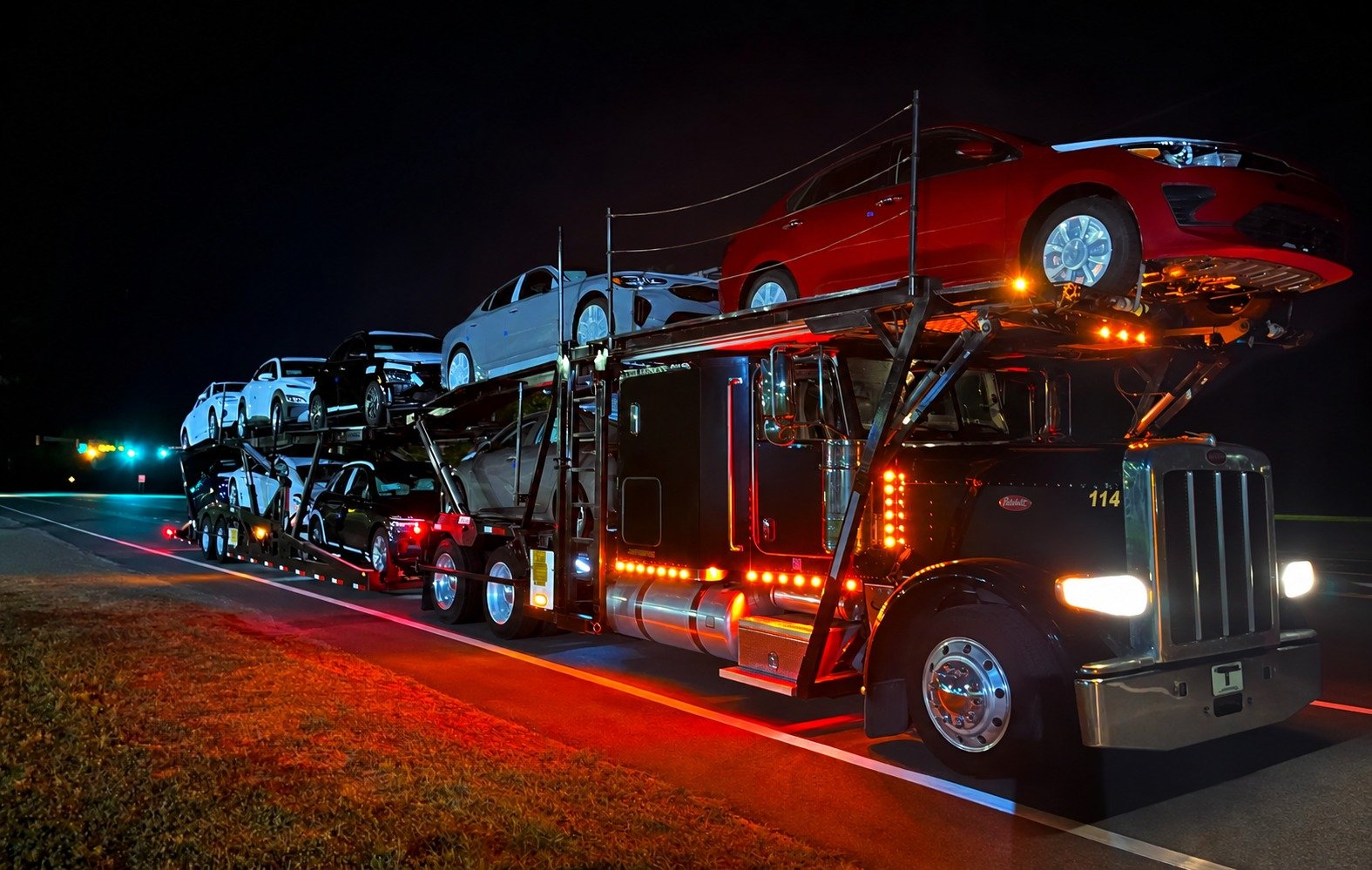
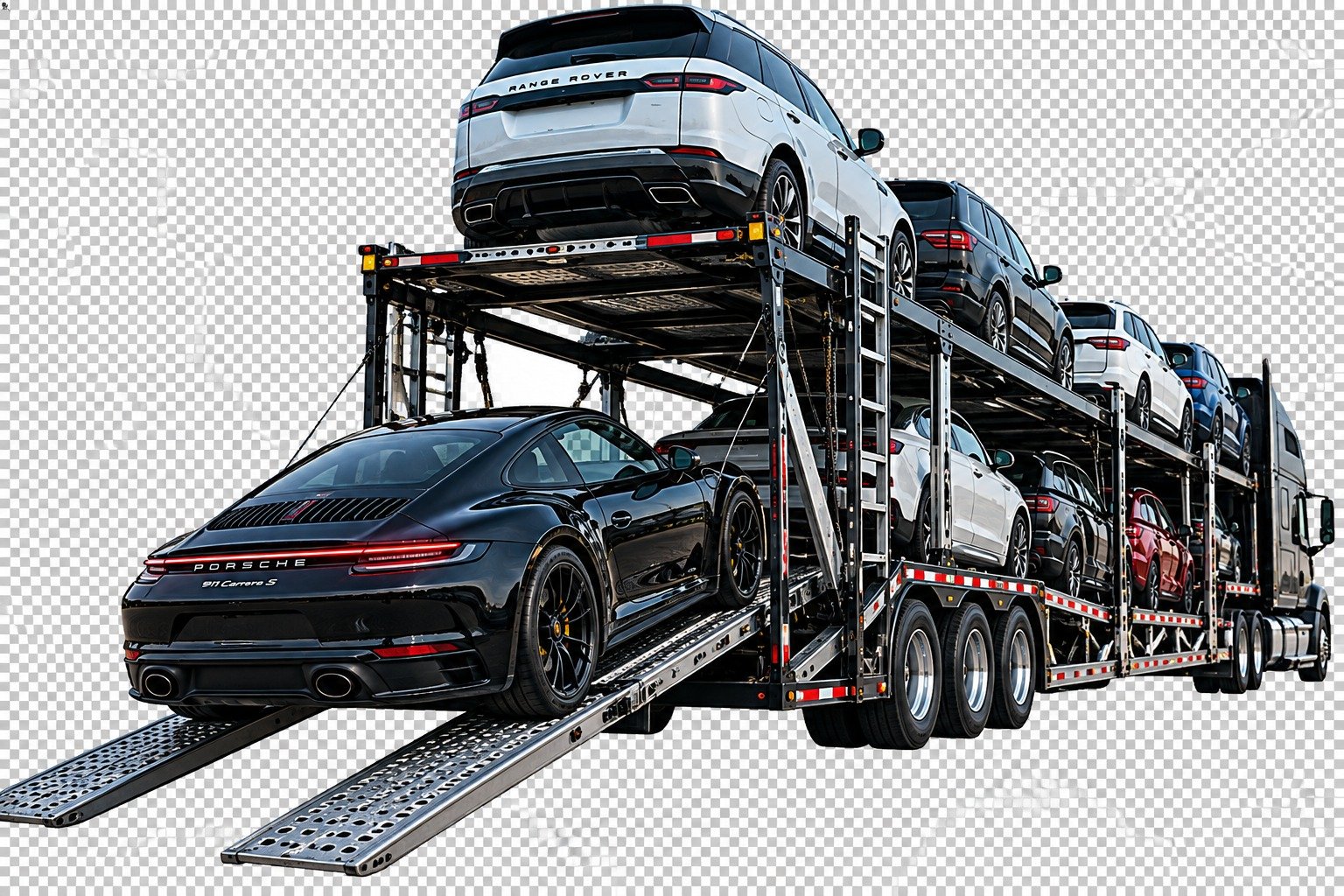
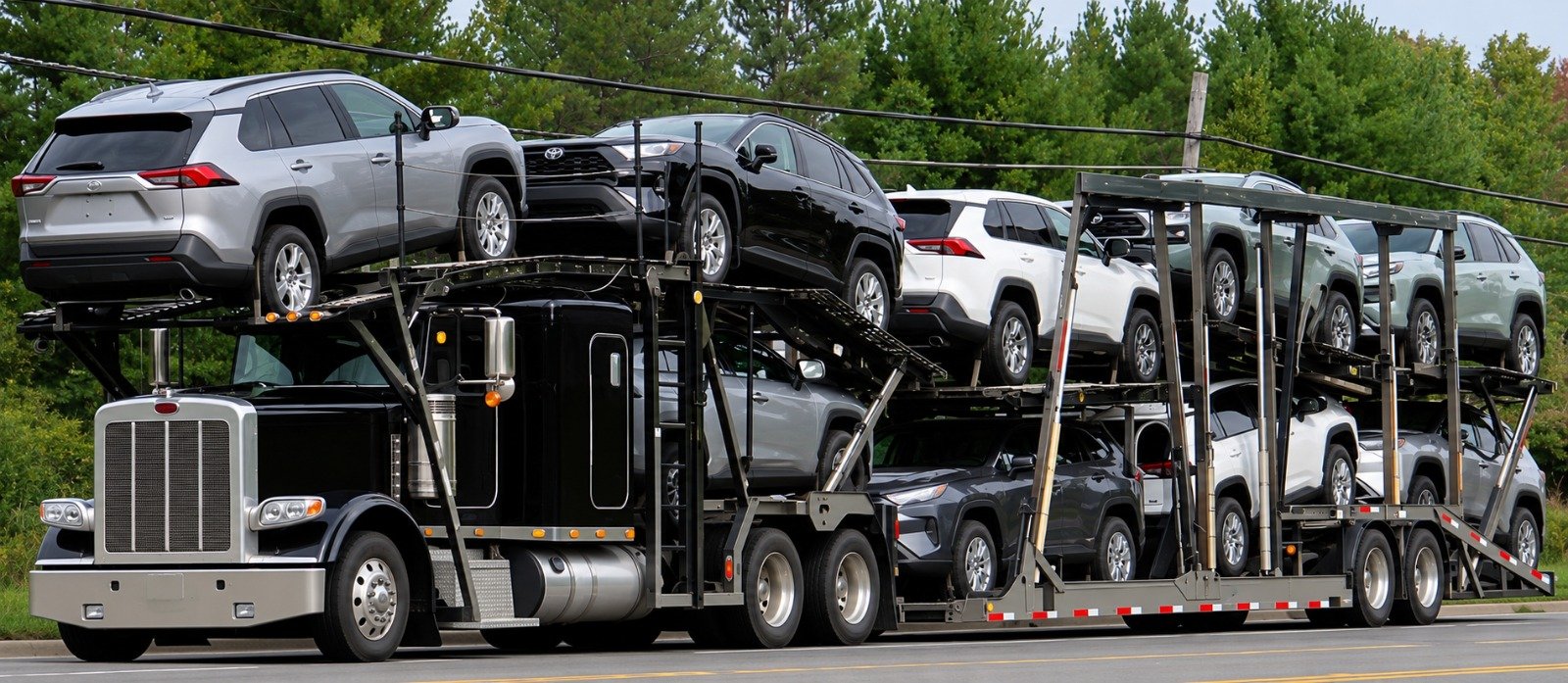
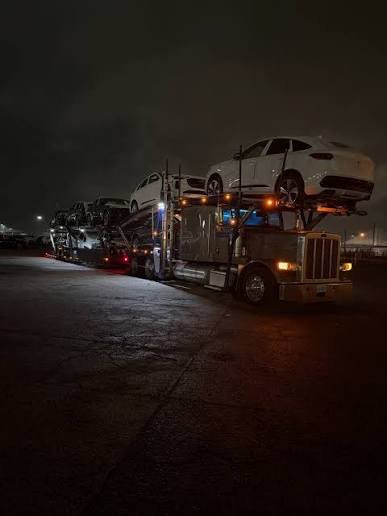
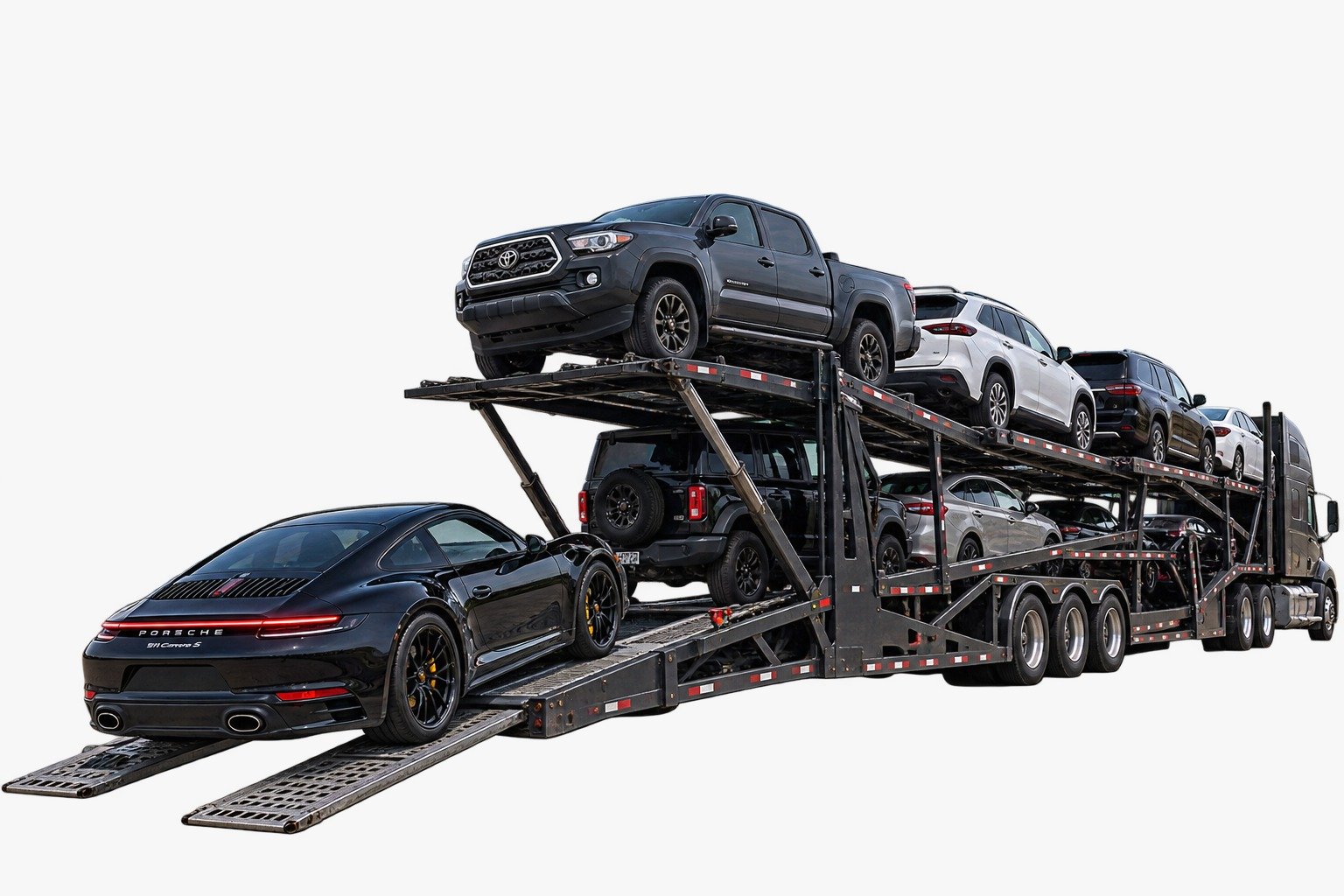
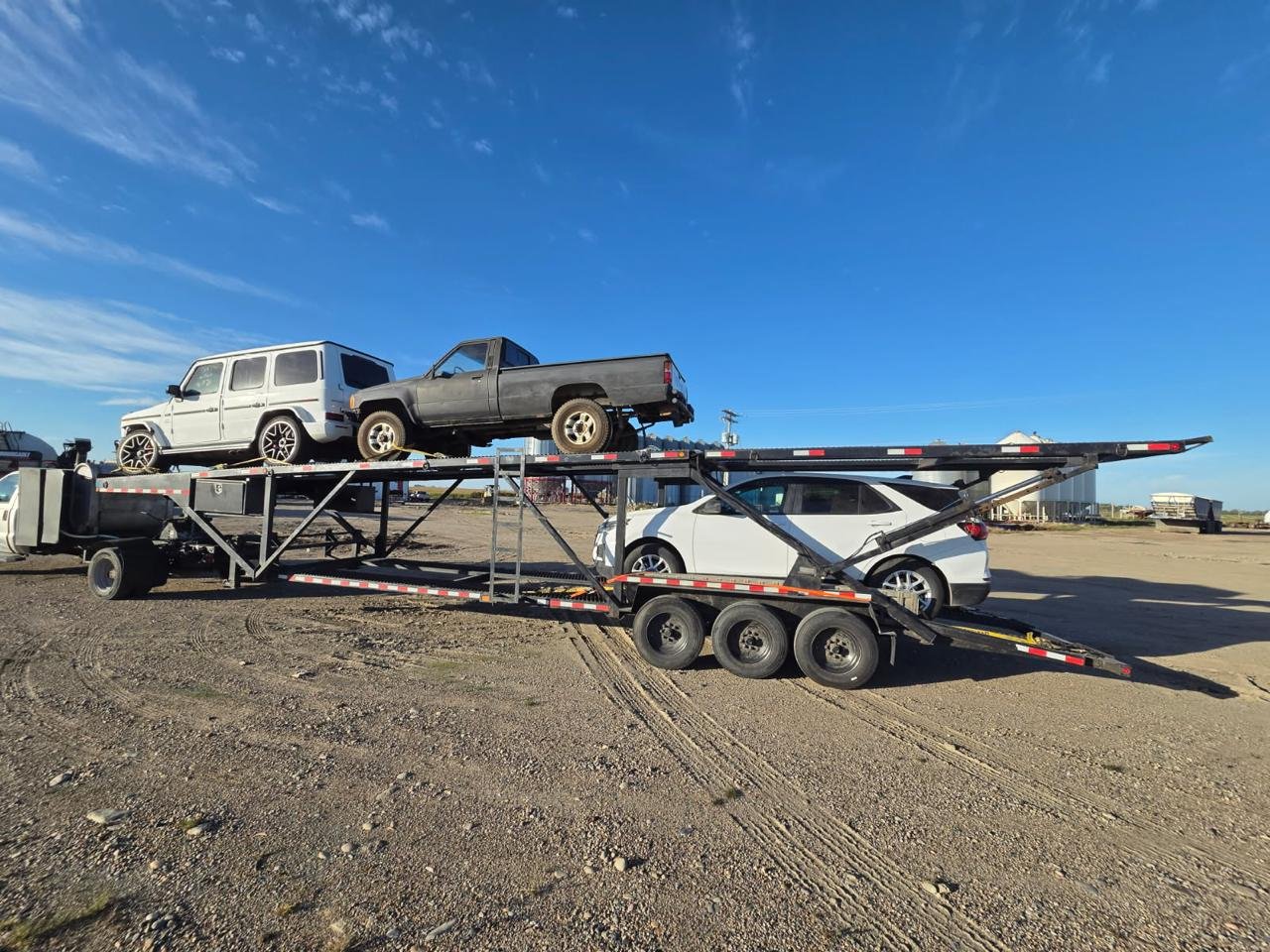
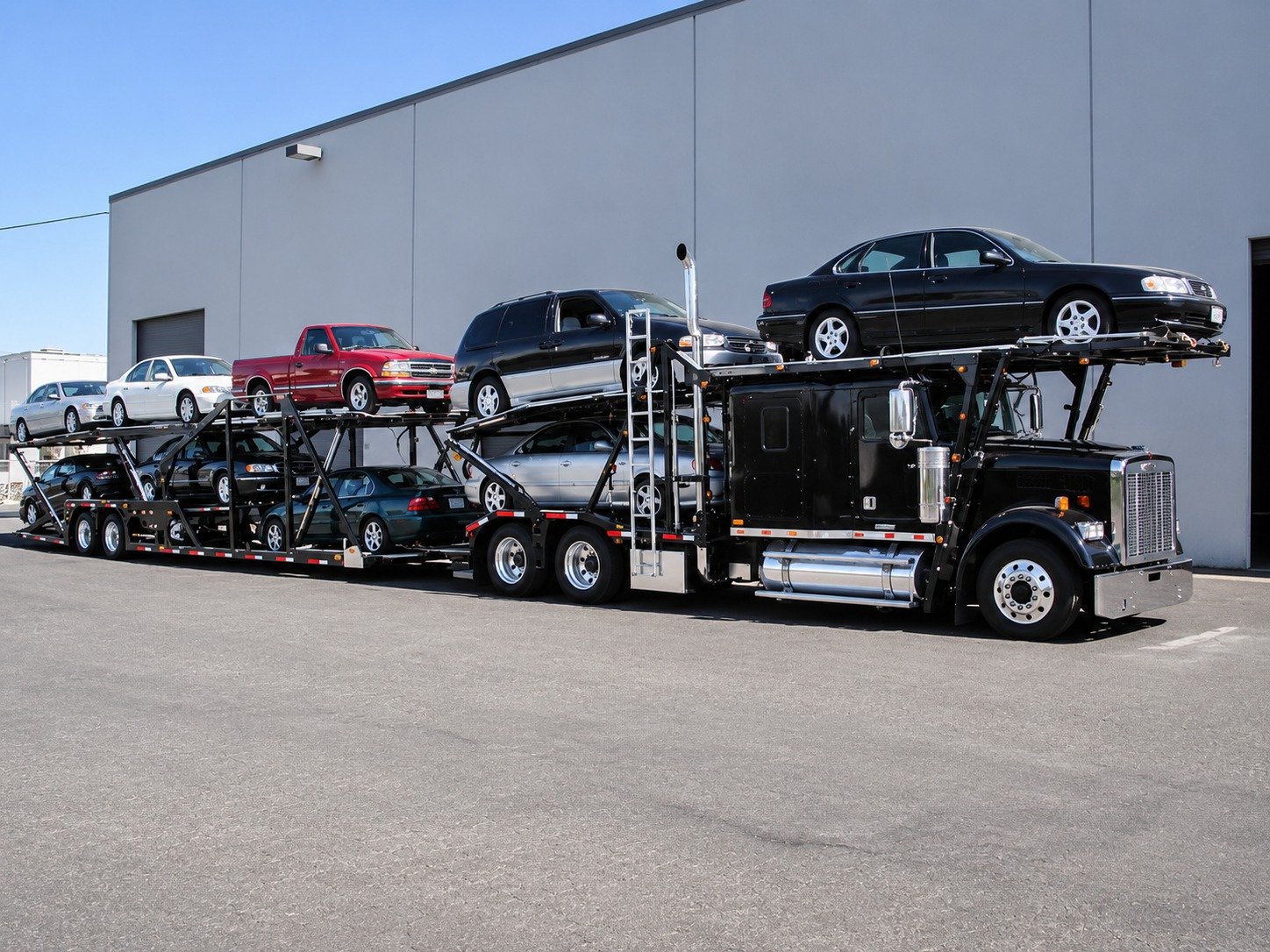
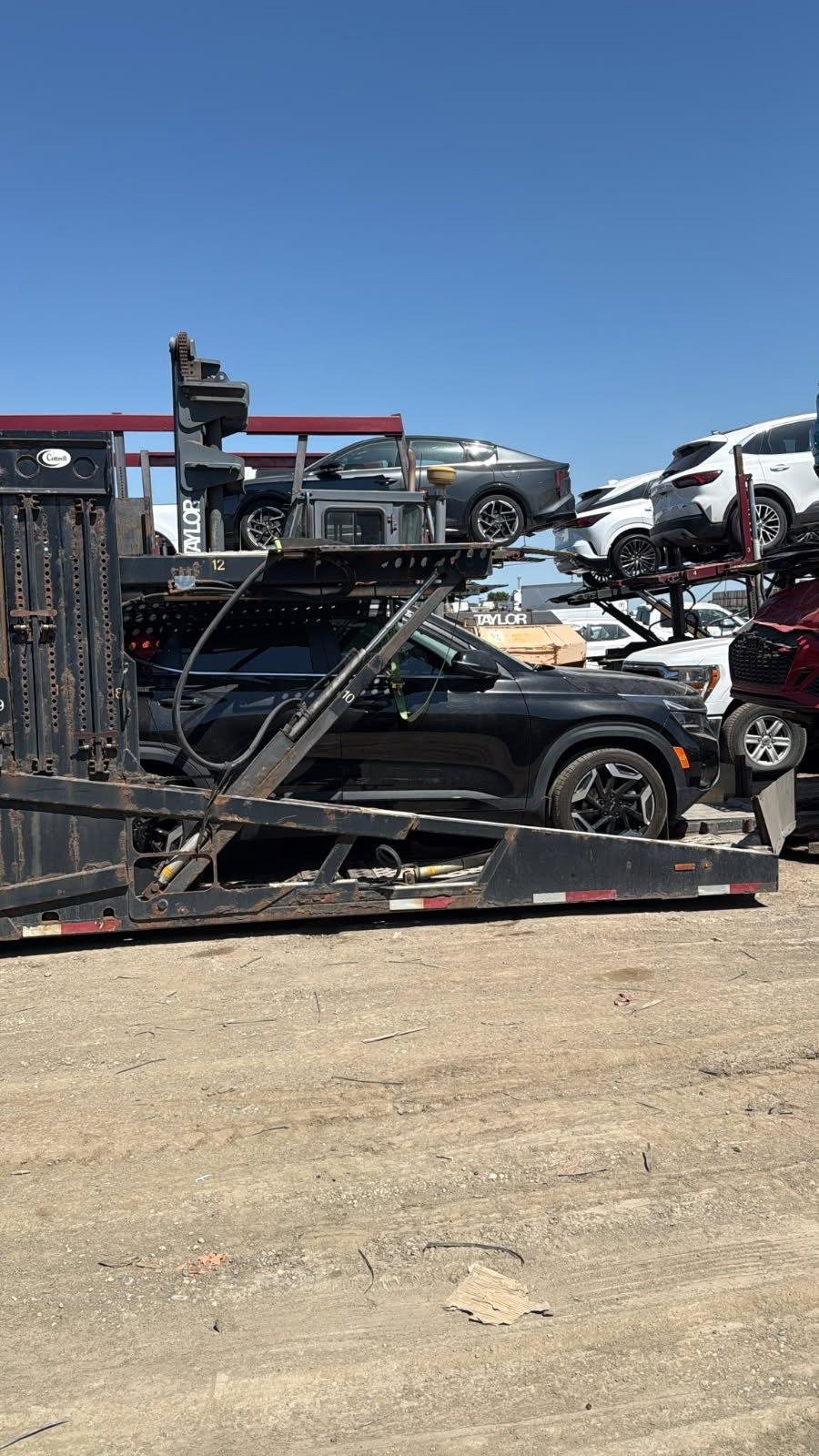
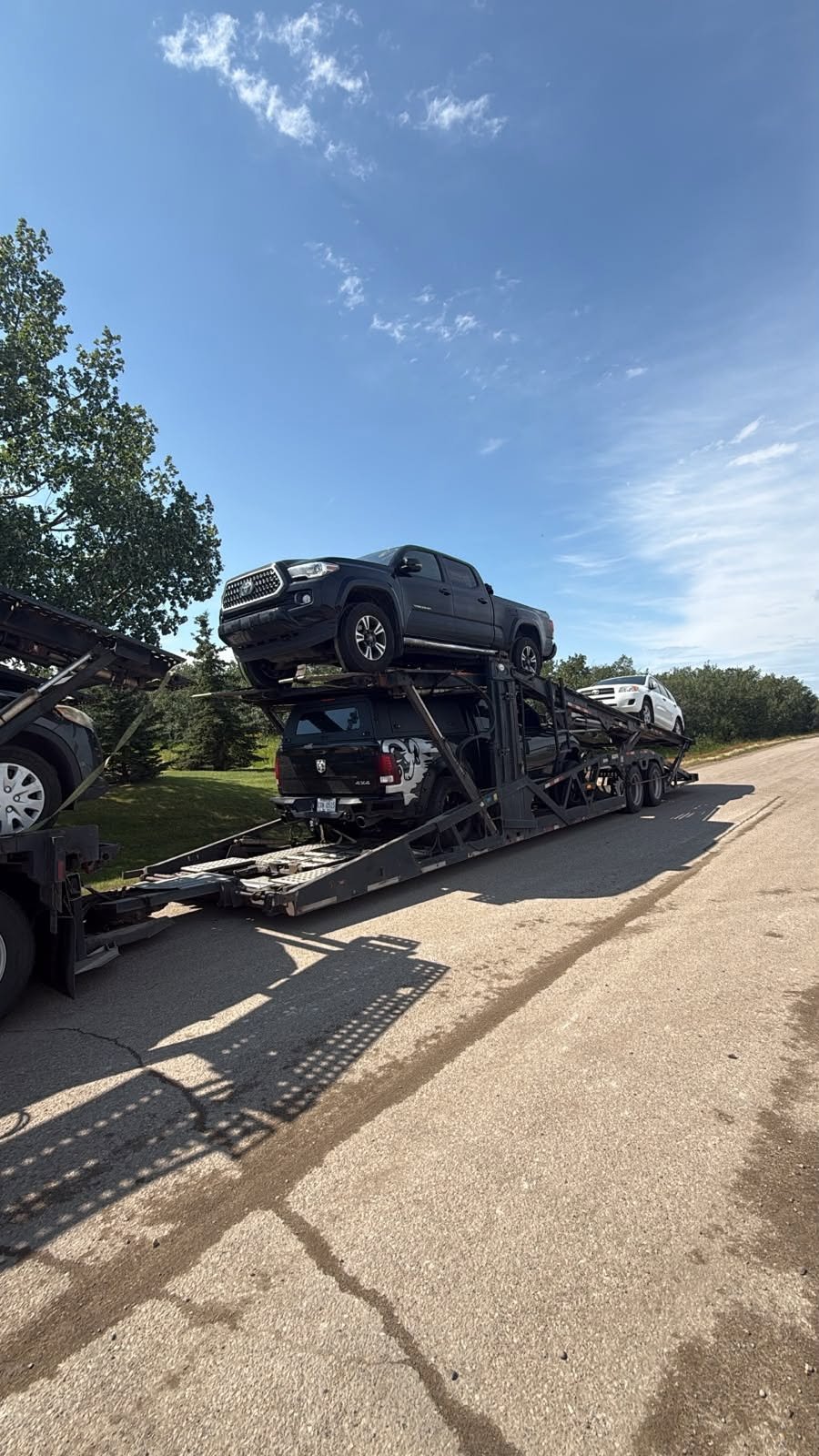
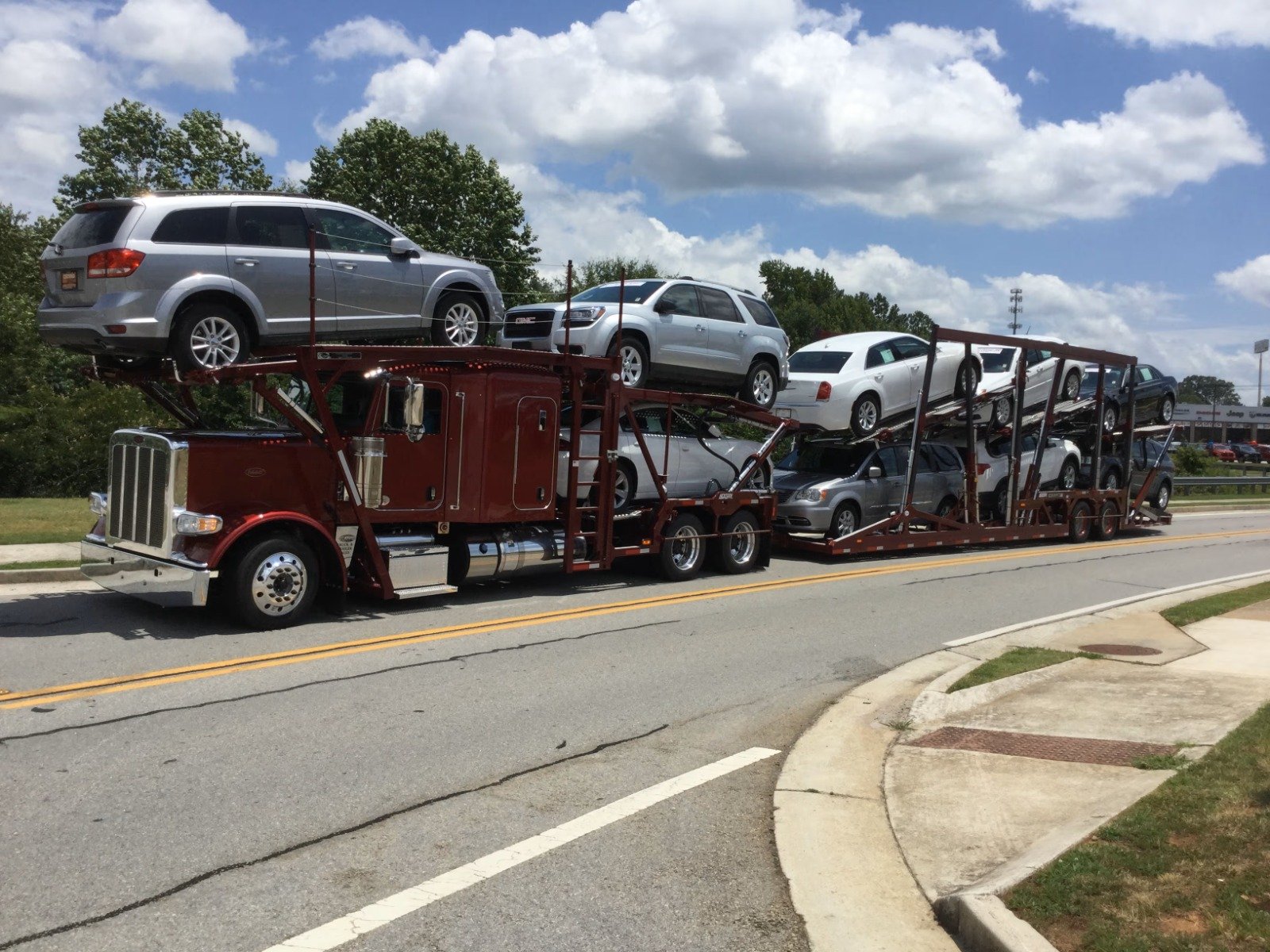
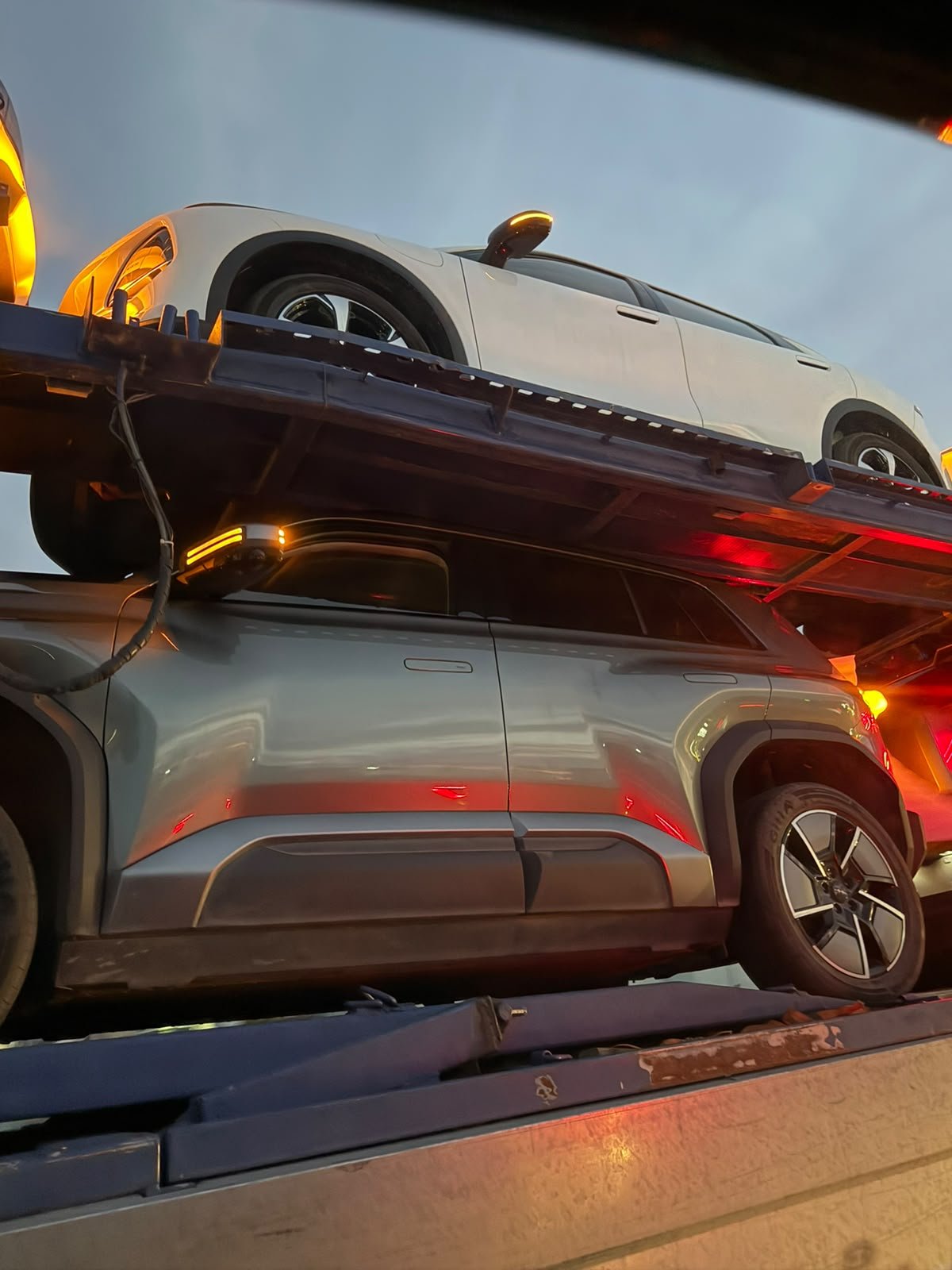
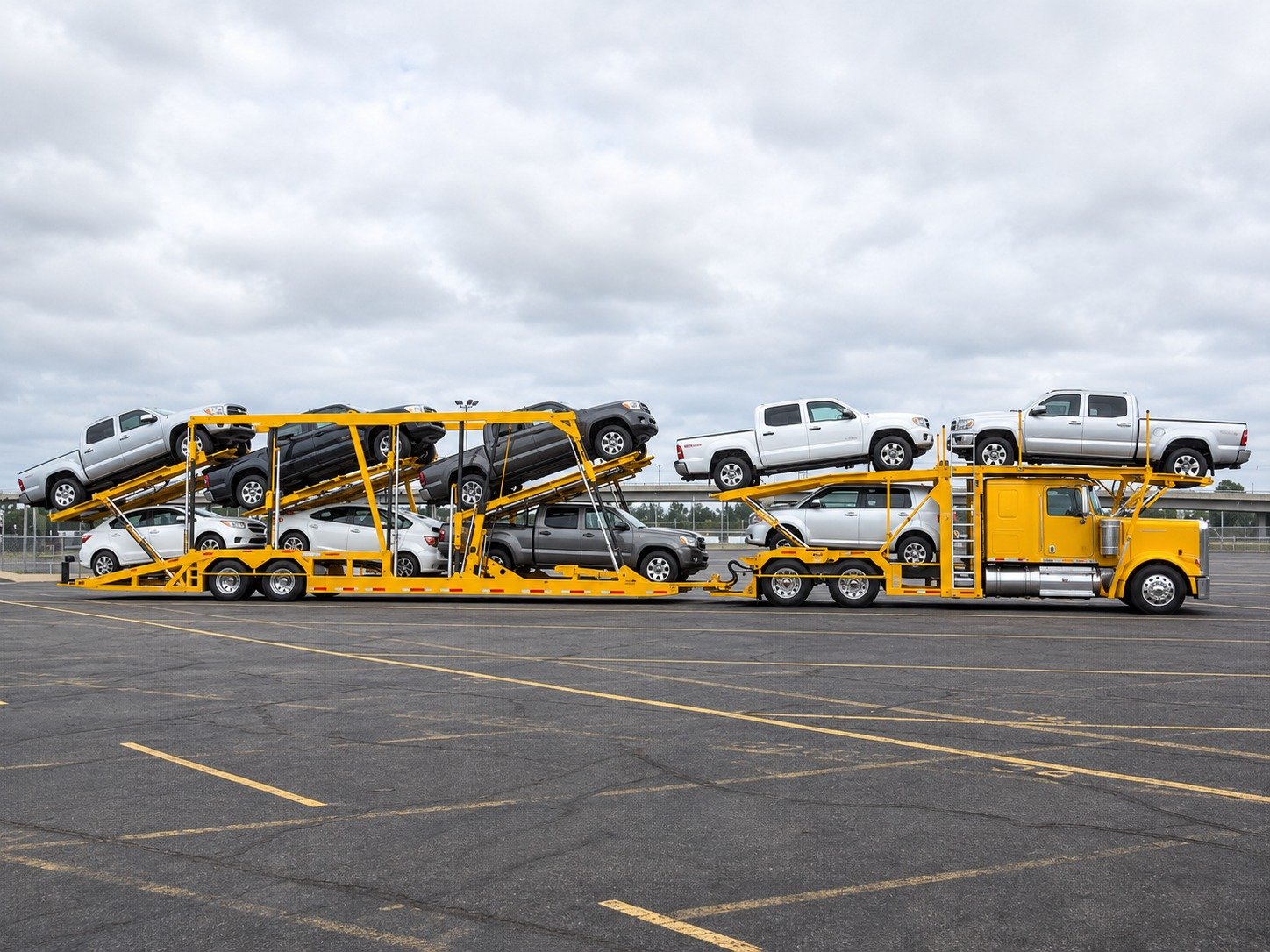
Vehicle transportation by truck relies on commercial open car transport carriers and enclosed auto transport trailers travelling along the Trans-Canada Highway and regional arterial routes. Car carrier trucks can load anywhere from a single vehicle on a flatbed or wedge trailer up to nine or ten vehicles on a multi-level commercial stinger or high-mount rig.
Because trucks use public road networks, they can reach smaller cities, suburban neighbourhoods, and commercial dealerships directly. This versatility supports door-to-door car delivery as well as terminal-based drop-offs across virtually every populated region of the country.

How Car Shipping by Rail Compares to Truck Transport
When evaluating train vs truck vehicle transport, looking at operational factors side by side clarifies where each method excels. The table below outlines the core differences across routing, protection, accessibility, and scheduling.
| Comparison Factor | Rail Vehicle Transport | Truck Car Shipping |
|---|---|---|
| Pickup & Delivery Style | Primarily terminal-to-terminal at major rail hubs | Door-to-door, partial door, or terminal-to-terminal |
| Geographic Reach | Limited to cities along major Class I rail corridors | Nationwide, including rural towns and secondary highways |
| Weather & Debris Protection | Fully enclosed steel autorack railcars | Open-air trailers (standard) or hard-sided enclosed trailers |
| Vehicle Handling Frequency | Higher (local shuttle, rail loading, rail unloading, local pickup) | Lower (typically loaded once at origin and unloaded at destination) |
| Scheduling Flexibility | Fixed train departure windows and rail yard cut-off times | Flexible dispatch schedules based on carrier route availability |
| Oversized or Modified Vehicles | Strict height, width, and ground-clearance limits inside autoracks | Accommodates lifted trucks, vans, and specialty builds via open or flatbed trailers |
Check vehicle dimensions before booking rail: Autorack railcars have strict interior height and width clearances. Full-size pickup trucks with roof racks, lifted suspensions, or wide aftermarket tires often exceed railcar clearance limits and must travel by highway car carrier instead.
Rail Car Transport Costs vs. Truck Car Shipping Costs
One of the first questions customers ask is: is shipping a car by rail cheaper than by truck? The answer depends heavily on distance, origin and destination locations, and how you plan to drop off and pick up the vehicle.
What Influences Rail Car Transport Costs?
On long east-west corridors—such as shipping between Vancouver and Toronto or Calgary and Montreal—rail car transport costs can be competitive for standard passenger sedans because trains move large volumes of freight efficiently over thousands of kilometres. However, rail rates reflect terminal handling fees, rail yard staging, and mandatory vehicle preparation requirements.
If you live far from a major rail terminal, adding local tow or shuttle trucking to reach the rail yard increases total vehicle transport costs and can eliminate any base rate savings.
What Influences Truck Car Shipping Costs?
Truck car shipping costs are shaped by highway distance, fuel prices, seasonal demand (such as spring and autumn snowbird migrations), vehicle weight and dimensions, and trailer type. Open car transport is the most economical highway option, while enclosed carriers command a higher rate due to lower vehicle capacity per load and specialized protection.
For regional moves—such as Vancouver to Calgary car shipping or trips between Ontario and Quebec—truck transport is frequently more cost-effective than rail because it avoids rail yard drayage and multi-stage terminal fees.

Transit Times: Which Is Faster for Car Shipping, Rail or Truck?
When comparing transit times for cross-country vehicle shipping, highway trucks are generally faster from pickup to final delivery, even though trains run continuously day and night.
Understanding why requires looking at the entire logistics chain rather than just cruising speed:
- Rail Terminal Staging and Switching: When a vehicle arrives at a rail compound, it waits until enough vehicles are staged to fill an autorack train heading toward your destination corridor. Along the route, railcars may also be decoupled and switched at classification yards (such as Winnipeg) before continuing east or west.
- Direct Highway Routing: Commercial truck drivers operate under strict federal Hours of Service rules enforced by Transport Canada, which regulate daily driving limits and mandatory rest breaks. Even with regulated rest periods, a truck travels directly from pickup zones to delivery zones without waiting for railcar assembly.
- Seasonal Weather Impacts: Both modes face Canadian winter conditions. Mountain passes in British Columbia (monitored via DriveBC) and severe Prairie blizzards can temporarily slow highway carriers, while extreme cold and heavy snowfall can also cause rail switching delays and track congestion.
If you have a firm start date for a new job, a dealership delivery deadline, or a scheduled flight, highway trucking typically offers tighter pickup windows and more predictable delivery scheduling.
Pros and Cons of Rail vs. Truck Car Shipping
Every shipping method involves trade-offs between convenience, protection, cost, and speed. Reviewing the strengths and limitations of both options makes it easier to match your priorities to the right transport service.
Rail Transport
Long-Haul CorridorKey Advantages
- Enclosed steel railcars shield vehicles from road gravel and weather during transit.
- Competitive pricing on long transcontinental routes between major rail hubs.
- Lower carbon footprint per tonne-kilometre over long distances.
Key Limitations
- Restricted to cities with automotive rail yards.
- Multiple loading and unloading cycles between local shuttles and railcars.
- Strict restrictions on vehicle height, ground clearance, and personal belongings.
Truck Transport
Flexible RoutingKey Advantages
- Convenient door-to-door pickup and delivery across urban and rural Canada.
- Faster overall transit times with fewer vehicle transfers.
- Choice between open transport and fully enclosed luxury carriers.
Key Limitations
- Open trailers expose vehicles to outdoor weather and road dust.
- Large commercial rigs require wide street access for residential pickups.
- Enclosed truck transport carries a higher rate than standard open carriers.

Is Rail or Truck Better for Shipping a Car in Canada?
Rather than declaring one universal winner, experienced automotive logistics coordinators match the shipping method to the specific circumstances of each move. Here is how to decide which option fits your situation:
Relocating Between Major Canadian Cities on a Flexible Timeline
If you are moving a standard daily-driver sedan between major hubs like Toronto and Vancouver and can drop off and pick up at designated compounds without a tight deadline, rail transport can be a practical, enclosed-railcar option.
Moving to or from Smaller Communities or Atlantic Canada
Rail auto terminals do not serve every province or regional city directly. For routes into smaller communities or coastal destinations—such as Toronto to Halifax car shipping—highway car carriers provide direct access without complex multi-carrier transfers.
Shipping Luxury, Classic, Exotic, or Low-Clearance Vehicles
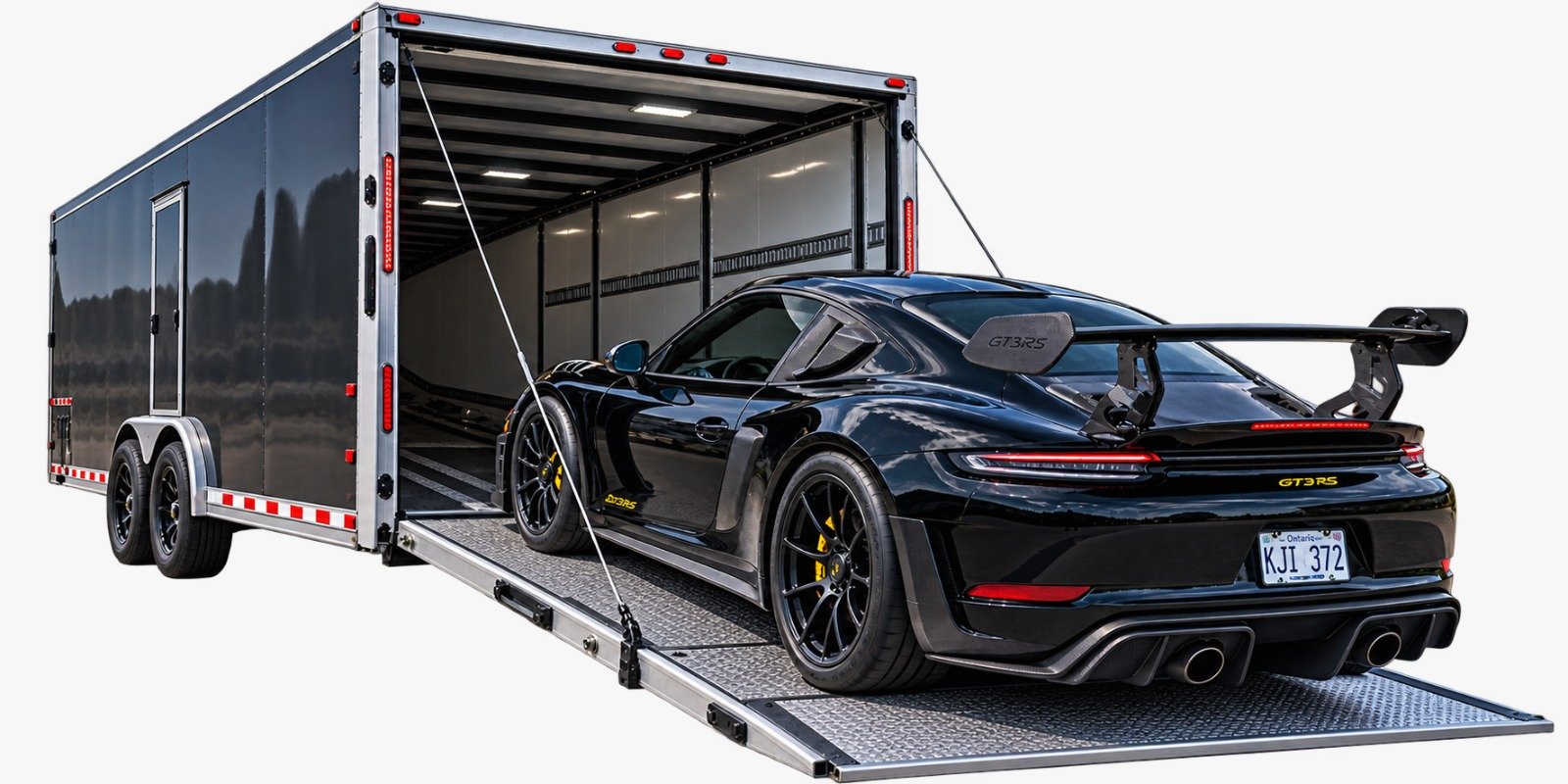
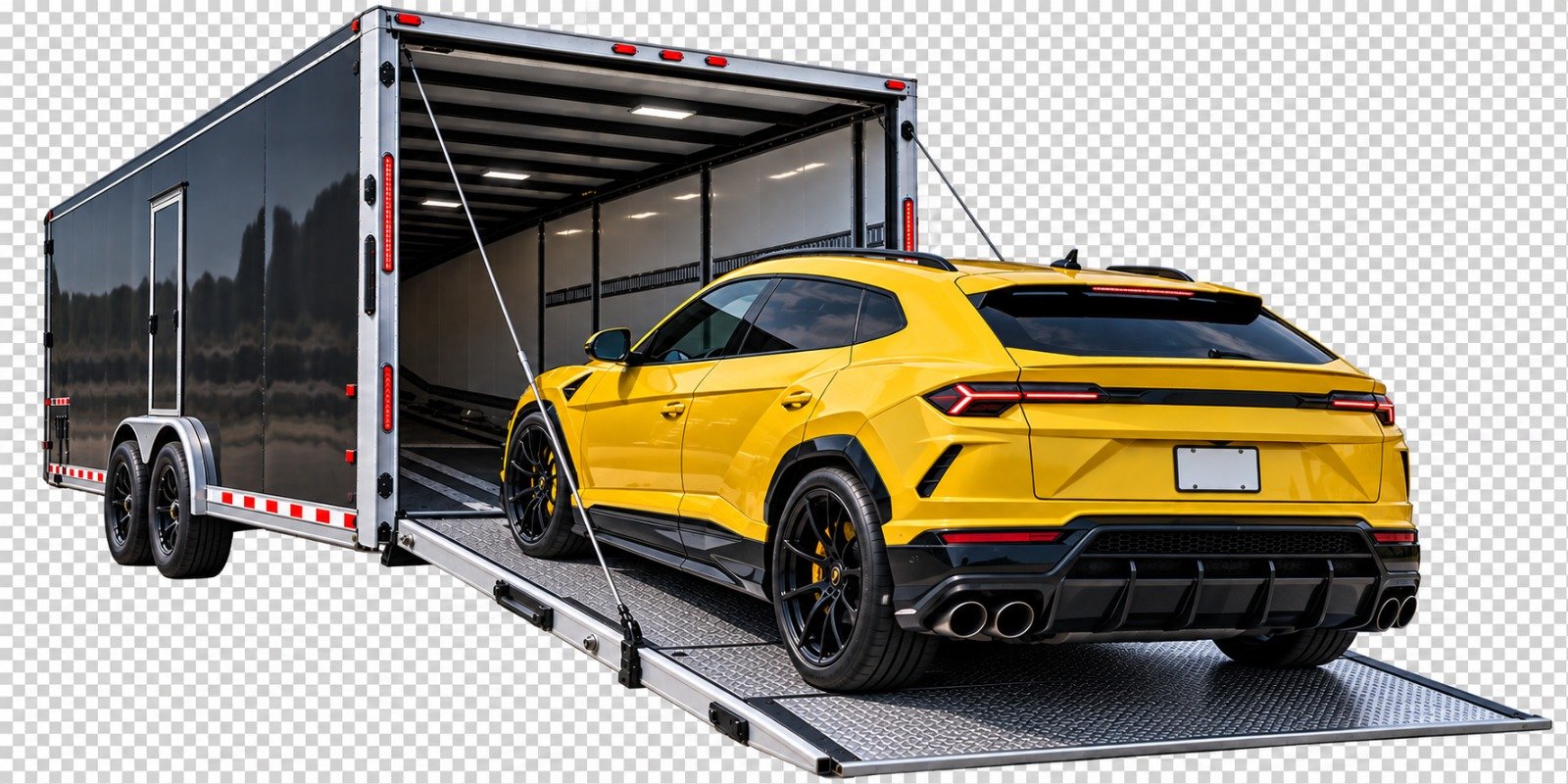
High-value collector cars and low-ground-clearance sports cars benefit from single-handling enclosed vehicle transport by truck. Hydraulic liftgates and soft-tie wheel straps eliminate steep rail loading ramps and minimize handling.
Transporting Pickup Trucks, Commercial Vans, or Fleet Units
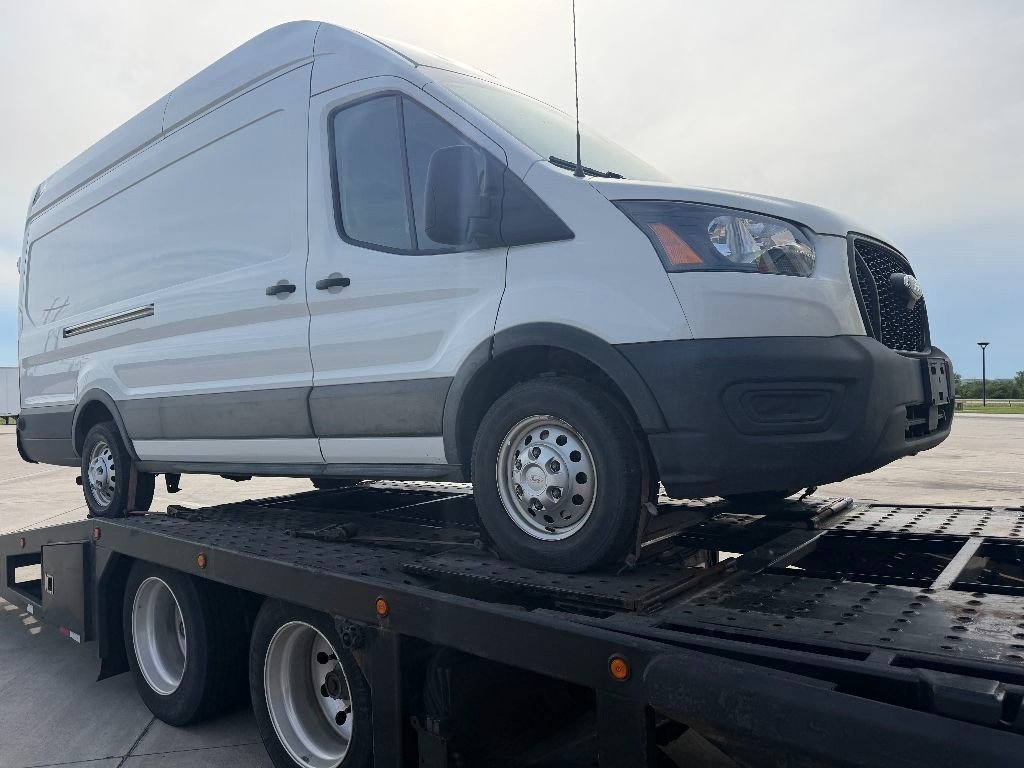
Dealerships and businesses moving full-size trucks, cargo vans, or commercial vehicles rely on multi-level highway haulers or flatbed trailers, where deck heights can be adjusted to accommodate taller profiles.
Before finalizing your booking, it is also worth reviewing provincial registration, inspection, and insurance rules through your provincial transport ministry or the Insurance Bureau of Canada so your coverage remains valid throughout interprovincial transit.

Frequently Asked Questions About Rail vs. Truck Car Shipping
Yes. Vehicles can be shipped across Canada by train via specialized enclosed autorack railcars operating between major rail terminals in cities such as Vancouver, Calgary, Edmonton, Winnipeg, Toronto, and Montreal. Because passenger rail services no longer carry private automobiles, shipments are coordinated through commercial auto logistics providers and freight rail networks.
For standard passenger cars travelling directly between major rail hubs, terminal-to-terminal rail transport or open-carrier terminal shipping is typically the most economical choice. However, if your origin or destination requires local towing to reach a rail yard, open highway truck transport often proves more cost-effective overall.
Transit times vary by distance, route congestion, and seasonal weather, but highway truck transport is generally faster than rail. Trucks travel directly along highway corridors without waiting for railcar staging, yard switching, or multi-stage terminal transfers.
Rail operators enforce strict zero-personal-items policies—vehicles shipped by train must be completely empty aside from factory-installed equipment and a spare tire. Highway truck carriers often permit a limited amount of properly secured personal items in the trunk or below the window line, subject to carrier weight limits and inspection guidelines.
Wash the exterior so any existing chips or scratches are clearly visible during the pre-trip inspection, remove loose exterior accessories, fold in side mirrors, check battery charge and tire pressure, and keep the fuel tank around one-quarter full. For rail transport, ensure all personal belongings and aftermarket roof racks are removed prior to drop-off.
Final Thoughts on Choosing Between Rail and Truck Transport
Evaluating car shipping by rail vs truck comes down to balancing terminal convenience, transit speed, vehicle dimensions, and total door-to-door cost. Rail transport offers enclosed autorack protection on long corridors between major metropolitan hubs, while commercial car carrier trucks deliver unmatched routing flexibility, faster door-to-door timelines, and tailored options for oversized or high-value vehicles.
As a dedicated Canadian vehicle transportation provider, Optixtrace Car Shipping coordinates both highway and rail logistics across interprovincial routes nationwide, helping individuals, dealerships, and businesses choose the most reliable transport solution for every vehicle.
Looking to Ship Your Vehicle Across Canada?
Whether you need flexible door-to-door truck transport or cost-effective terminal-to-terminal rail shipping, Optixtrace coordinates dependable vehicle logistics tailored to your route, vehicle type, and schedule.
Get a Free Car Shipping Quote