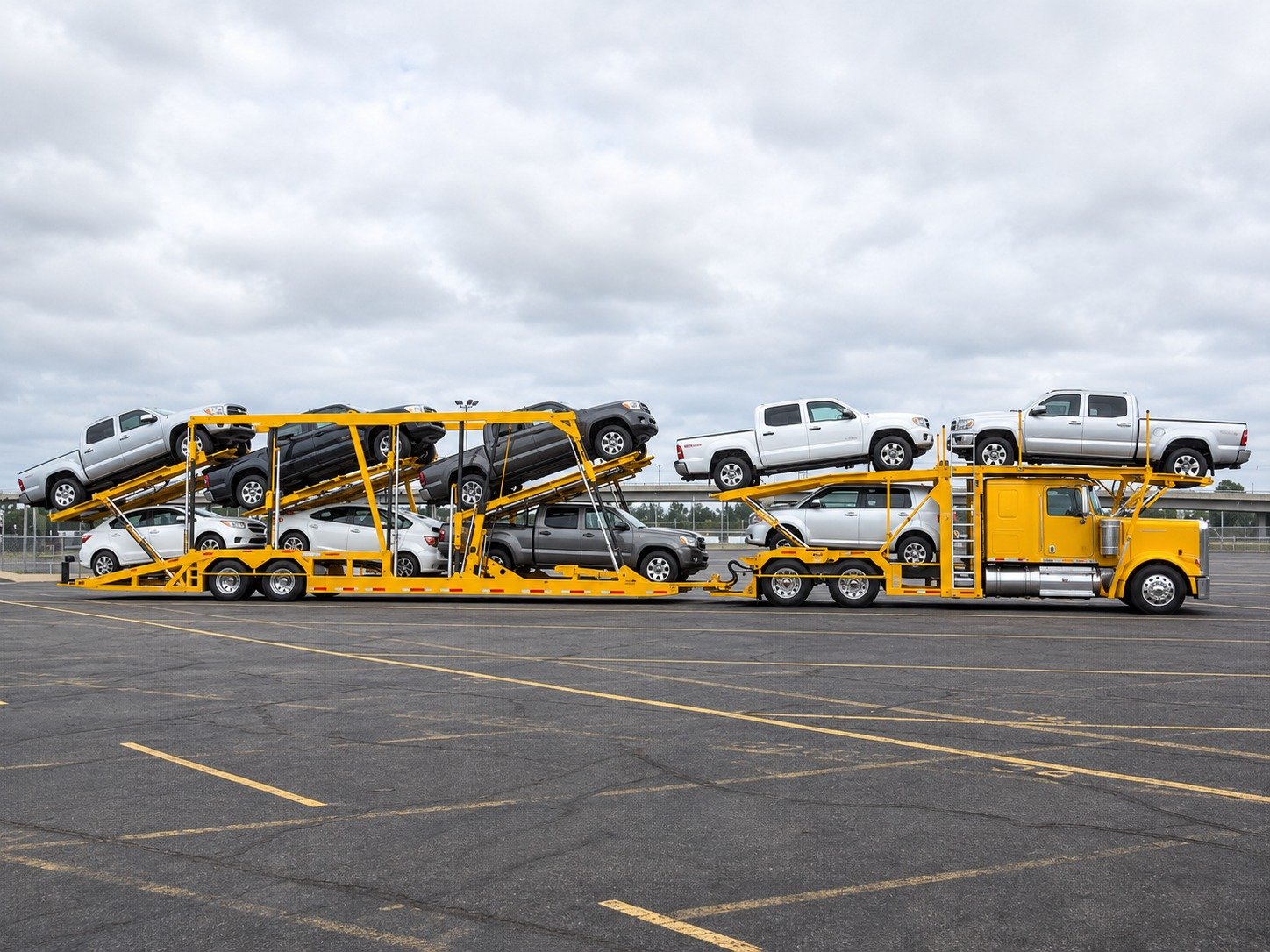
When arranging vehicle shipping across Canada, one of the first decisions you will face is choosing between door-to-door vs terminal-to-terminal car shipping. While both methods move your vehicle safely from origin to destination using professional carriers, they differ significantly in how pickup is scheduled, where handoffs take place, how much time you invest, and how final pricing is structured.
Whether you are relocating from British Columbia to Ontario, buying a pre-owned SUV from an out-of-province dealership, or managing fleet transfers for a commercial business, understanding how these two car shipping delivery options work will help you avoid unexpected terminal fees, scheduling delays, and unnecessary travel. At Optixtrace Car Shipping, we coordinate tailored vehicle transport solutions across every Canadian corridor so you can choose the method that fits your route, vehicle type, and schedule.
How Door-to-Door Car Shipping Works
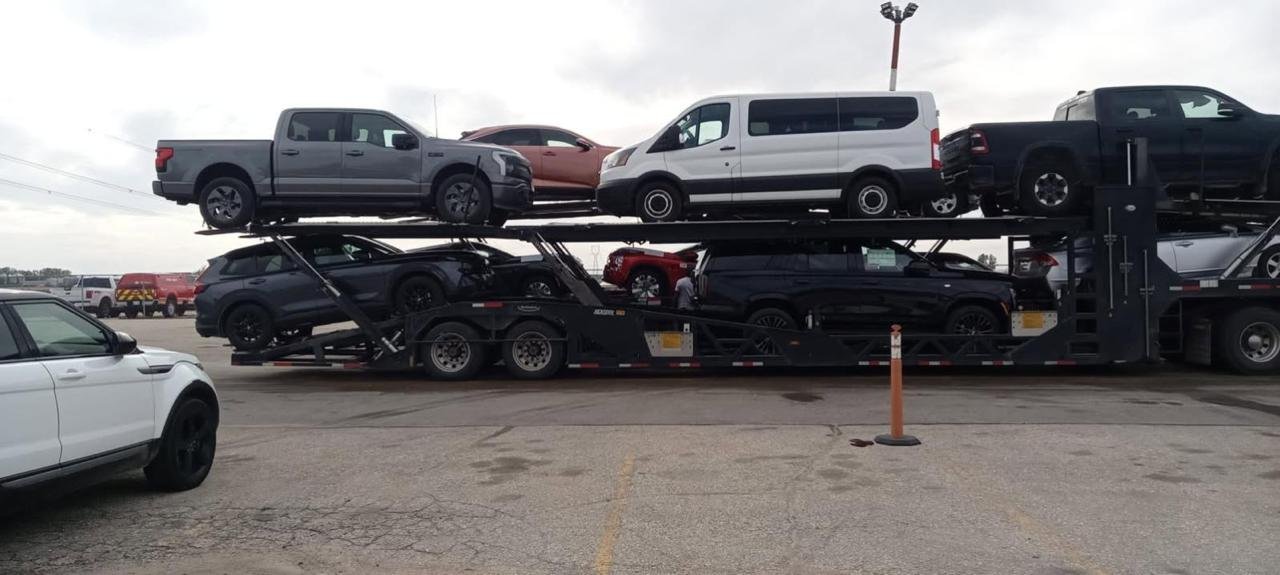
Door-to-door car shipping is a direct vehicle pickup and delivery model where the transport driver collects your vehicle as close as safely and legally possible to your specified street address, and delivers it directly to your chosen destination address. Instead of driving to a regional freight yard, you meet the carrier at your home, workplace, or dealership.
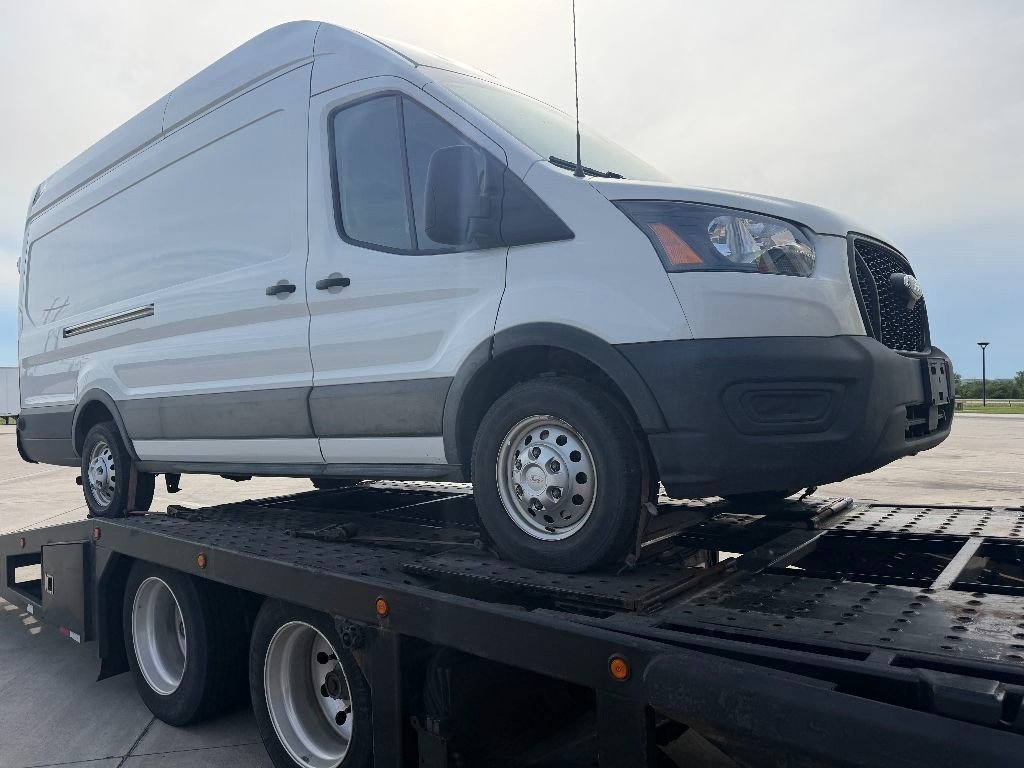
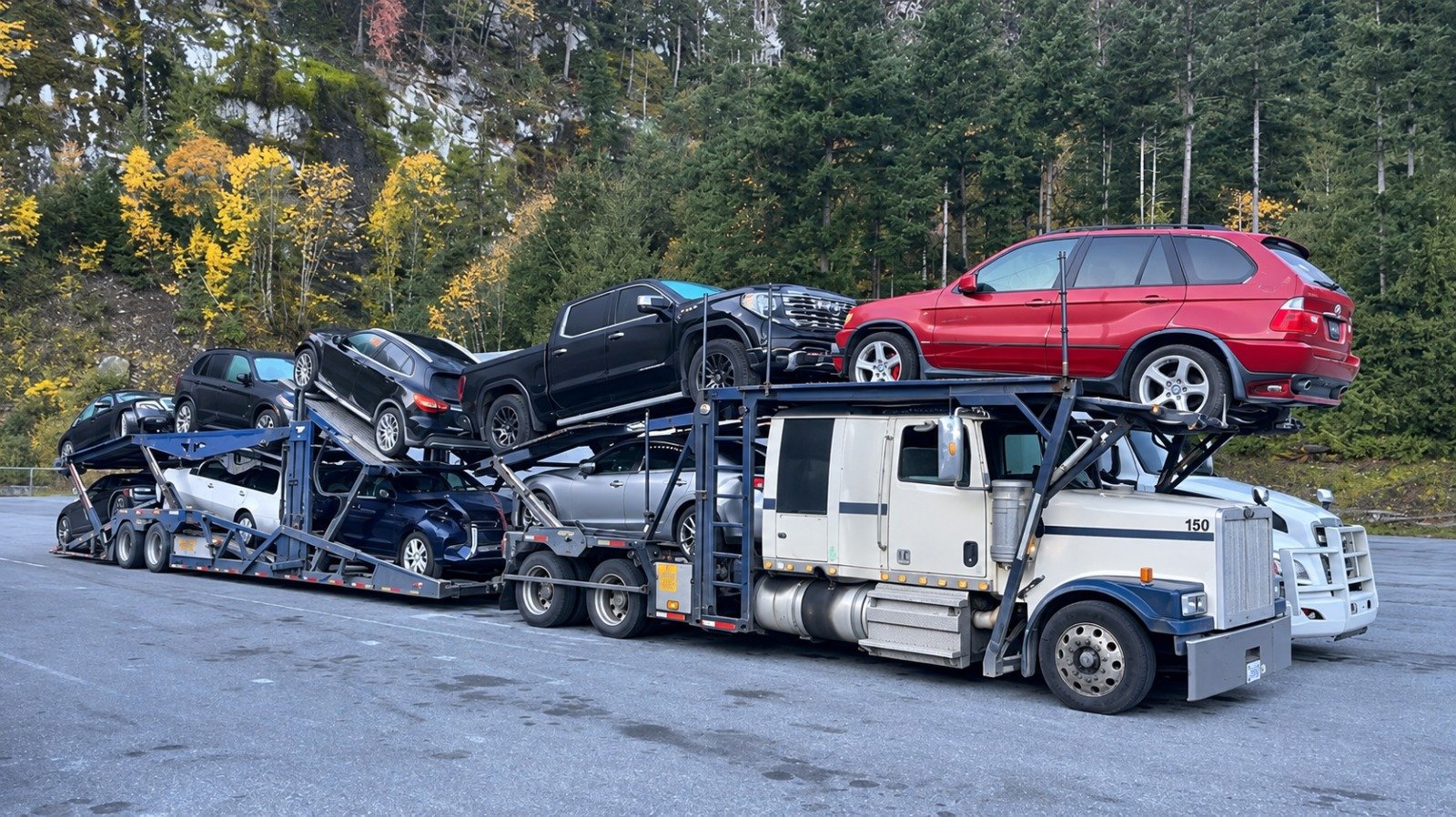
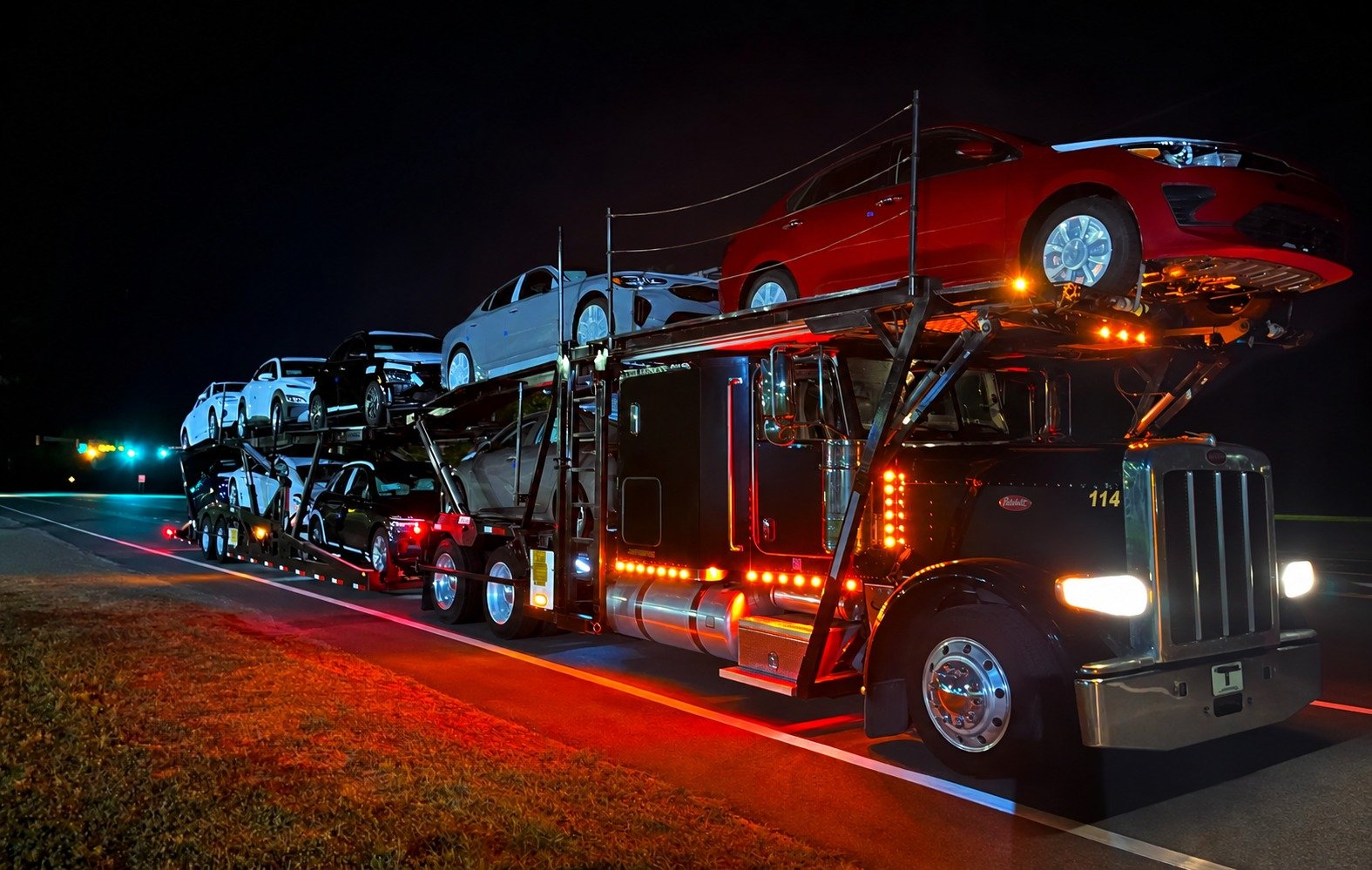
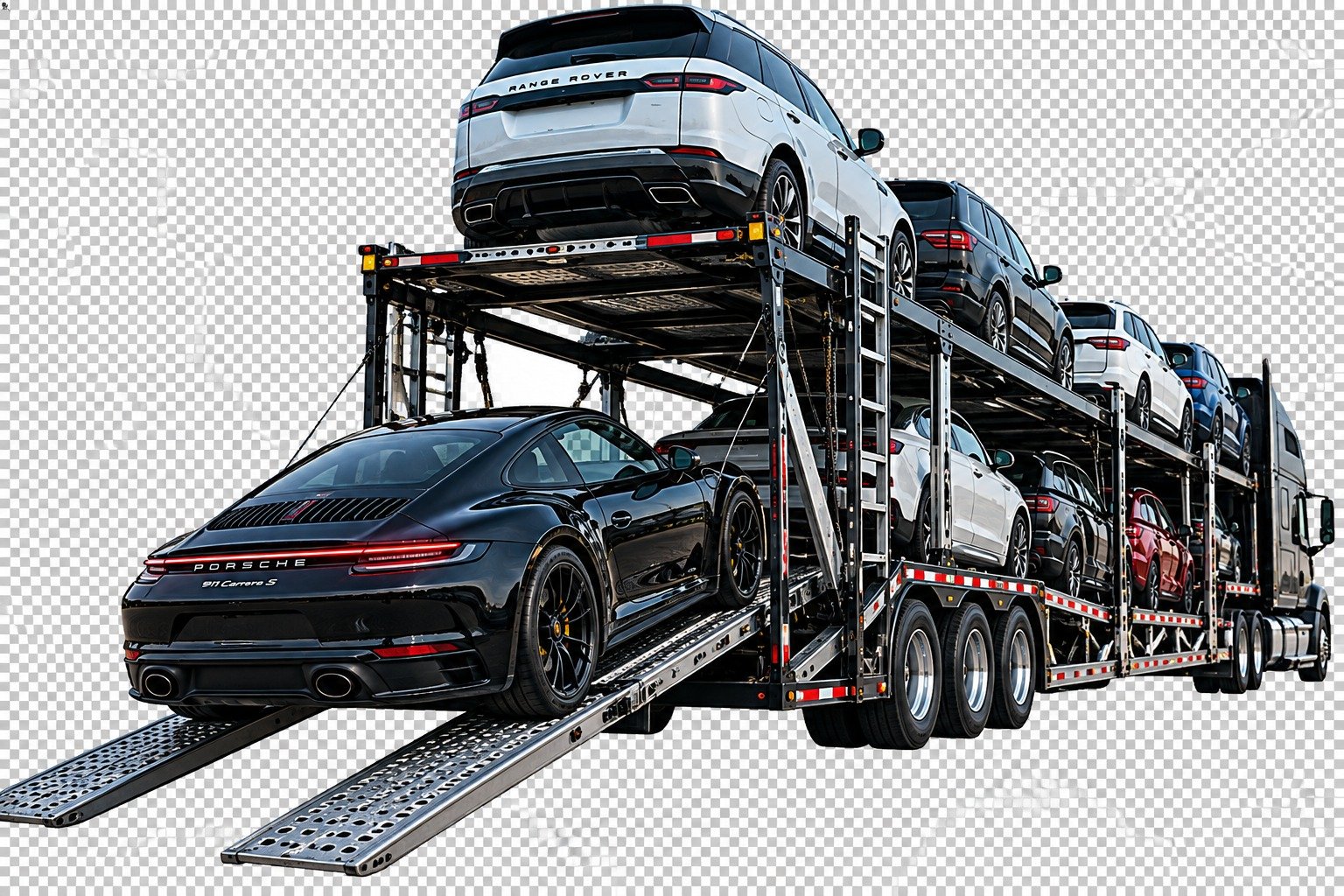
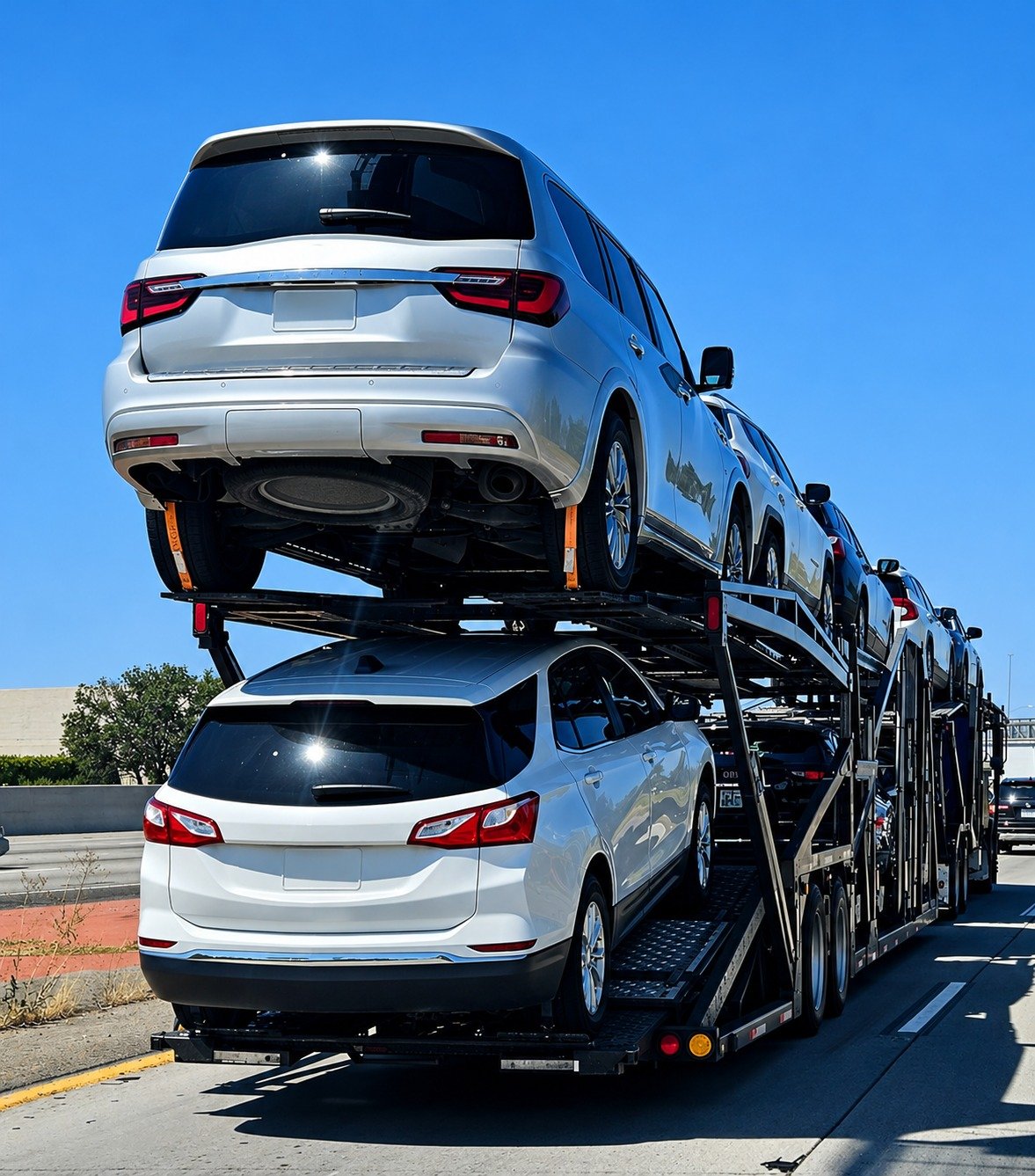
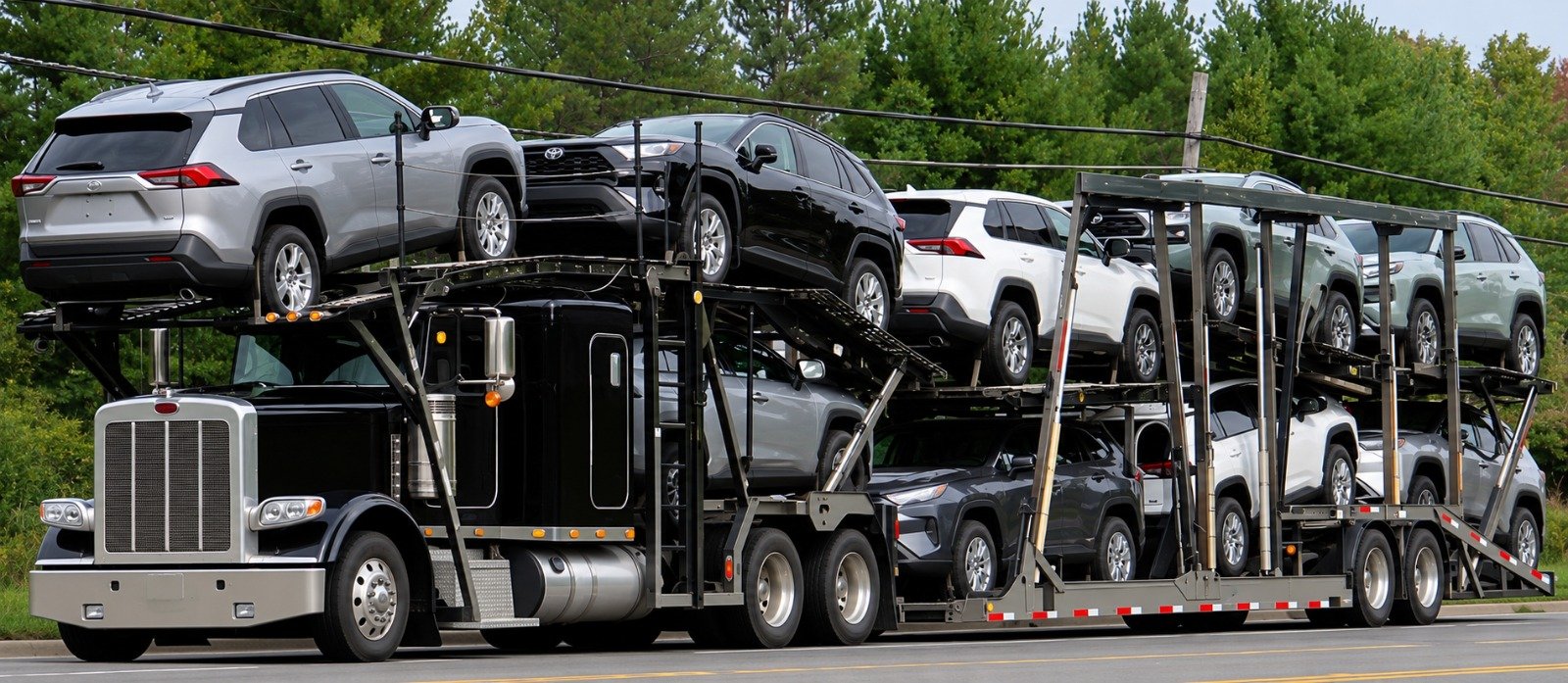
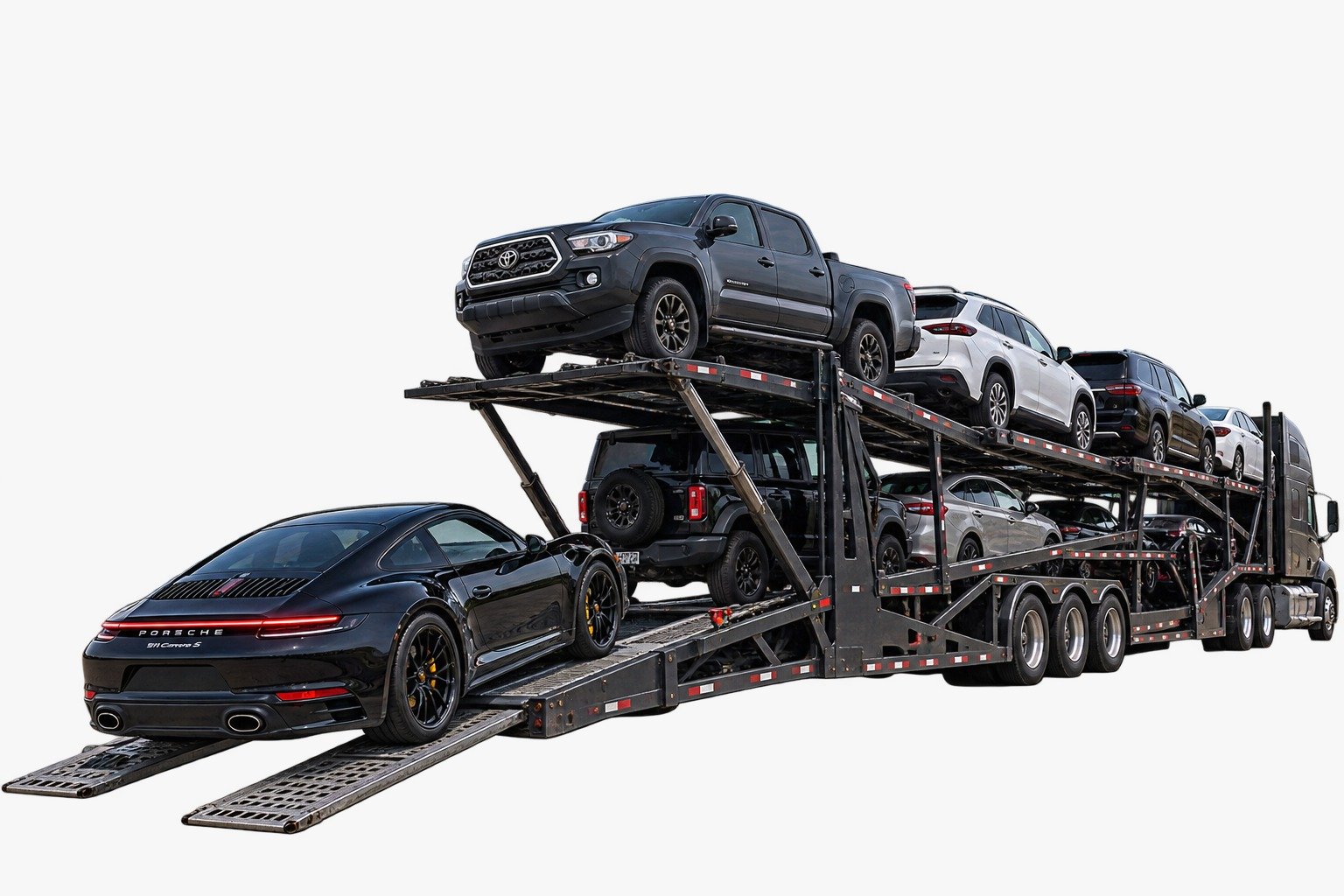
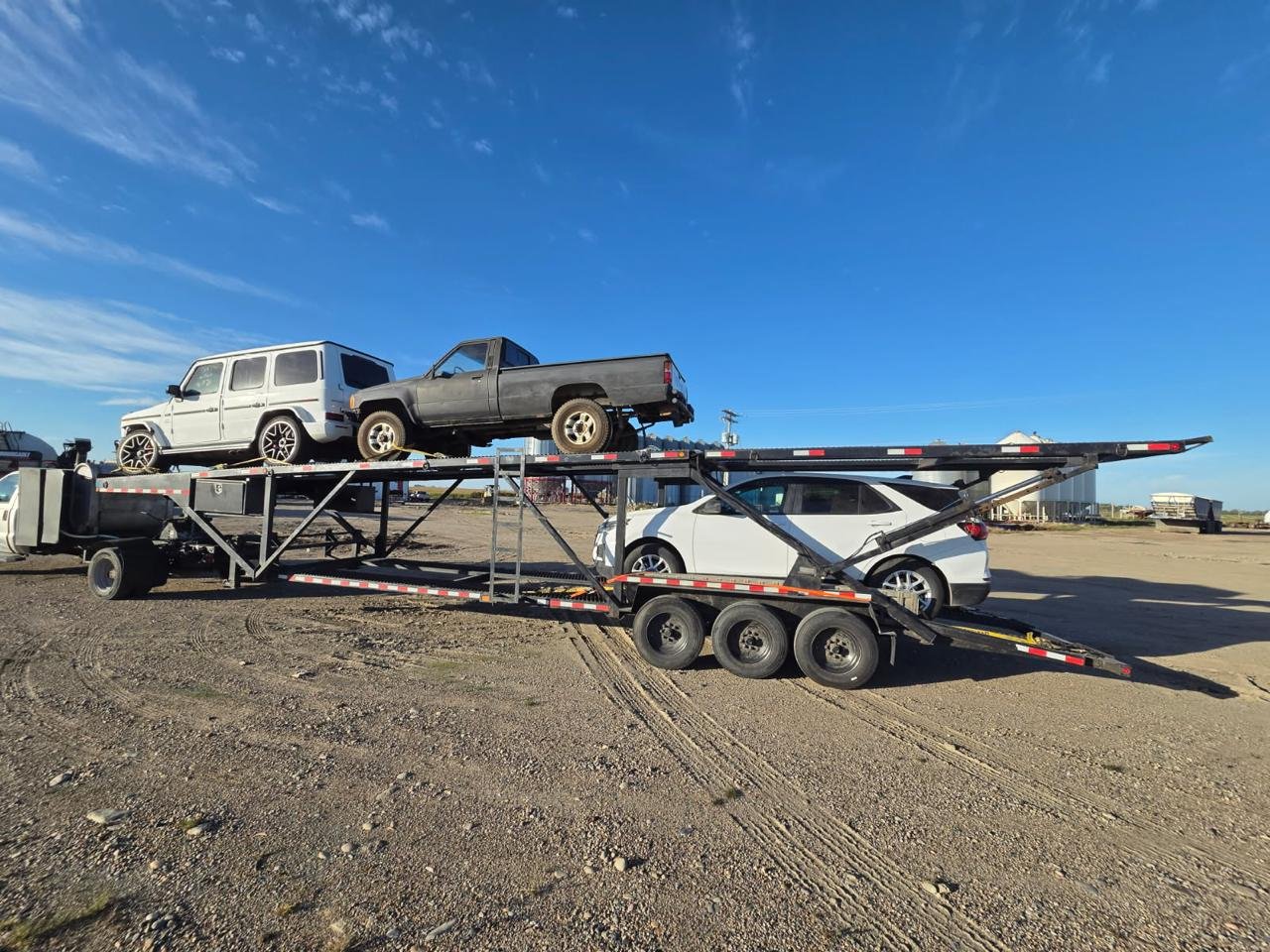
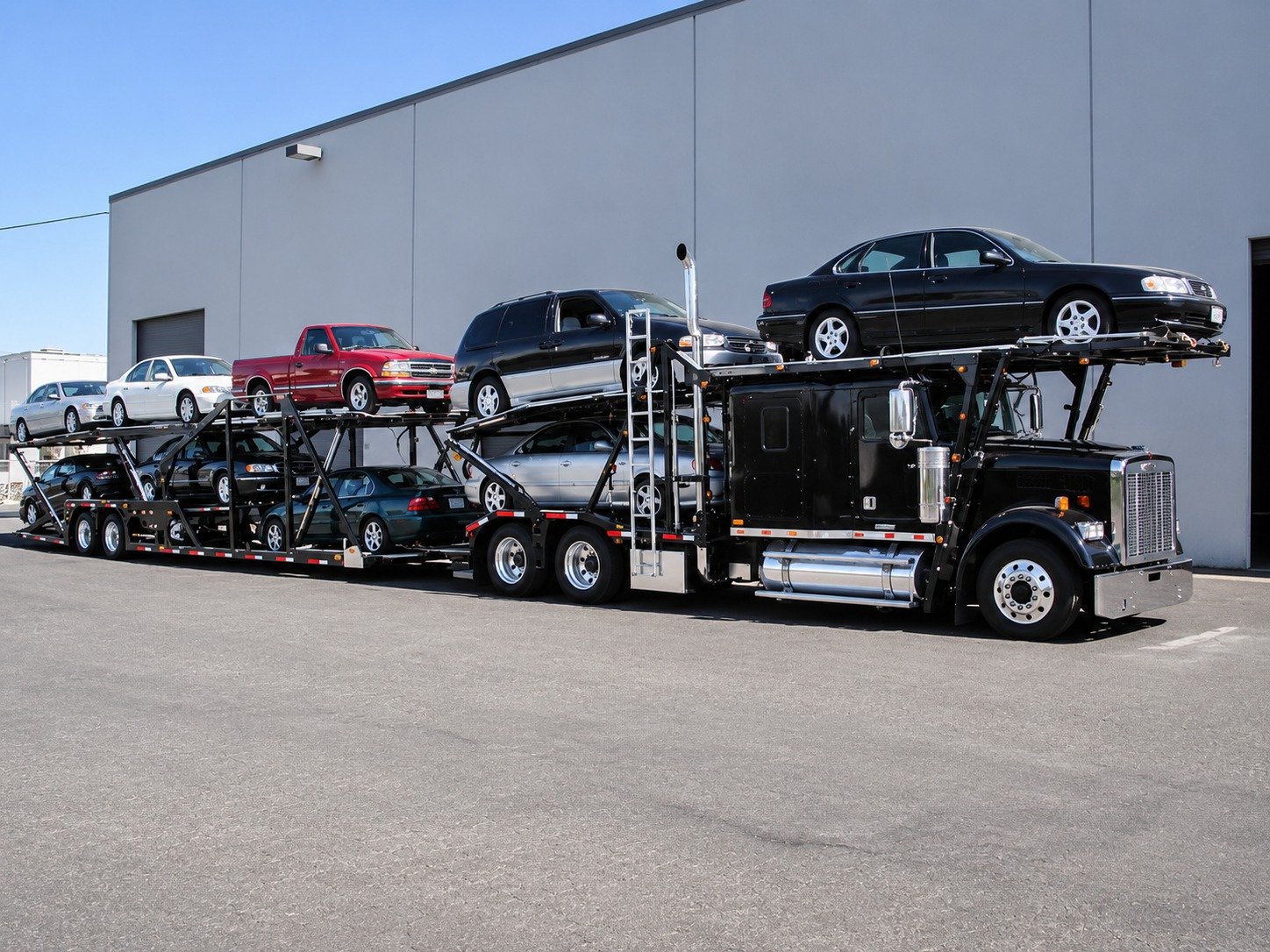
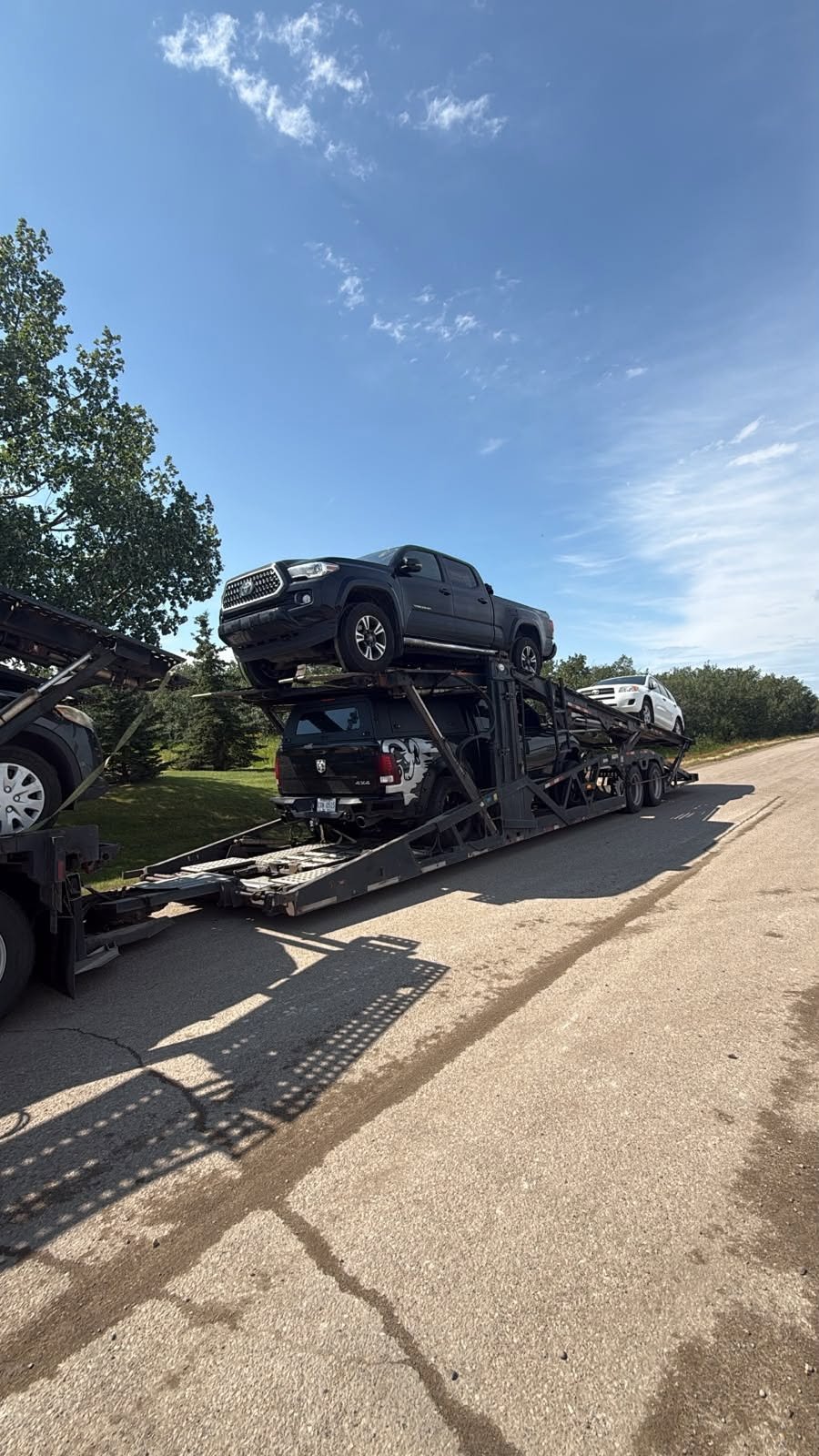
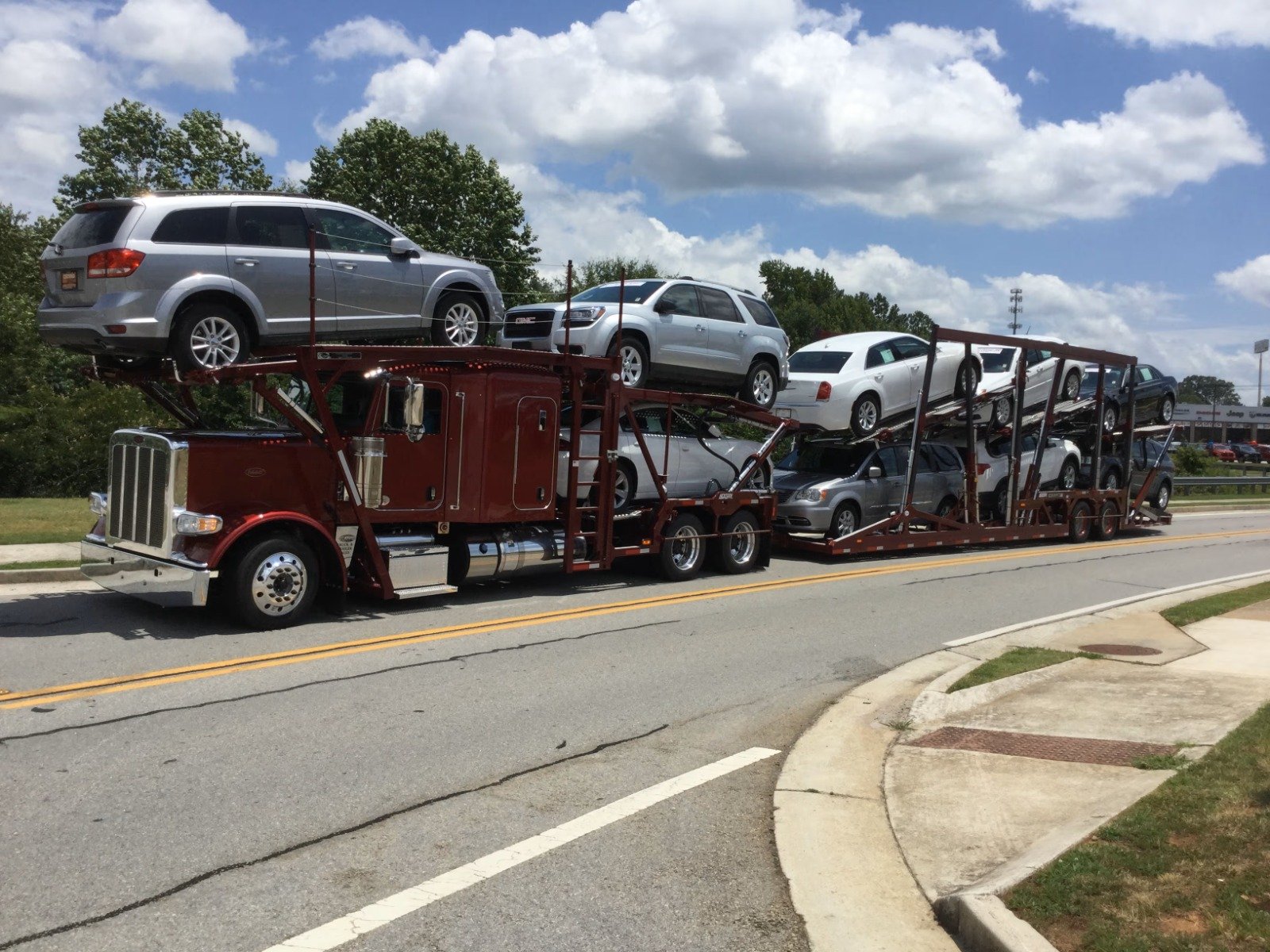
In Canada, long-haul auto carriers operate large multi-vehicle tractor-trailers regulated under federal and provincial commercial transport standards outlined by Transport Canada. Because an 80-foot commercial car hauler requires wide turning radii and overhead clearance, residential vehicle pickup works through a straightforward process:
- Address & Access Assessment: When you book door-to-door open car transport, dispatchers review street width, low-hanging branches, cul-de-sacs, and municipal heavy-truck bylaws at both ends of the route.
- Direct Curbside or Nearby Staging: If your residential street accommodates a full-size transport rig, the driver loads right outside your property. If tight urban lanes or downtown condo restrictions prevent direct curb access, the driver coordinates a safe, wide meeting spot nearby—such as a large retail plaza or wide arterial road.
- Joint Condition Inspection: Before loading, you and the driver walk around the vehicle to document existing scratches, dents, and odometer readings on the Bill of Lading.
- Direct Transit & Final Drop-Off: Your vehicle stays assigned to the carrier route without intermediate yard transfers, arriving directly at your destination address for final inspection and key handover.
If you live in a dense downtown core such as Downtown Toronto, Old Montreal, or Vancouver’s West End where municipal bylaws restrict commercial trailers, look into partial door-to-door transport. It pairs doorstep convenience on one end with a major metropolitan staging hub on the congested end.
How Terminal-to-Terminal Car Shipping Works
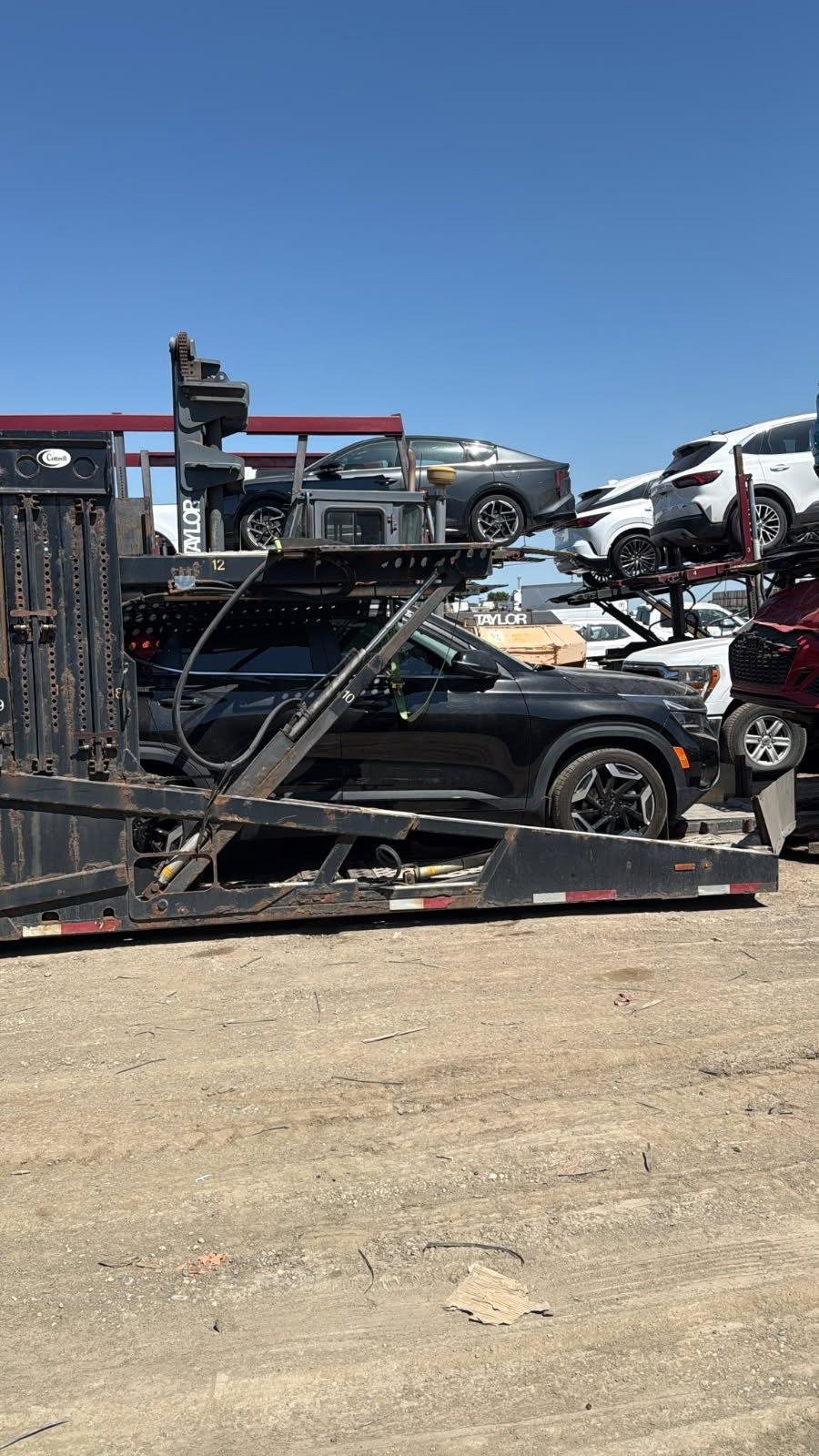
Terminal-to-terminal car shipping uses regional auto transport terminals—secure storage yards, freight compounds, or rail hubs located near major Canadian cities—as the drop-off and pickup points. Rather than sending a multi-car carrier into individual neighbourhoods, customers drive their vehicle to a designated origin terminal and retrieve it from a destination terminal.
This delivery structure is particularly common on high-volume interprovincial corridors, such as Vancouver to Toronto car shipping, as well as multimodal terminal-to-terminal rail transport where vehicles are loaded onto enclosed railcars at major railyards.
Step-by-Step Terminal Shipping Process
- Drop-Off at Origin Terminal: You drive the vehicle to the designated compound during operating hours, complete a check-in inspection with yard staff, and leave the keys.
- Load Consolidation: Your vehicle remains parked in the secure yard until a carrier heading along your corridor consolidates a full load of vehicles bound for the same destination region.
- Linehaul Transit: The carrier transports the consolidated load between metropolitan hubs—for example, moving vehicles between Calgary, Winnipeg, and Montreal.
- Destination Retrieval: Once unloaded at the receiving terminal, you receive notification to pick up your vehicle within a specified grace window before daily storage charges apply.
Door-to-Door vs. Terminal-to-Terminal: Key Differences
Both vehicle shipping services protect your car from thousands of kilometres of highway wear, rock chips, and winter road salt. The real distinction comes down to logistics control, handling frequency, and how much local legwork you are willing to take on.
| Comparison Factor | Door-to-Door Car Shipping | Terminal-to-Terminal Car Shipping |
|---|---|---|
| Pickup & Drop-Off Location | Directly at your home, office, dealership, or closest accessible street | Designated regional auto transport terminals or rail compounds |
| Overall Convenience | Maximum convenience; minimal personal travel or rideshare coordination | Requires driving to and from terminals during business hours |
| Vehicle Handling | Loaded once at origin and unloaded once at destination | May involve yard movement and extra loading between shuttles and linehaul trucks |
| Scheduling Flexibility | Coordinated directly around your availability and carrier arrival windows | Flexible drop-off date, but pickup must occur within strict terminal grace periods |
| Geographic Reach | Available across major cities, suburbs, and accessible rural communities | Limited to major metropolitan hubs with established storage facilities |
| Cost Structure | All-inclusive transport quote with no separate yard storage fees | Lower base linehaul rate, but potential terminal handling and daily storage fees |
Benefits of Door-to-Door Vehicle Transport
Eliminates the need to arrange a ride back from an industrial freight yard or take extra time off work. Because your car is loaded and unloaded fewer times, exposure to yard congestion is minimized, and you personally witness both inspections.
Benefits of Terminal Car Shipping
Ideal if your moving dates do not line up neatly—such as flying out before your new home closes. Dropping your car at a compound early lets you travel on your own schedule while waiting for carrier dispatch.
Is Door-to-Door Car Shipping More Expensive in Canada?
At first glance, terminal-to-terminal quotes often appear slightly lower than door-to-door estimates because carriers save fuel and driver hours by picking up multiple cars at a single highway-adjacent hub rather than navigating residential streets. However, when evaluating the true cost of interprovincial car shipping, it is important to look beyond the initial linehaul number.
Several variables determine how your final invoice adds up across Canada:
- Terminal Handling and Storage Fees: Many third-party storage yards charge gate or handling fees, plus daily storage rates if you cannot retrieve your vehicle within 48 to 72 hours of arrival.
- Local Travel & Fuel Expenses: Terminals are typically located in industrial zones on city outskirts. Factor in fuel, taxi or rideshare fares, and personal time spent travelling to and from both yards.
- Trailer Type Selection: Standard commuter cars usually travel via open carriers, while collector, luxury, or low-clearance vehicles often require door-to-door enclosed transport to shield against Canadian highway gravel and winter slush.
- Route Distance & Seasonal Conditions: Shipping along busy corridors like Toronto to Calgary car shipping benefits from frequent carrier capacity, whereas remote northern or Maritime communities require extra routing miles. Winter highway advisories monitored through DriveBC or Ontario 511 can also affect seasonal routing schedules.
Always ask for an itemized quote before booking. Comparing a door-to-door rate against a terminal rate that excludes gate fees and storage charges ensures you are comparing the true total cost of moving your vehicle.
Which Car Shipping Delivery Option Is Right for You?
Choosing between door-to-door and terminal-to-terminal transport depends on where you live, what kind of vehicle you are moving, and how tightly your calendar is scheduled. Use these real-world Canadian scenarios to decide which option makes the most sense.
Moving Between Provinces
Best Pick: Door-to-Door. When juggling movers, flights, and utility hookups, having your vehicle collected at your driveway and delivered to your new home removes an entire errand from moving week.
Out-of-Province Purchases
Best Pick: Door-to-Door. Carriers can collect a newly purchased car directly from the selling dealership’s lot and deliver it straight to your residence or inspection mechanic.
Metro Hub-to-Hub Moves
Best Pick: Terminal-to-Terminal. If you live near a major hub in Vancouver, Calgary, or Toronto and need to drop off your vehicle days before flying out, a terminal compound offers built-in staging flexibility.
When Enclosed or Specialized Carriers Make a Difference
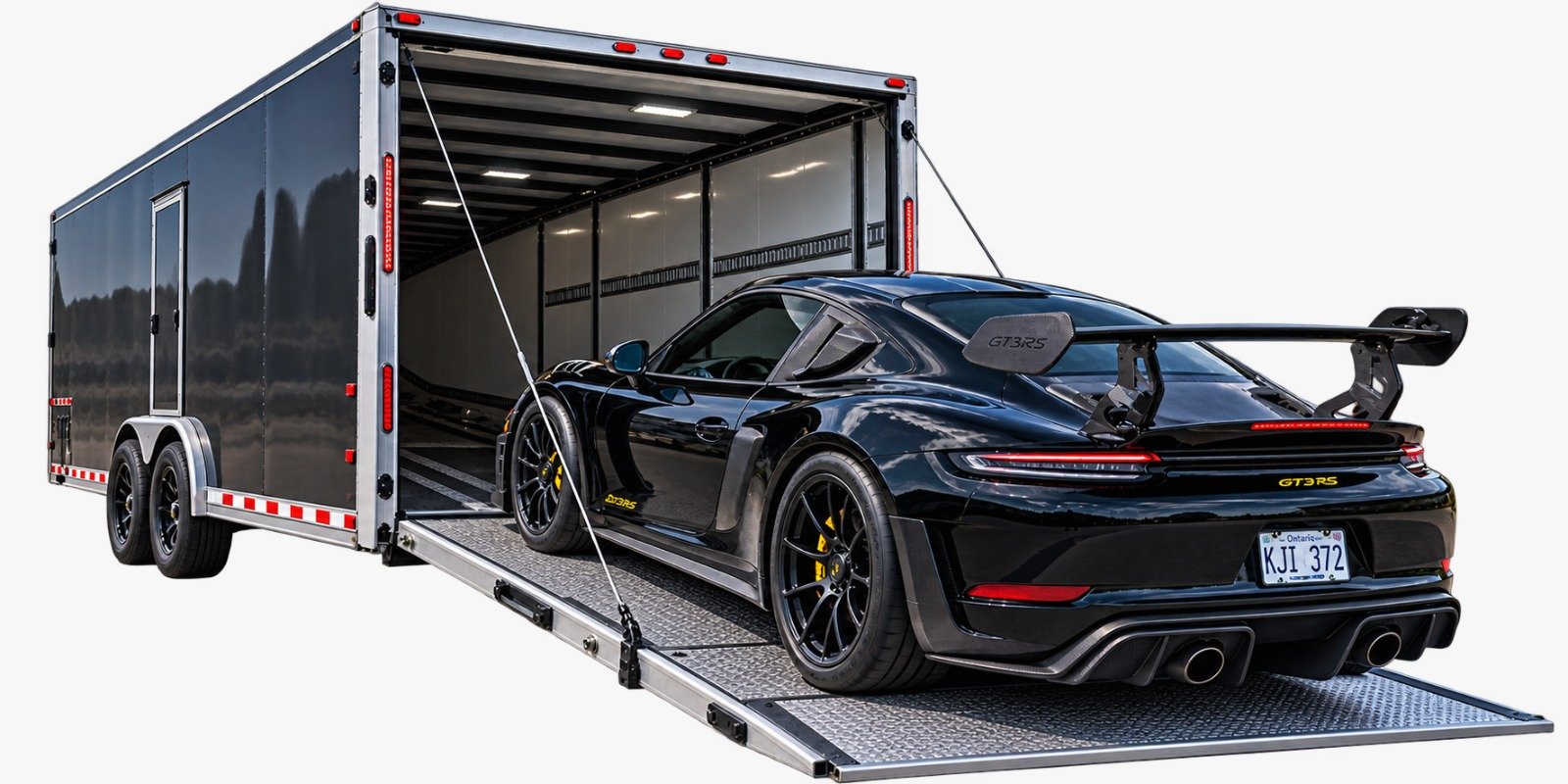
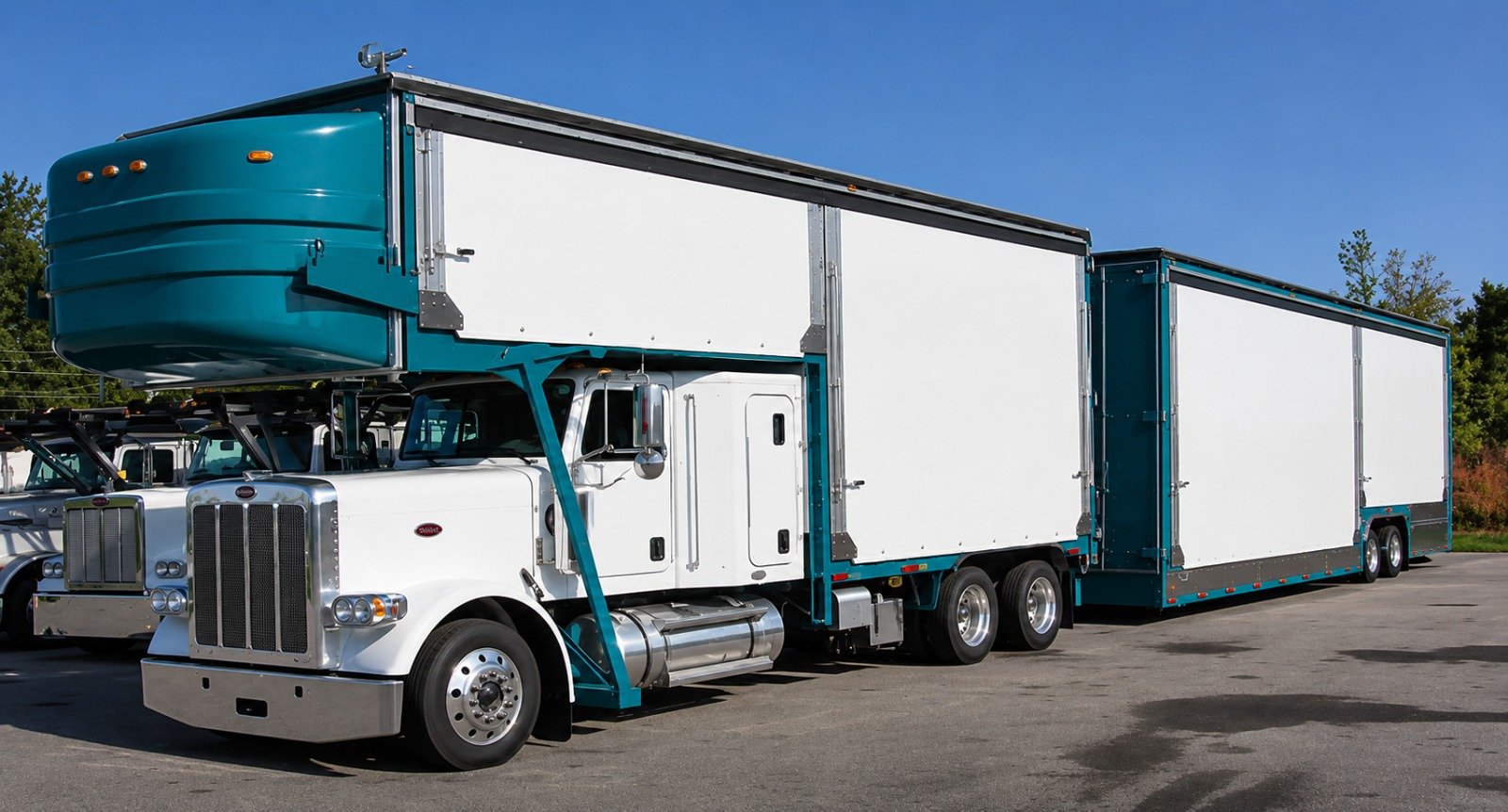
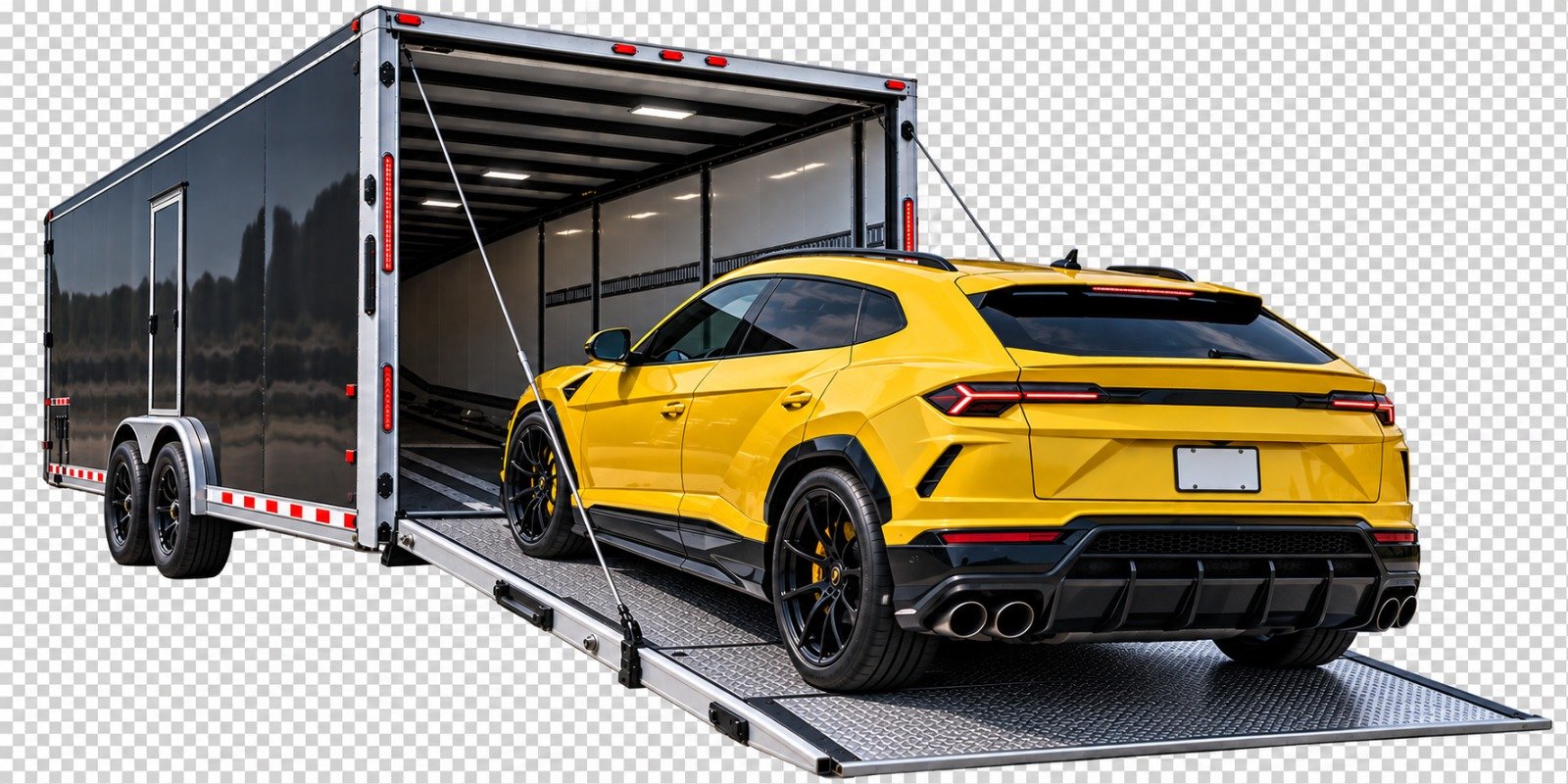
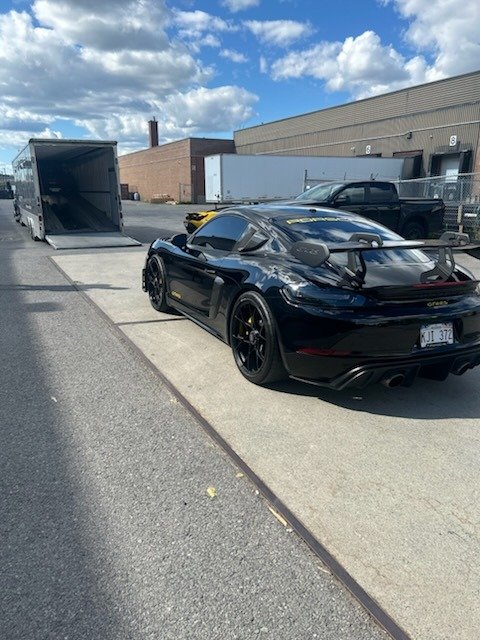
If you are transporting a high-value sports car, vintage classic, or low-clearance performance vehicle, combining door-to-door scheduling with an enclosed trailer offers the highest level of protection. Enclosed carriers use hydraulic liftgates rather than steep ramps, keeping your vehicle completely shielded from road debris, rain, and snow from driveway to driveway. For standard daily drivers, SUVs, and pickup trucks, open carrier transport remains the most widely available and economical way to ship across Canada.
Preparing Your Vehicle for Pickup and Delivery
Regardless of whether you choose doorstep pickup or terminal drop-off, proper preparation speeds up check-in and protects your coverage during transit. Before your scheduled pickup window, complete these essential steps:

- Wash the Exterior: Clean dirt and road grime off the body panels so you and the driver can accurately document any pre-existing stone chips or scuffs in clear lighting.
- Remove Personal Belongings: Clear loose items, electronics, and valuables from the cabin and trunk, as standard carrier cargo policies cover the vehicle itself rather than household goods.
- Keep Fuel Around a Quarter Tank: Leaving roughly one-quarter tank of fuel provides enough range for loading and unloading without adding unnecessary weight to the transport trailer.
- Verify Insurance & Registration: Keep copies of your valid provincial registration and personal auto policy handy, and confirm how your insurer—and guidance from organizations like the Insurance Bureau of Canada—applies during transit and storage.
- Disable Aftermarket Alarms & Toll Tags: Turn off sensitive motion alarms and remove electronic toll transponders so your vehicle does not trigger battery drain or accidental highway charges while riding on a carrier.
Frequently Asked Questions
Door-to-door car shipping picks up and delivers your vehicle directly at—or as close as safely accessible to—your specified residential or commercial addresses. Terminal-to-terminal car shipping requires you to drop off and pick up your vehicle at designated regional transport yards or rail terminals near major cities.
If narrow streets, low trees, parked cars, or municipal bylaws prevent a multi-vehicle tractor-trailer from reaching your front curb, the driver will arrange a safe, legal loading spot as close as possible—typically a wide avenue or nearby retail parking lot just minutes from your address.
Not always. While the base carrier rate can be lower, terminal-to-terminal shipping may include terminal handling fees, daily storage fees if you cannot pick up the vehicle immediately, and out-of-pocket costs for rideshares or fuel to reach outlying freight compounds. Comparing total door-to-door quotes side-by-side often reveals minimal price difference.
Yes. If you cannot be present at pickup or delivery, you can designate a trusted family member, friend, or dealership representative (18 years or older) to inspect the vehicle, sign the Bill of Lading, and hand over or receive the keys.
Yes. Door-to-door delivery is available for both open carriers and enclosed trailers. Luxury, classic, exotic, and collector car owners routinely select door-to-door enclosed shipping to combine maximum weather protection with direct driveway-to-driveway convenience.
Choosing Between Door-to-Door and Terminal Shipping
Comparing door-to-door vs terminal-to-terminal car shipping comes down to balancing personal convenience, route accessibility, and total landed cost. For most Canadians relocating between provinces or purchasing a vehicle from afar, door-to-door transport delivers unmatched ease, single-load handling, and transparent all-in pricing. Meanwhile, terminal-to-terminal shipping remains a practical alternative along major metro corridors when your travel schedule requires dropping off a vehicle ahead of departure.
Explore our nationwide Canadian car shipping coverage to see how Optixtrace coordinates open, enclosed, and rail transport options tailored to your exact origin and destination.
Looking to Ship Your Vehicle Across Canada?
Tell us your pickup city, destination, and preferred delivery style. Our Canadian auto transport specialists will coordinate a transparent, reliable shipping plan tailored to your timeline and vehicle.
Get a Free Car Shipping Quote