Shipping a vehicle across Canada involves thousands of kilometres of varied terrain, unpredictable weather, and changing highway conditions. When comparing shipping methods, one of the first questions vehicle owners, dealerships, and collectors ask revolves around the enclosed car shipping cost—and whether paying more for a covered trailer makes practical financial sense.
Understanding how enclosed auto transport works, what drives the price difference between covered and open trailers, and which vehicles genuinely benefit from added shielding helps you make an informed decision without overspending on unnecessary upgrades or under-protecting a prized asset.
What Is Enclosed Car Shipping and How Does It Work?
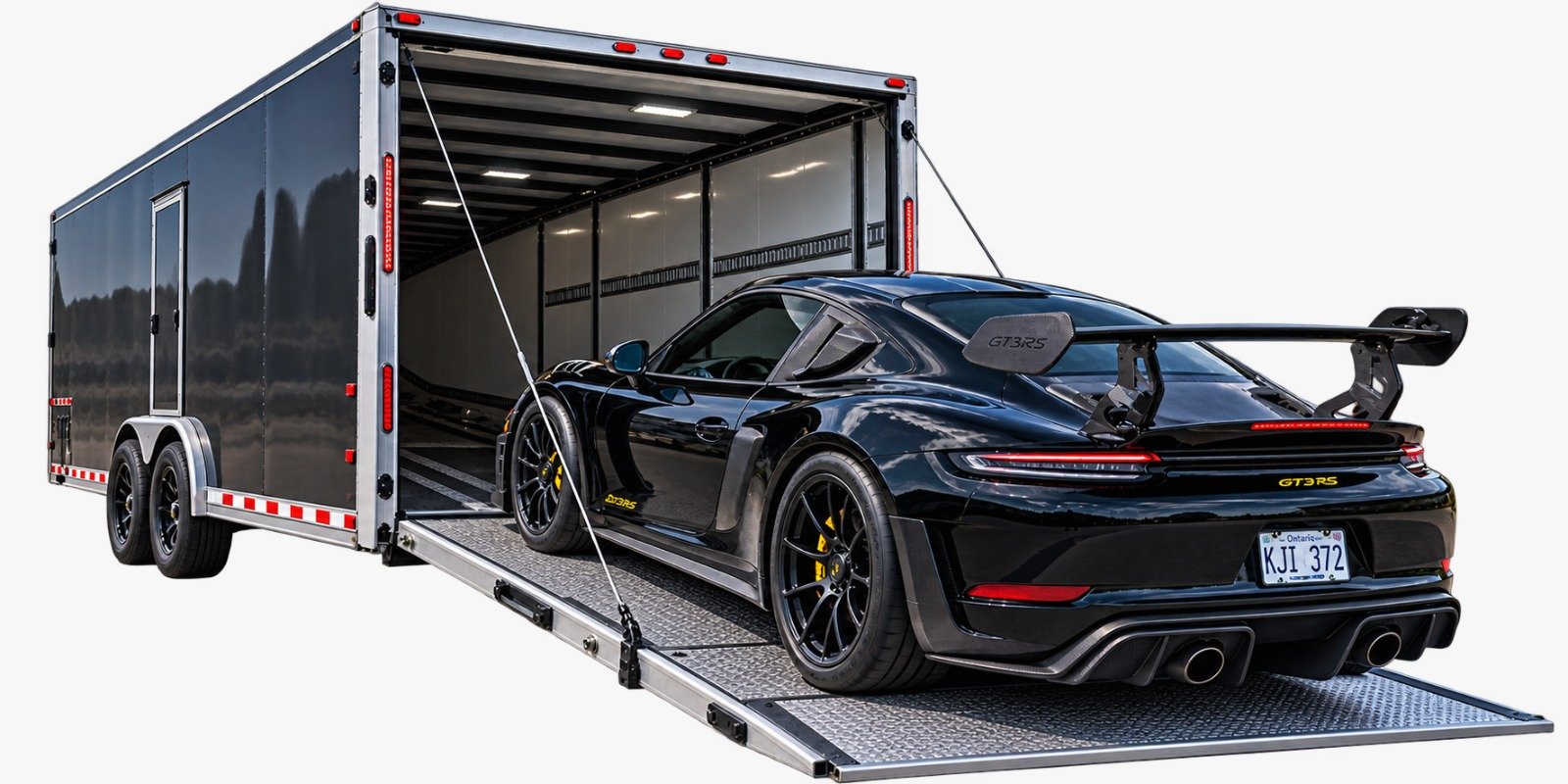
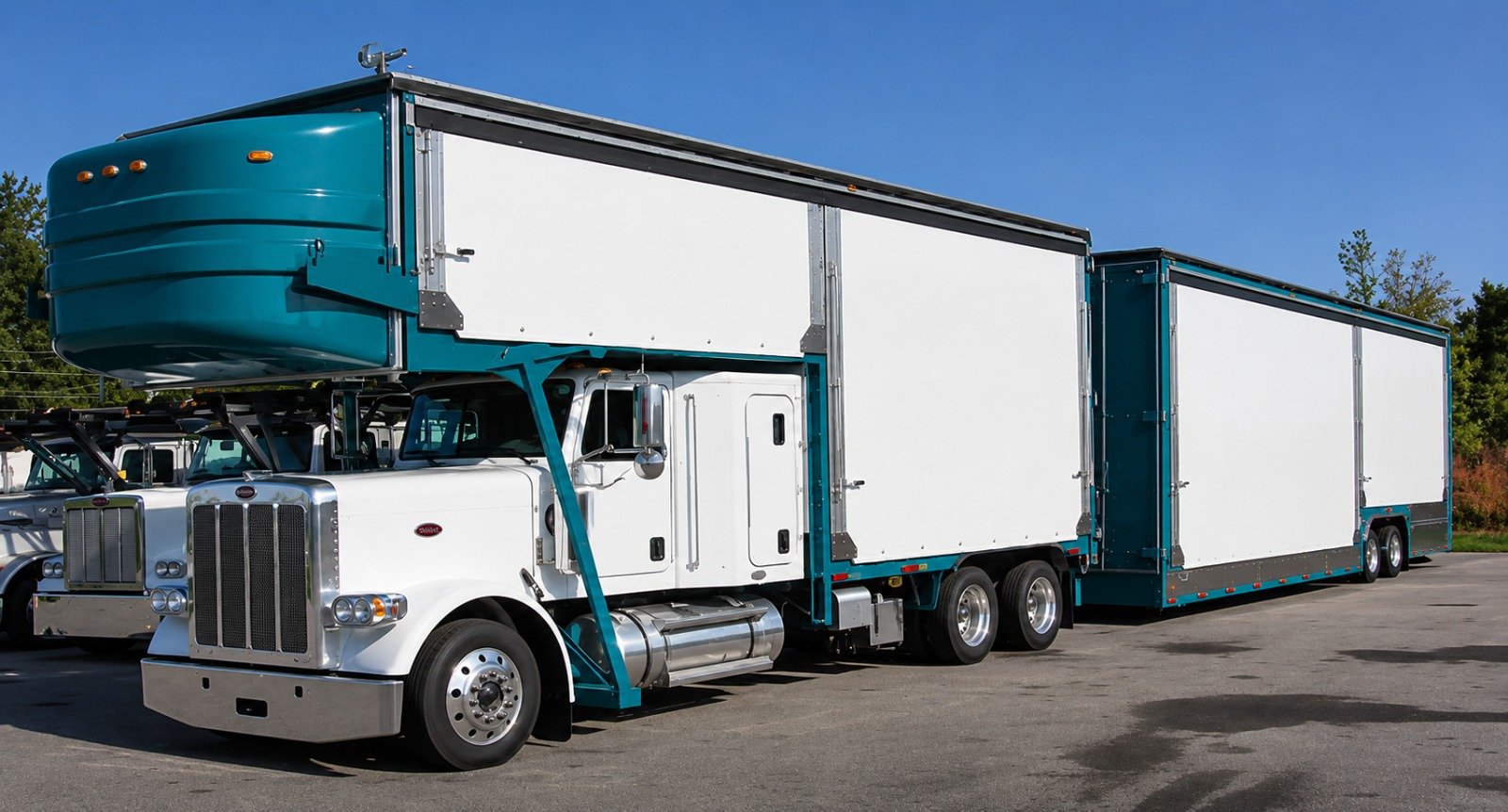
Enclosed car shipping is a specialized method of vehicle transportation in which automobiles are loaded inside a fully covered, hard-sided or soft-sided trailer rather than travelling on an open-air multi-vehicle rack. Through Optixtrace enclosed auto transport services, vehicles remain completely shielded from external elements from pickup to delivery.
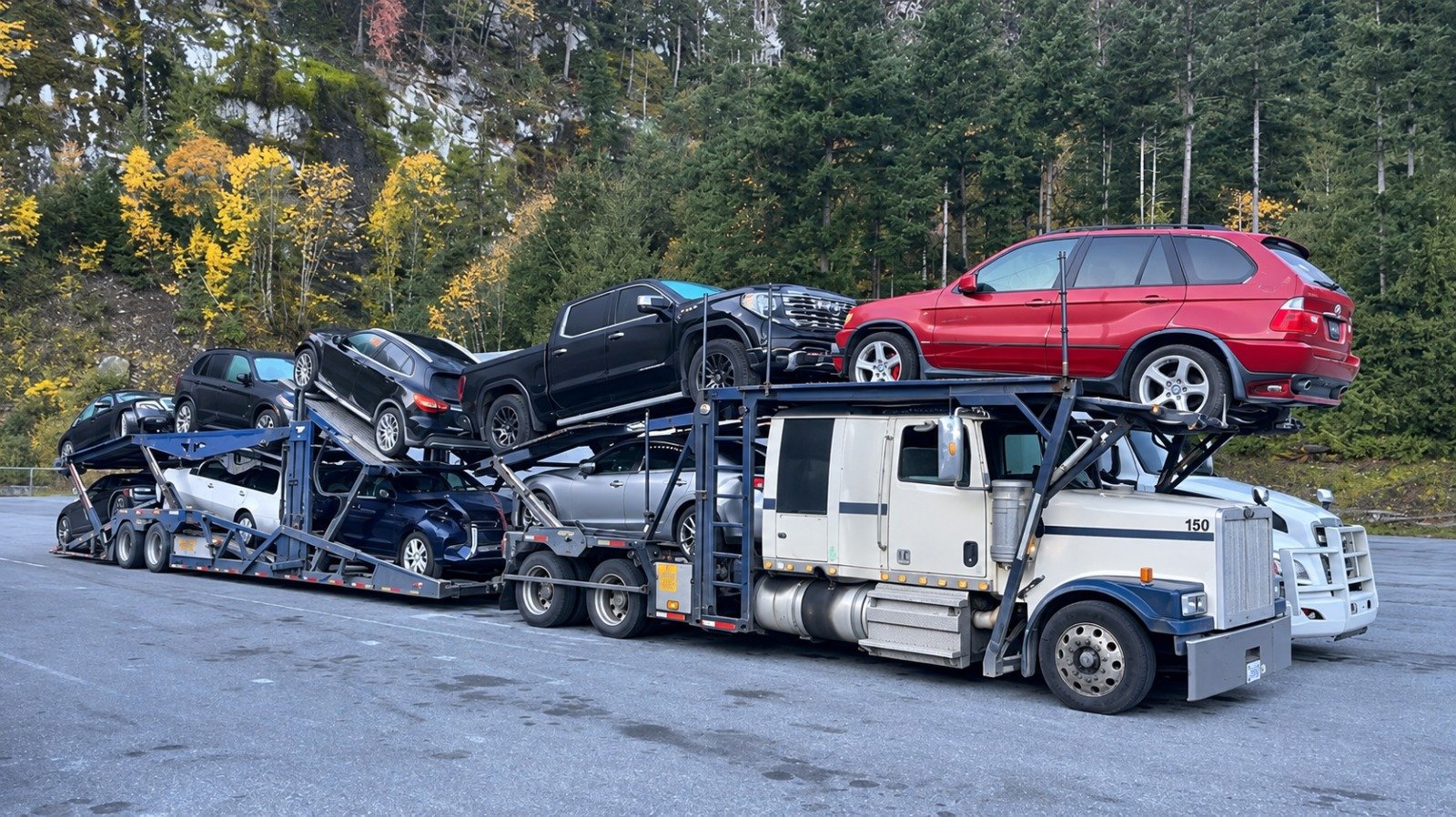
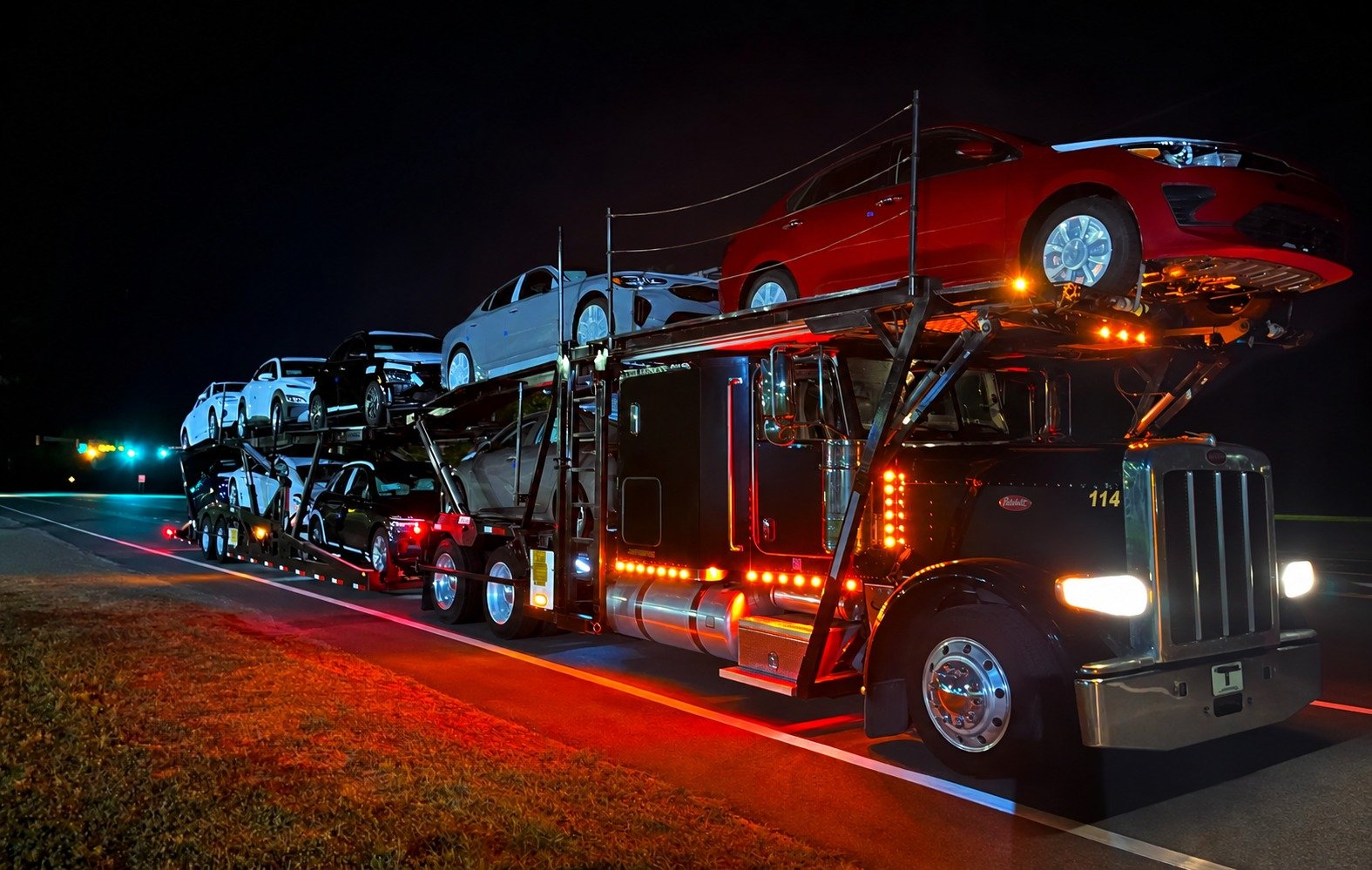
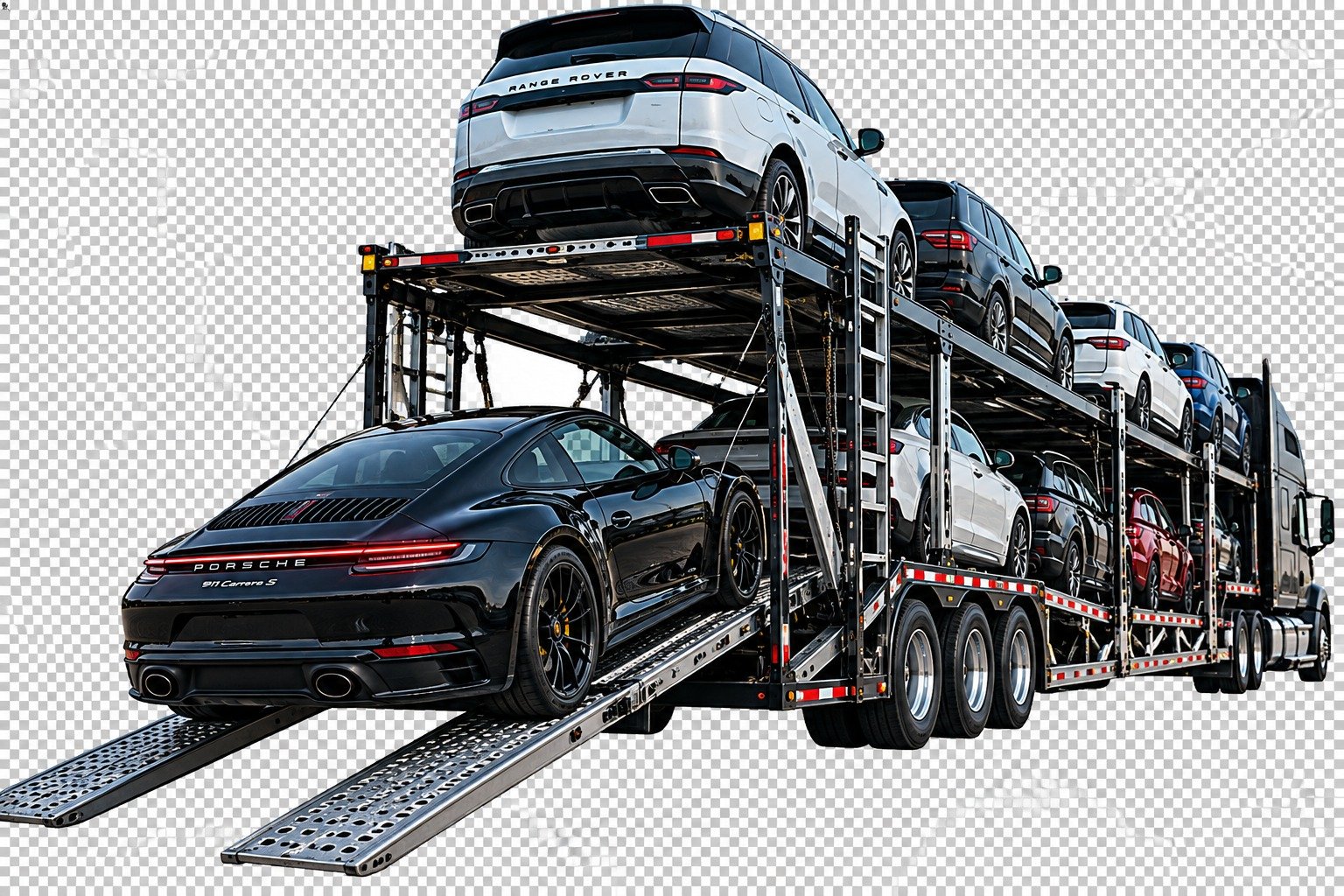
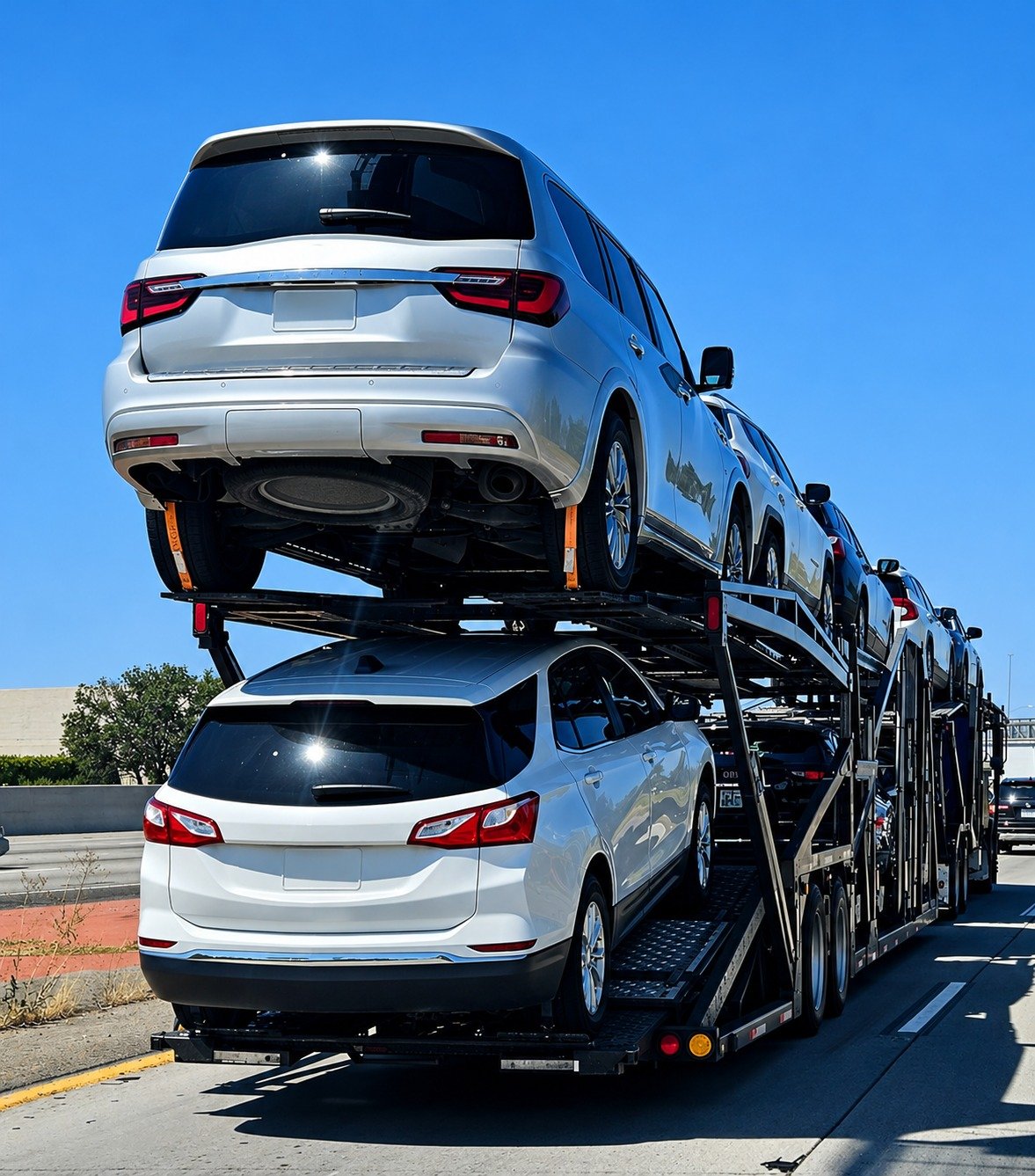
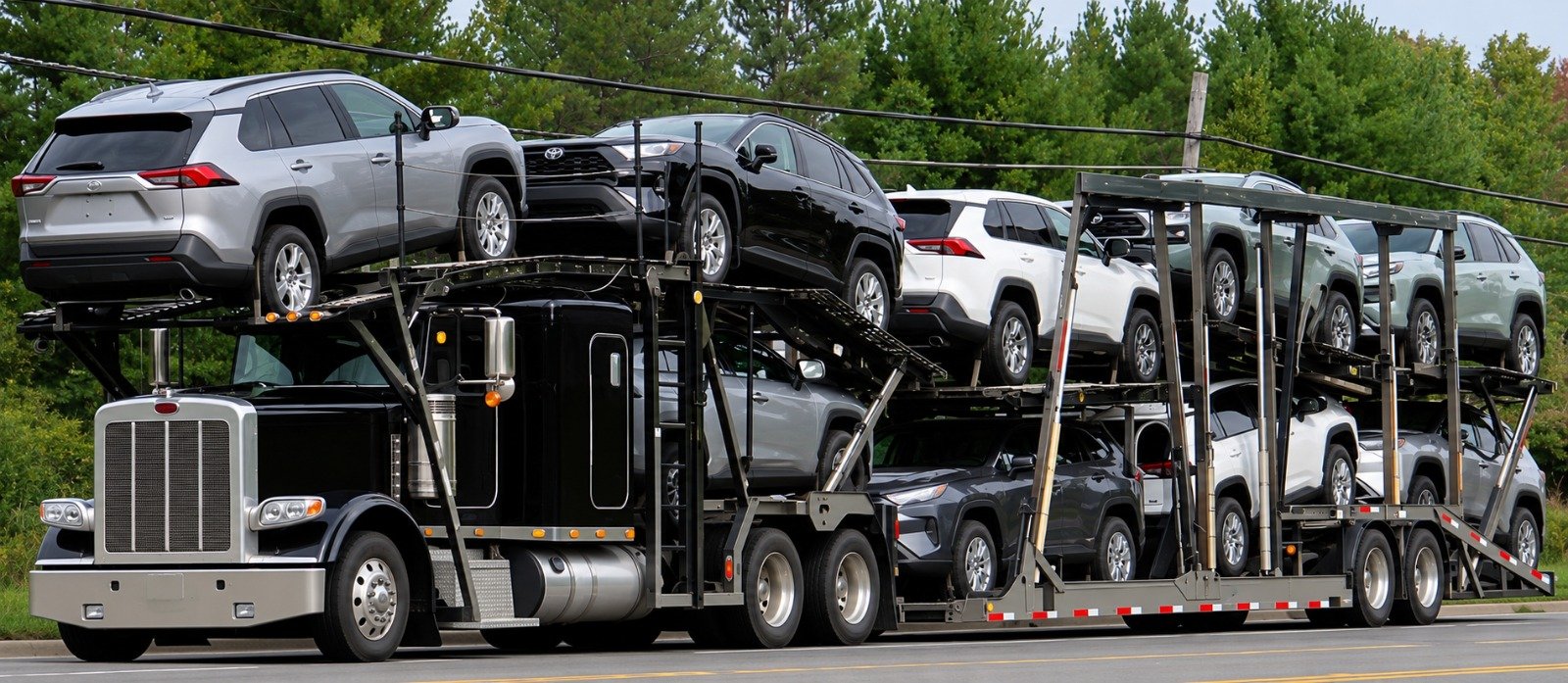
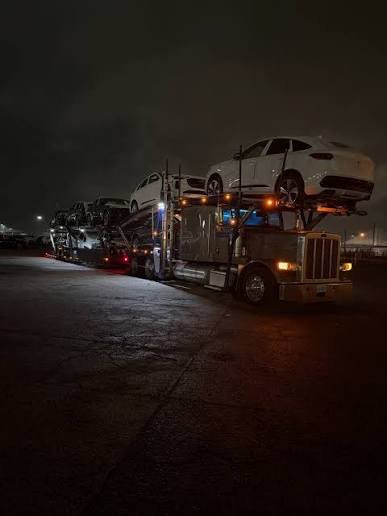
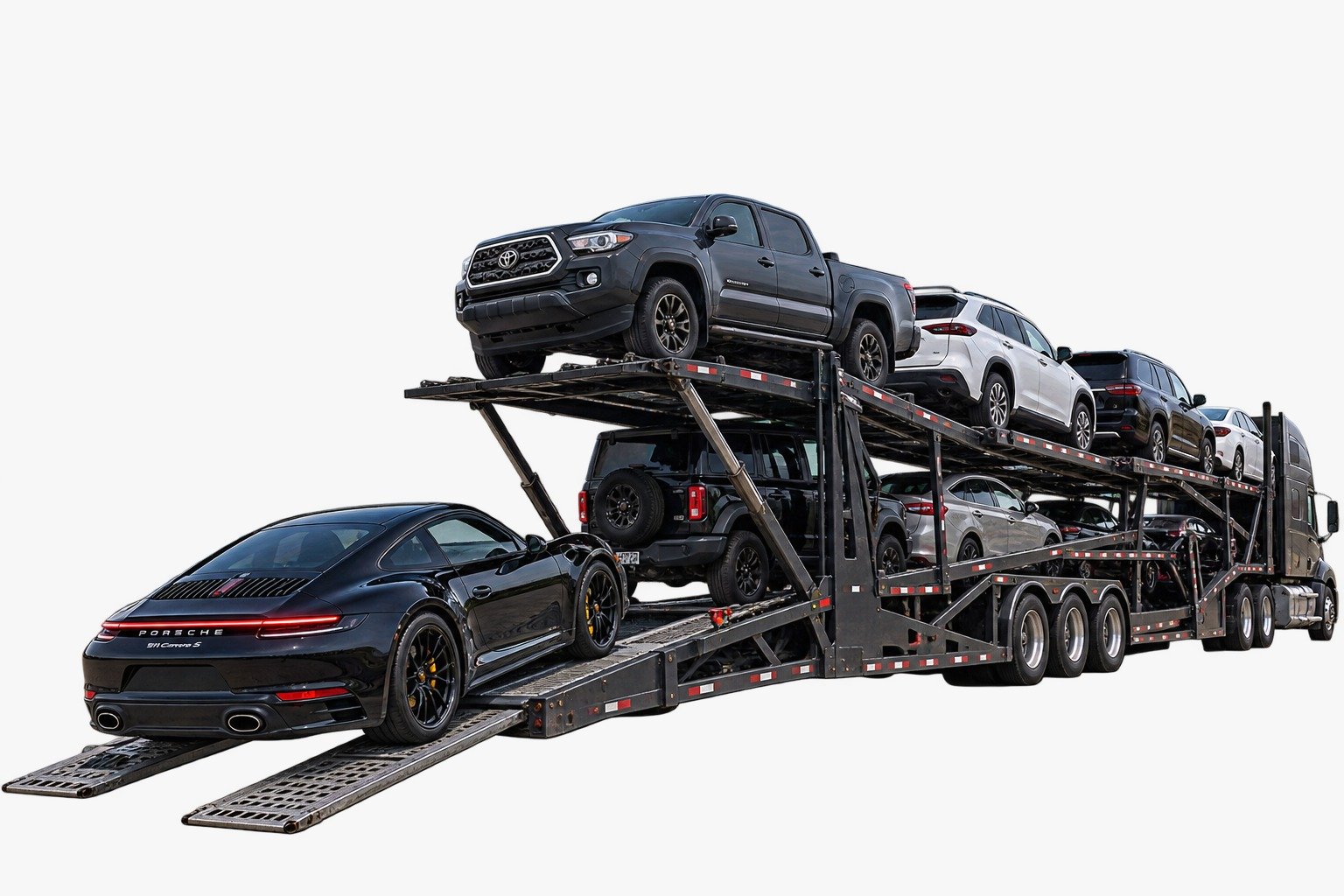
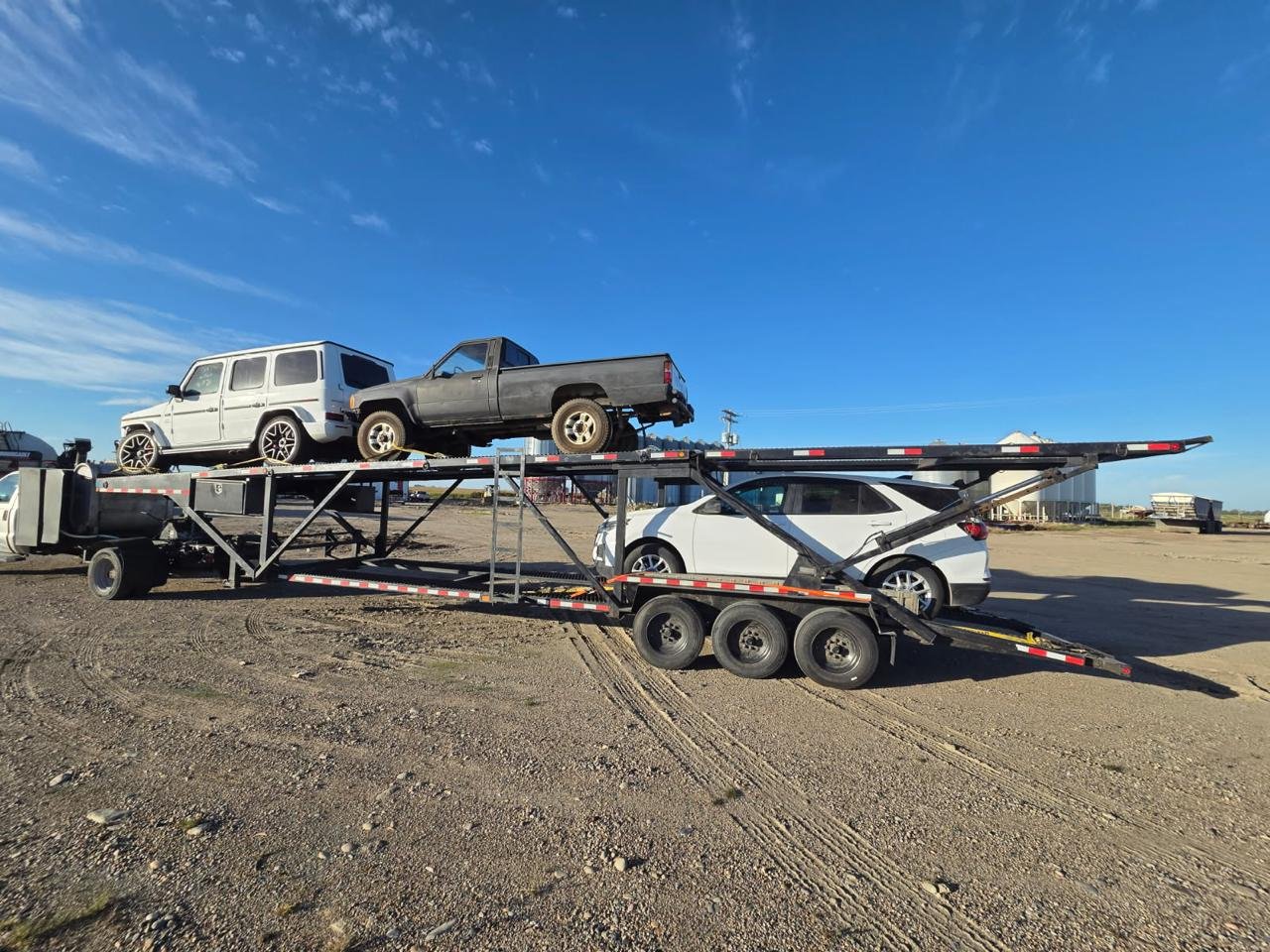
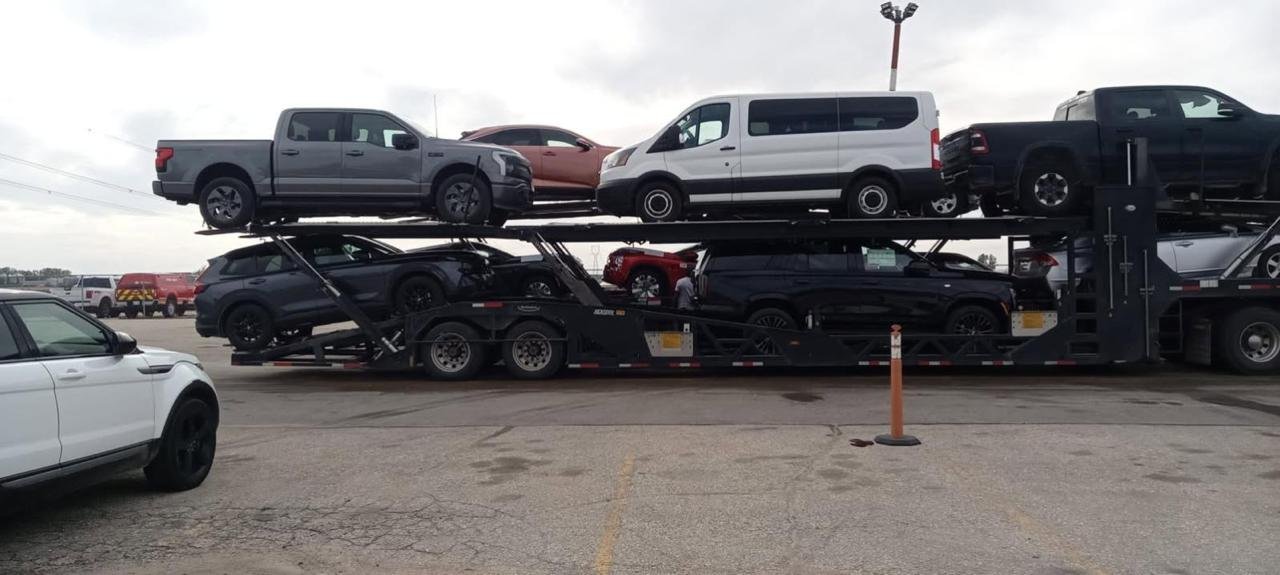
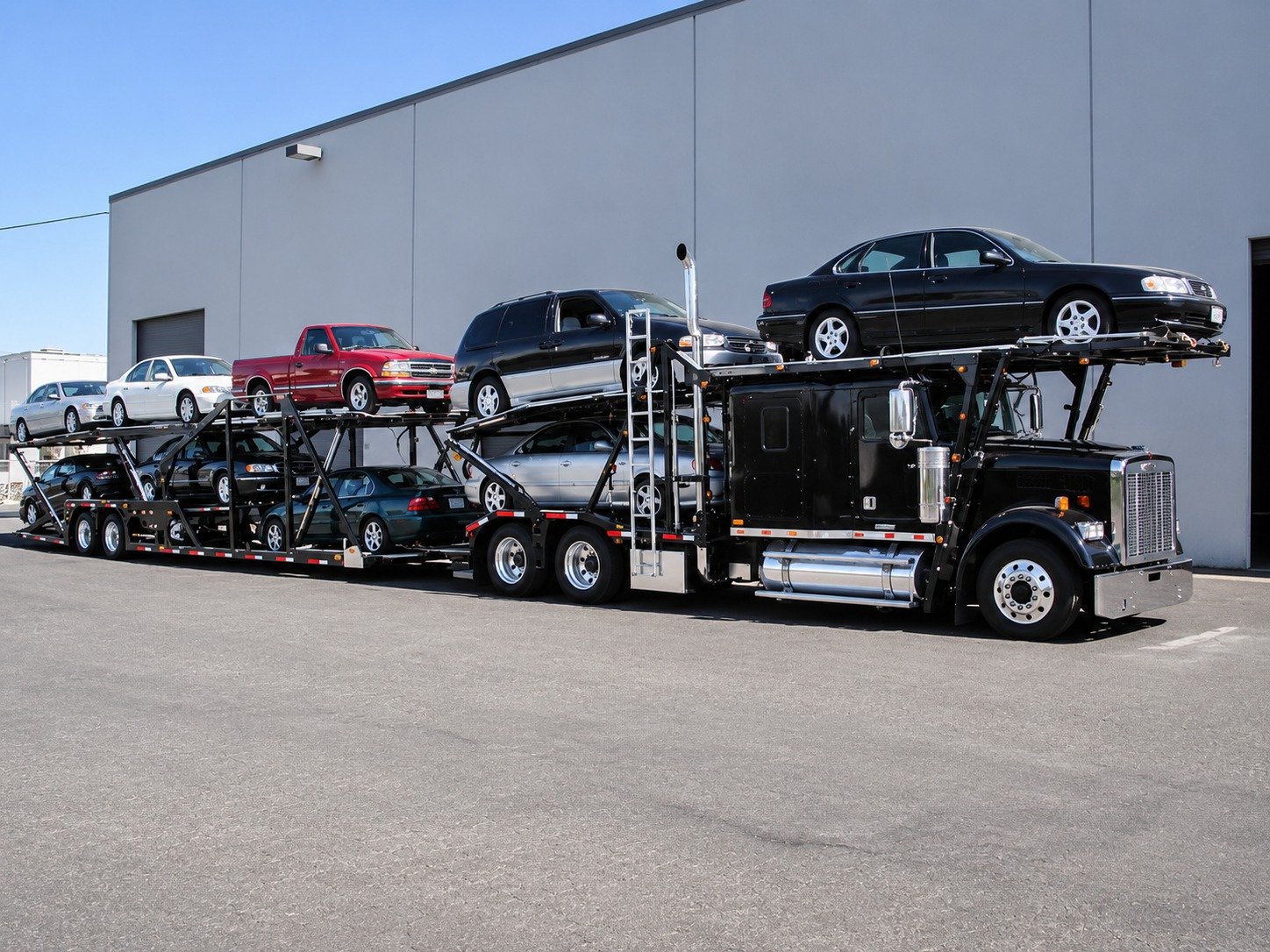
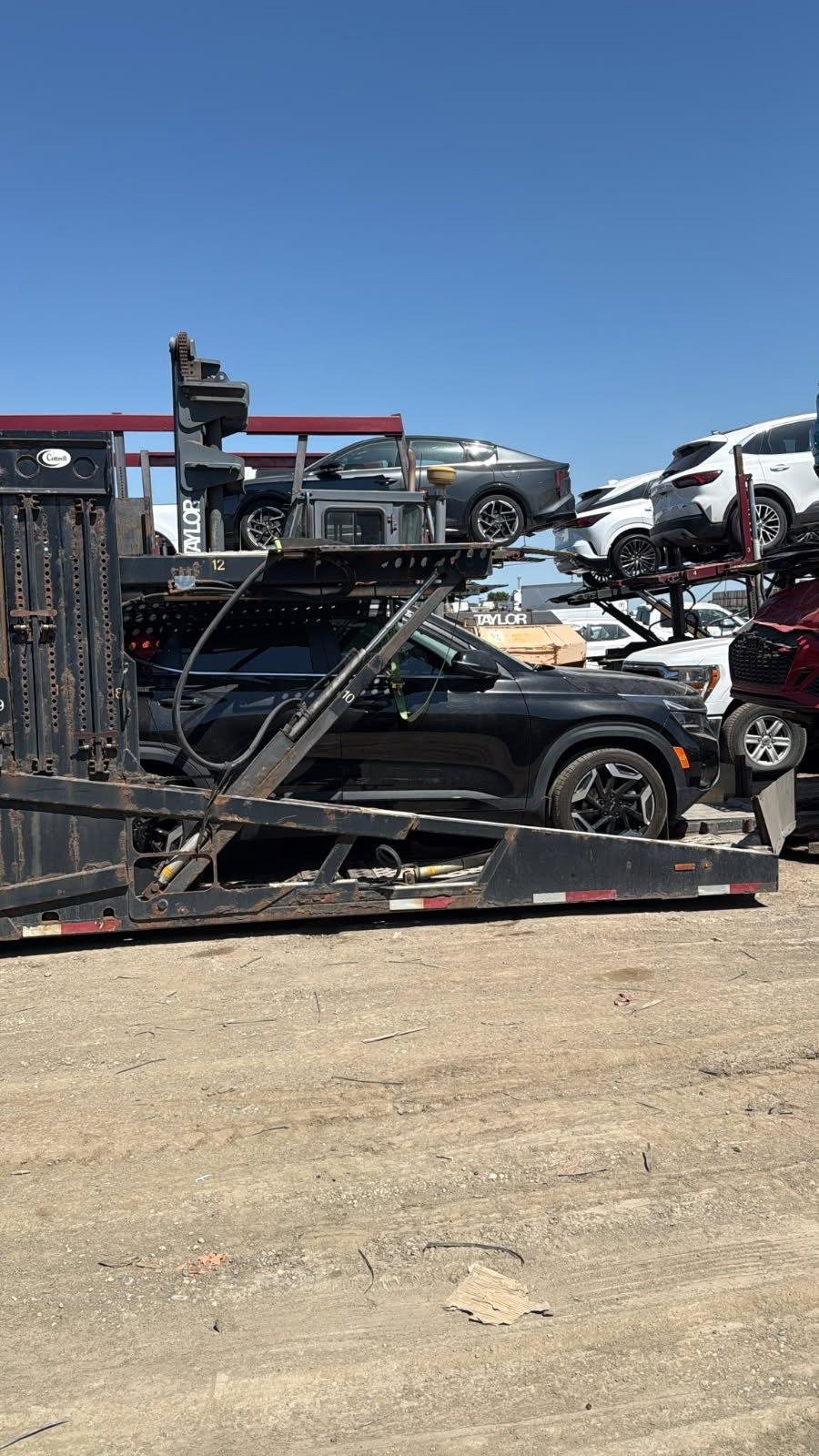
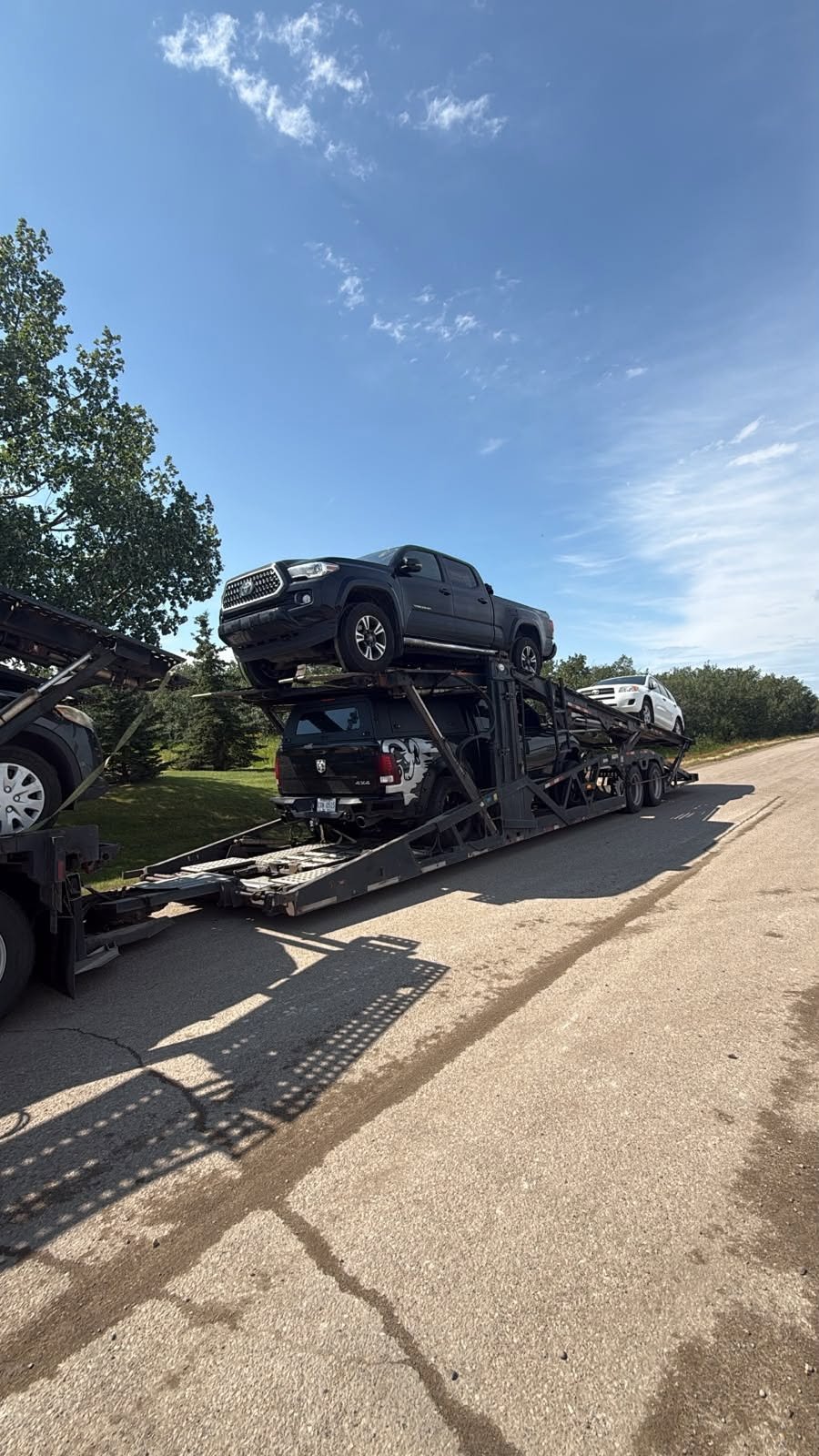
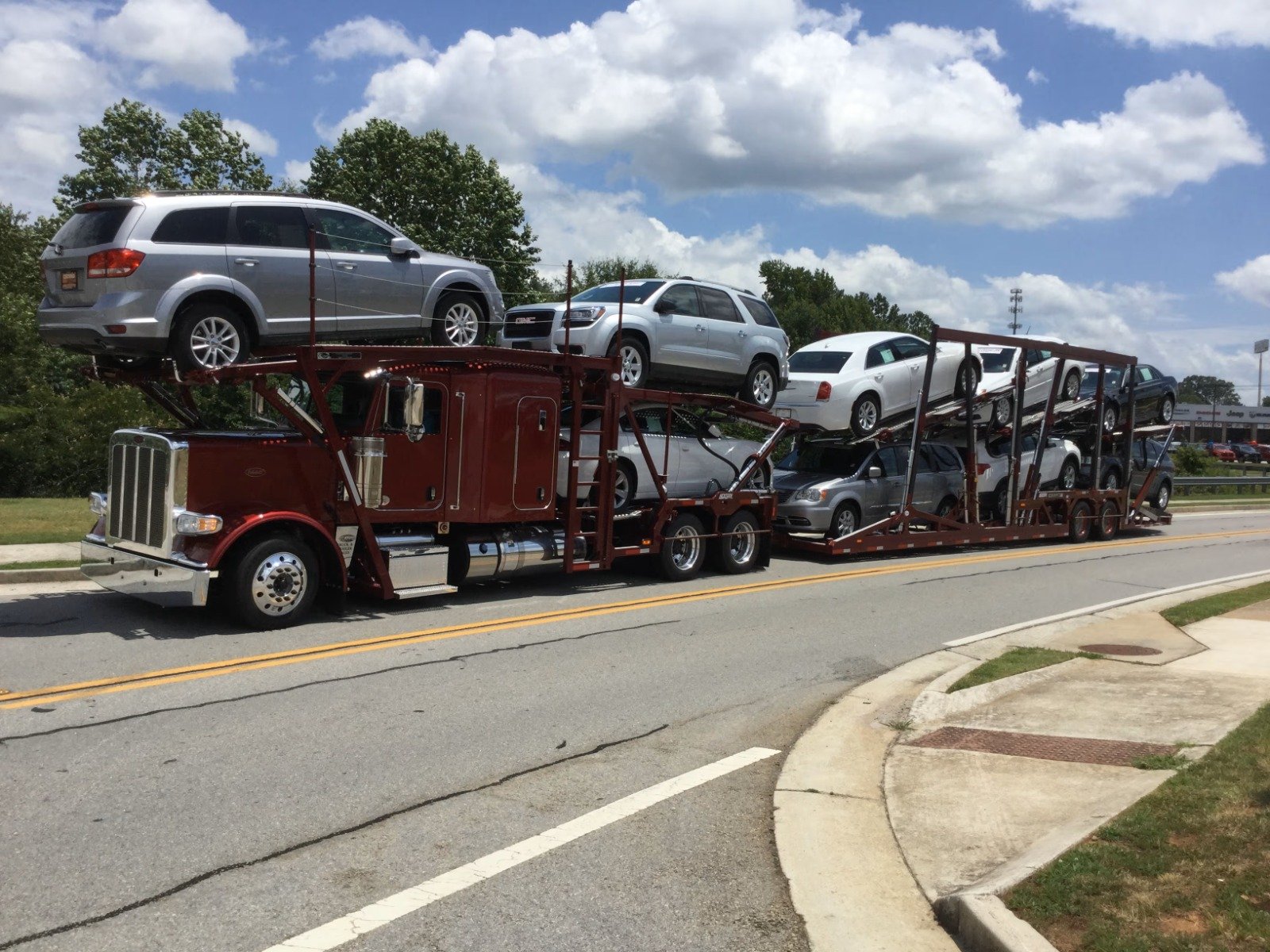
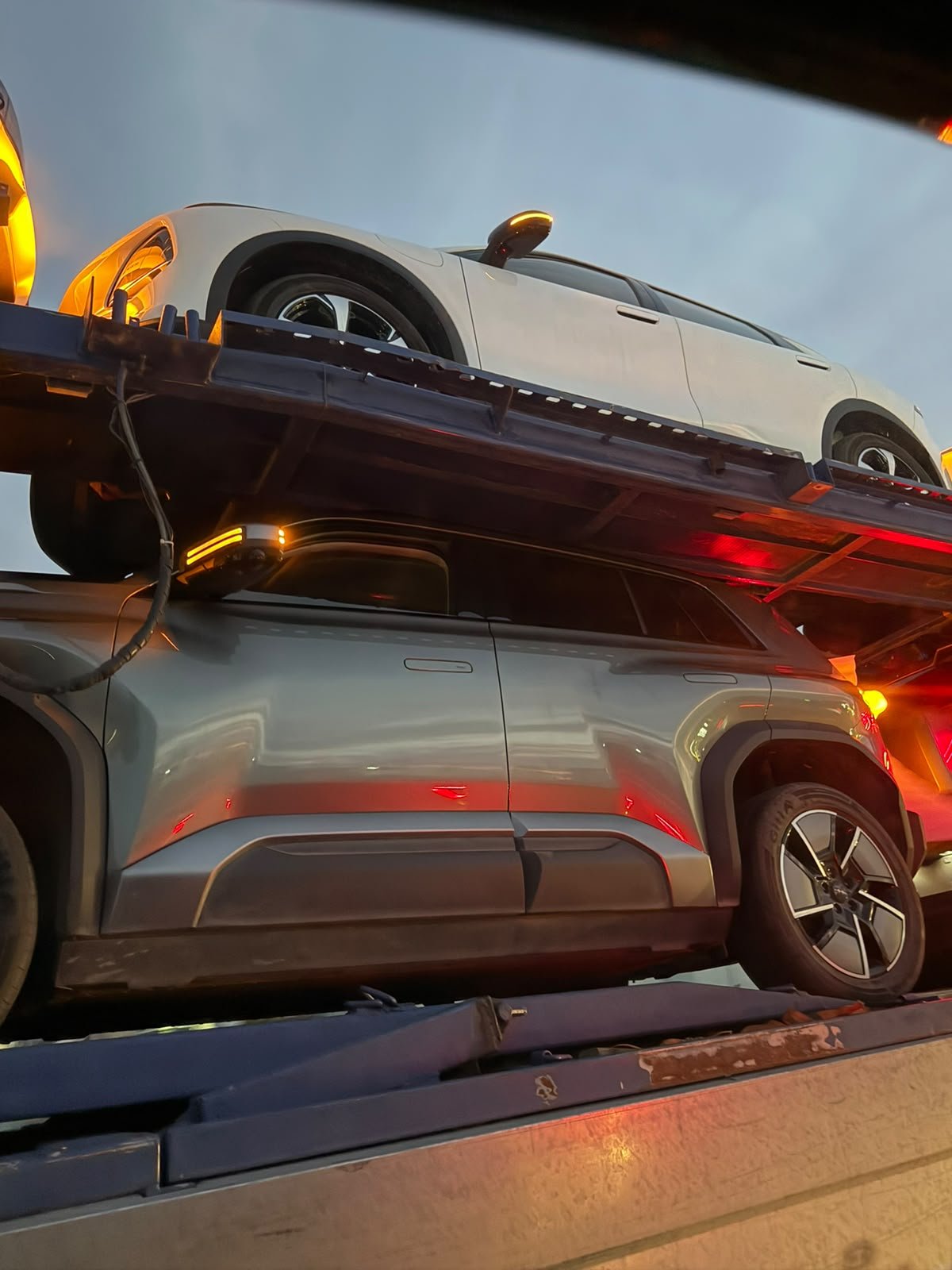
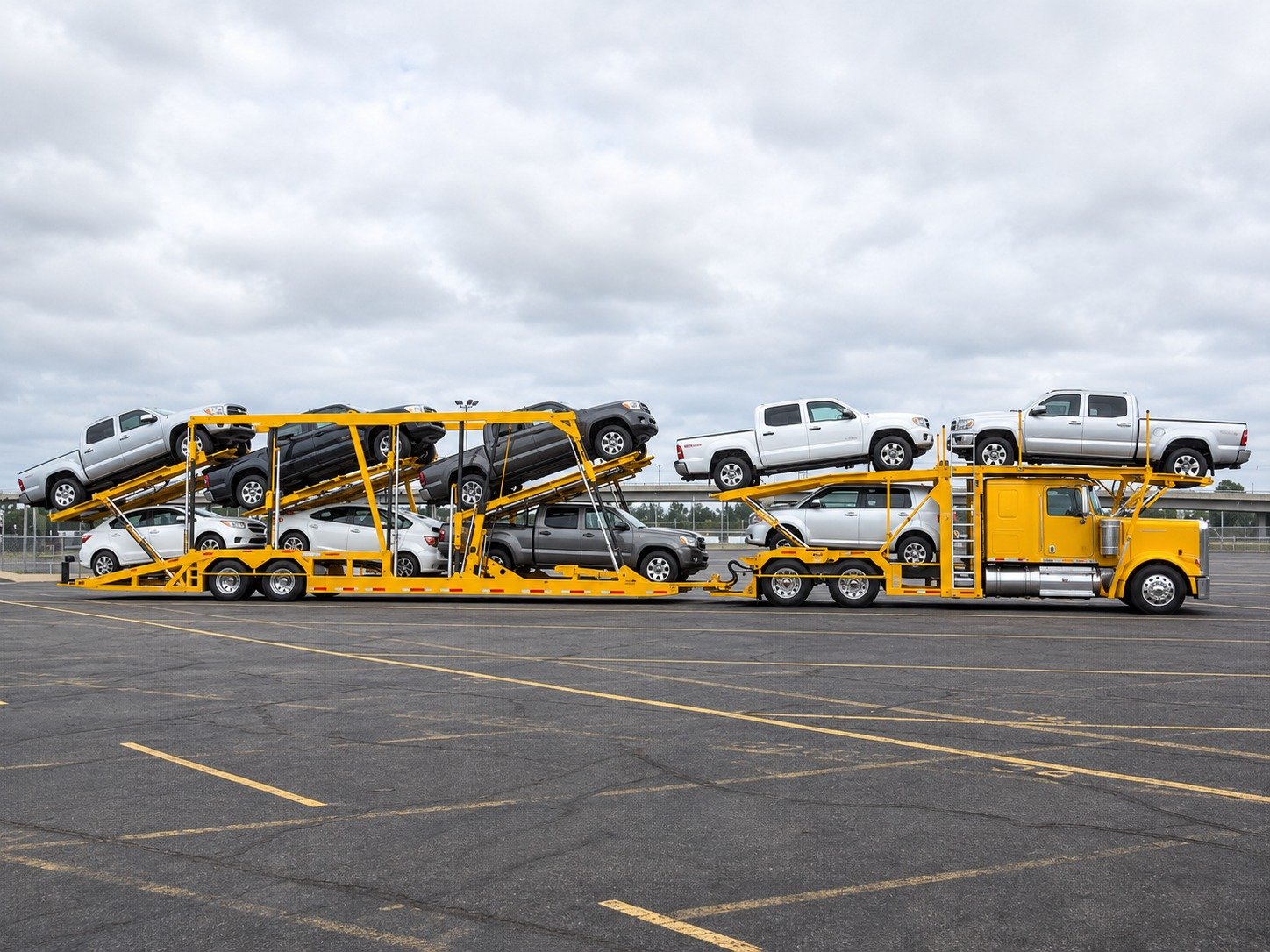
Unlike standard multi-level carriers that haul seven to ten vehicles exposed to the open air, an enclosed car carrier typically transports between one and six vehicles at a time. This smaller capacity allows for wider spacing between cars, specialized wheel-chock or soft-strap tie-down systems, and hydraulic liftgates designed for low ground clearance.
Hard-Sided Enclosed Trailers
Constructed with solid aluminum or composite walls and roofs, hard-sided trailers deliver maximum structural protection against flying gravel, hail, snow, and dust during long-haul interprovincial transit.
Hydraulic Liftgate Loading
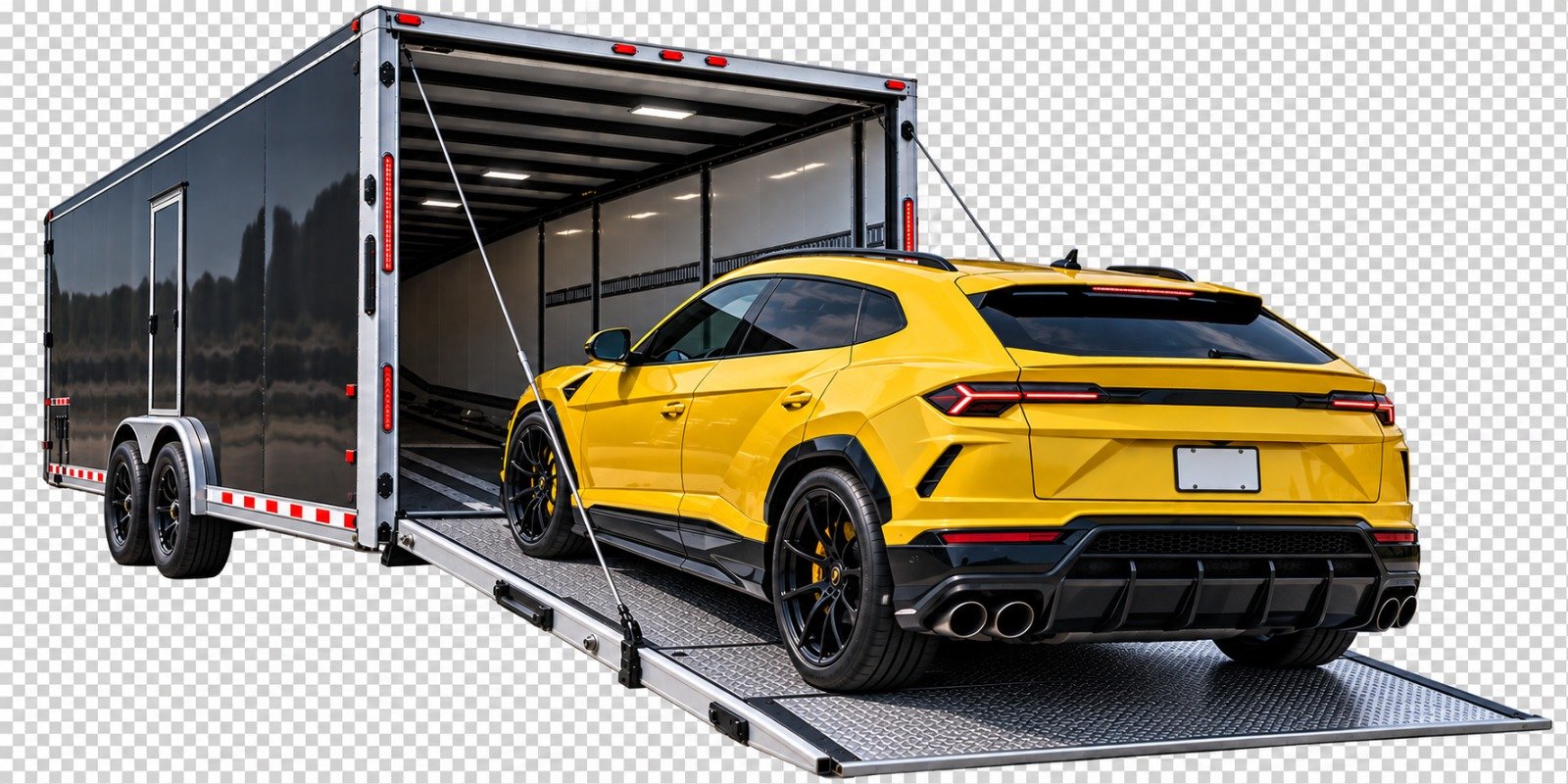
Instead of driving up steep angled ramps that risk scraping front splitters or exhaust systems, hydraulic liftgates raise vehicles horizontally onto the trailer deck, keeping them level throughout loading and unloading.
How Much Does Enclosed Car Shipping Cost in Canada?
When budgeting for vehicle relocation, the cost of enclosed auto transport is noticeably higher than standard open-carrier shipping. Across Canada, enclosed car shipping typically costs roughly 30% to 60% more than open transport for the exact same route and timeframe, though the exact spread depends on distance, trailer availability, and seasonal demand.
Rather than relying on flat guesses, carriers calculate vehicle shipping rates using several operational variables:
- Distance and Corridor Demand: Major highway corridors such as Toronto to Vancouver car shipping benefit from regular carrier traffic, whereas remote northern communities or smaller regional towns require dedicated routing and additional deadhead kilometres.
- Lower Trailer Capacity: Because an enclosed car carrier holds fewer vehicles than an open multi-car hauler, fixed operating expenses—fuel, commercial insurance, driver hours, and equipment maintenance—are divided among fewer customers.
- Vehicle Dimensions and Weight: Oversized luxury SUVs, wide-body sports cars, and heavy collector vehicles occupy more floor space and payload capacity inside a fully enclosed trailer.
- Seasonal Weather Windows: Demand for enclosed vehicle transport surges in late autumn and spring when snowbirds relocate, collectors move vehicles between storage facilities, and winter road salt hits major highways.
- Pickup and Delivery Format: Choosing enclosed door-to-door vehicle delivery offers direct convenience, while terminal-to-terminal options can sometimes reduce final scheduling costs on select corridors.
Book Early for Specialized Equipment: Enclosed carriers represent a smaller share of Canada's commercial auto transport fleet than open haulers. Requesting your quote two to four weeks ahead of your target shipping date gives dispatchers far better flexibility to match your vehicle with an optimal route.
Open vs. Enclosed Car Shipping: Key Differences Compared
Comparing open car transport services against enclosed vehicle transport comes down to balancing budget efficiency against maximum environmental shielding. Both methods use professional commercial drivers, documented vehicle condition inspections, and regulated cargo insurance—as outlined by Transport Canada commercial motor carrier standards—but the equipment experience differs considerably.
| Comparison Factor | Open Car Transport | Enclosed Car Shipping |
|---|---|---|
| Relative Pricing | Most economical option for standard vehicles | Higher rate (typically 30%–60% above open transport) |
| Weather & Debris Shielding | Exposed to rain, snow, road salt, dust, and pebbles | Complete four-wall and roof protection from all elements |
| Loading Mechanism | Inclined steel ramps suitable for standard clearance | Hydraulic liftgates or low-angle ramps for low clearance |
| Carrier Capacity | 7 to 10 vehicles per multi-level carrier | 1 to 6 vehicles per enclosed trailer |
| Scheduling Availability | High frequency across major Canadian routes | More specialized scheduling; advance booking recommended |
| Ideal Vehicle Types | Daily drivers, family SUVs, standard fleet units | Luxury, exotic, classic, restored, and collector cars |
For long-distance moves across central and western provinces, some vehicle owners also explore Canadian rail auto transport for standard daily drivers. While rail moves vehicles inside enclosed railcars on major terminal corridors, enclosed highway transport offers direct residential or dealership access without multiple terminal transfers.
When Should You Choose Enclosed Car Shipping?
Is enclosed auto transport better than open transport? Technically, it provides superior physical shielding—but "better" depends on the vehicle you are moving. Paying extra for an enclosed trailer delivers clear value in several specific scenarios.
1. Luxury, Exotic, and High-Performance Vehicles
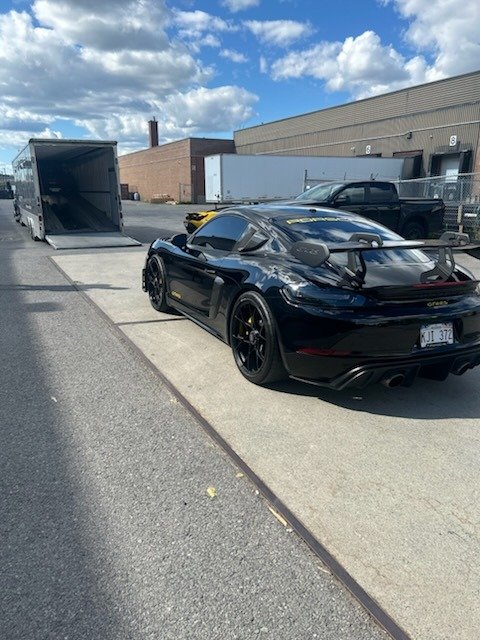
Modern luxury sedans, supercars, and high-end sports coupes feature low front splitters, carbon-fibre aero components, soft performance tires, and multi-stage paint finishes. Luxury vehicle transportation inside an enclosed carrier eliminates the risk of highway stone chips and prevents steep ramp contact during loading.
2. Classic, Vintage, and Collector Automobiles
Classic cars often lack modern weatherstripping, rust-proofing, or replacement body panels. Even minor moisture intrusion or road grime can complicate preservation or restoration work. Enclosed vehicle transport keeps collector cars dry, clean, and shielded from road spray throughout transit.
3. Custom Builds, Show Cars, and Fresh Paintwork
Vehicles with newly cured custom paint, vinyl wraps, or delicate matte finishes require protection from abrasive dust, tree sap, and highway debris. Arriving at an auction, private buyer, or concours event inside a clean, enclosed trailer avoids immediate detailing or paint correction expenses.
4. Out-of-Province Dealership Purchases and Specialty Fleet Moves
When buyers purchase a rare or high-value vehicle from another province, Optixtrace Car Shipping coordinates safe transit directly from the selling dealership or private seller to the buyer's driveway. Dealerships transferring flagship inventory between showrooms also rely on enclosed carriers to preserve showroom condition.
Why Canadian Weather and Highway Conditions Matter
Evaluating enclosed car shipping cost in Canada requires looking closely at geography. Transporting a vehicle from British Columbia through the Rocky Mountains, across the Prairies, around Northern Ontario, and into Quebec or Atlantic Canada exposes cargo to dramatic climate shifts within a single trip.
- Winter Road Salt and De-Icing Brine: Between November and April, provincial highway crews apply rock salt, magnesium chloride, and sand across major routes. On an open carrier, road spray coats undercarriage components and exterior panels for days at a time.
- Spring Gravel and Frost Heaves: Once snow melts, leftover traction gravel on highways like the Trans-Canada Highway increases the likelihood of kicked-up pebbles hitting exposed windshields and bumpers.
- Sudden Prairie Hail and Mountain Storms: Checking conditions on Environment and Climate Change Canada highlights how rapidly hailstorms or freezing rain can develop across Alberta, Saskatchewan, and mountain passes. A solid roof and walls prevent hail dents entirely.
- Highway Construction Zones: Summer paving and infrastructure repairs across Ontario, Quebec, and Western Canada frequently route traffic past loose aggregate and fresh tar.
For regional shipments along high-traffic western corridors—such as Calgary to Vancouver car shipping—mountain elevation changes mean a vehicle can depart in dry sunshine and encounter heavy snow or wet slush hours later. Enclosed transport removes weather unpredictability from the equation.
How to Decide If the Extra Cost Is Worth It for Your Vehicle
If you are still weighing the enclosed vs. open car shipping price difference, walk through these four practical questions before booking:
- What is the replacement or repair cost of exterior trim and paint? If repairing a single rock chip on a specialty metallic finish, replacing a carbon-fibre lip, or detailing a vintage convertible costs more than the enclosed price premium, enclosed transport pays for itself immediately.
- Does the vehicle have less than five inches of ground clearance? Low-slung sports cars and modified suspension setups frequently require hydraulic liftgate loading, which is standard on dedicated enclosed carriers.
- What season are you shipping in? During mild summer weather, a standard daily-driver SUV travels safely on an open carrier. During peak winter salt season or spring gravel conditions, enclosed protection carries much higher practical value.
- Are you shipping a daily commuter or an investment-grade asset? Practical family vehicles built for year-round Canadian driving are engineered to handle highway weather, whereas collectible, luxury, and low-mileage vehicles hold higher resale value when kept pristine.

You can also review Insurance Bureau of Canada guidance on auto coverage and confirm cargo liability limits with your transport coordinator before dispatch so your peace of mind matches your vehicle's valuation.
Frequently Asked Questions About Enclosed Car Shipping
For most everyday sedans, crossovers, and pickup trucks built for regular highway driving, open car transport is usually the most cost-effective choice. Enclosed shipping is generally reserved for luxury, classic, exotic, freshly painted, or sentimental vehicles where preventing any exposure to road debris and weather justifies the higher rate.
In Canada, enclosed auto transport typically costs between 30% and 60% more than open transport on the same route. The exact difference depends on total distance, vehicle size, seasonal demand, and carrier availability along your pickup and delivery corridors.
Because fewer enclosed carriers operate across Canada compared to open multi-car haulers, dispatch windows can require slightly more advance notice—especially outside major metropolitan hubs. Booking two to four weeks in advance helps secure your preferred pickup window.
Professional enclosed carriers use soft over-the-wheel nylon straps and E-track floor chocks rather than metal hooks attached to suspension components. This secures the vehicle firmly by its tires while allowing the suspension to travel naturally without chassis stress.
Commercial auto transport regulations and cargo insurance policies strictly cover the vehicle itself rather than household goods. While some carriers permit a small amount of lightweight personal items secured below window level in the trunk, you should confirm specific weight and item rules with your Optixtrace coordinator prior to pickup.
Making the Right Choice for Your Canadian Vehicle Shipment
Evaluating enclosed car shipping cost comes down to matching the level of protection to the value, clearance, and condition of your vehicle. While open transport remains a dependable, budget-friendly solution for everyday cars and SUVs, enclosed auto transport delivers unmatched defence against Canadian winter salt, highway gravel, severe weather, and steep loading angles.
If you are relocating a luxury automobile, classic collector car, exotic sports model, or newly purchased out-of-province vehicle, investing in a fully enclosed trailer safeguards both appearance and long-term value from pickup to delivery. Reviewing transparent pricing for both options side by side makes it easy to choose with confidence.
Looking to Ship Your Vehicle Across Canada?
Whether you need full weatherproof protection in an enclosed trailer or economical open-carrier transport, Optixtrace coordinates reliable coast-to-coast vehicle delivery tailored to your schedule.
Get a Free Car Shipping Quote