Whether you are relocating from British Columbia to Ontario, purchasing a pre-owned SUV from an out-of-province dealership, or managing fleet inventory across Canada, moving a vehicle thousands of kilometres requires careful planning. For the vast majority of drivers and automotive businesses, open car transport is the most practical, cost-effective, and widely used shipping method on the road today.
At Optixtrace Car Shipping, we coordinate dependable vehicle transportation services nationwide, connecting individuals and commercial clients with vetted highway carriers. Understanding how open carrier car shipping operates—from trailer mechanics and inspection protocols to insurance coverage and seasonal preparation—helps you ship your vehicle with complete confidence.

What Is Open Car Transport?
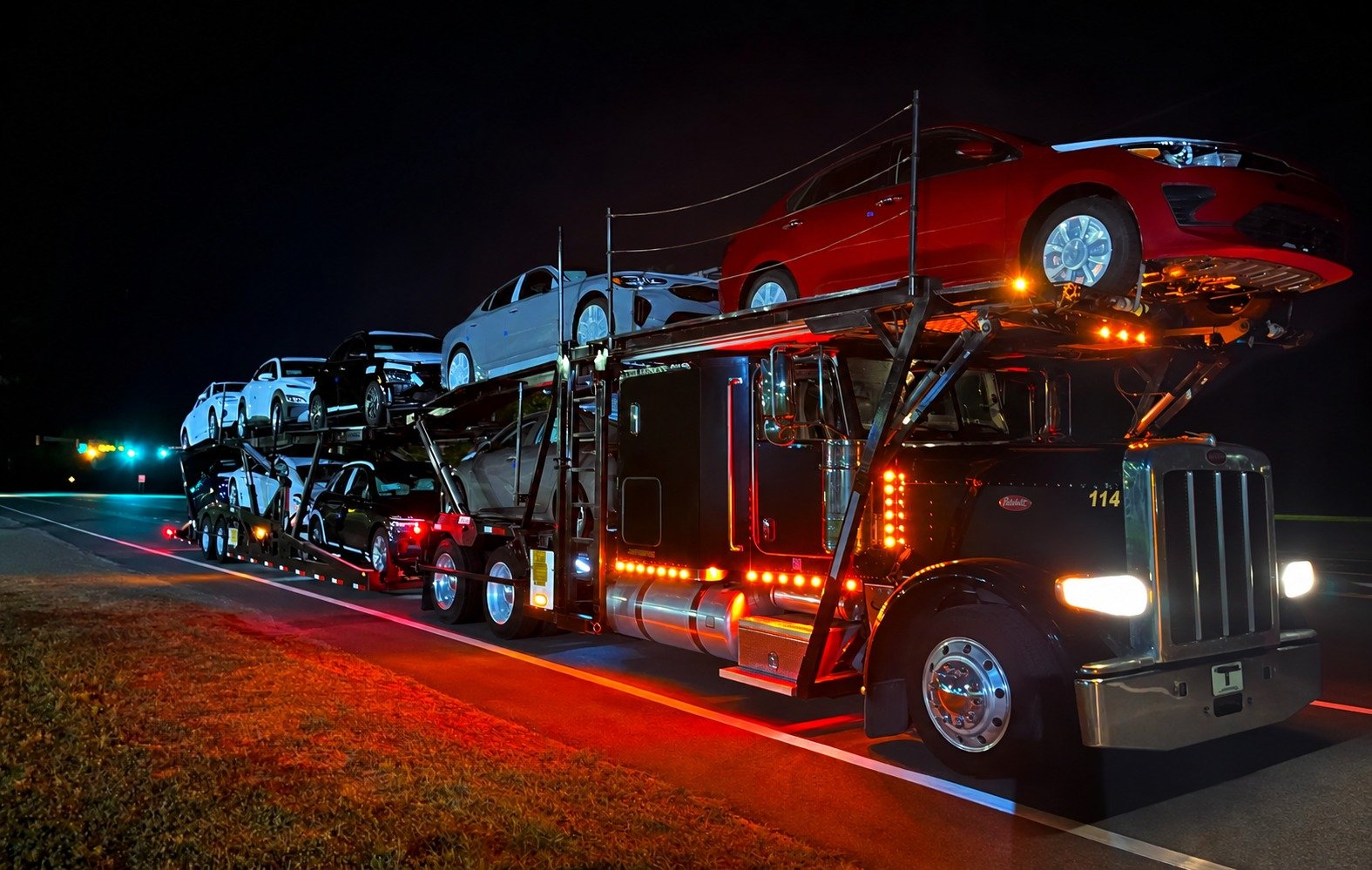
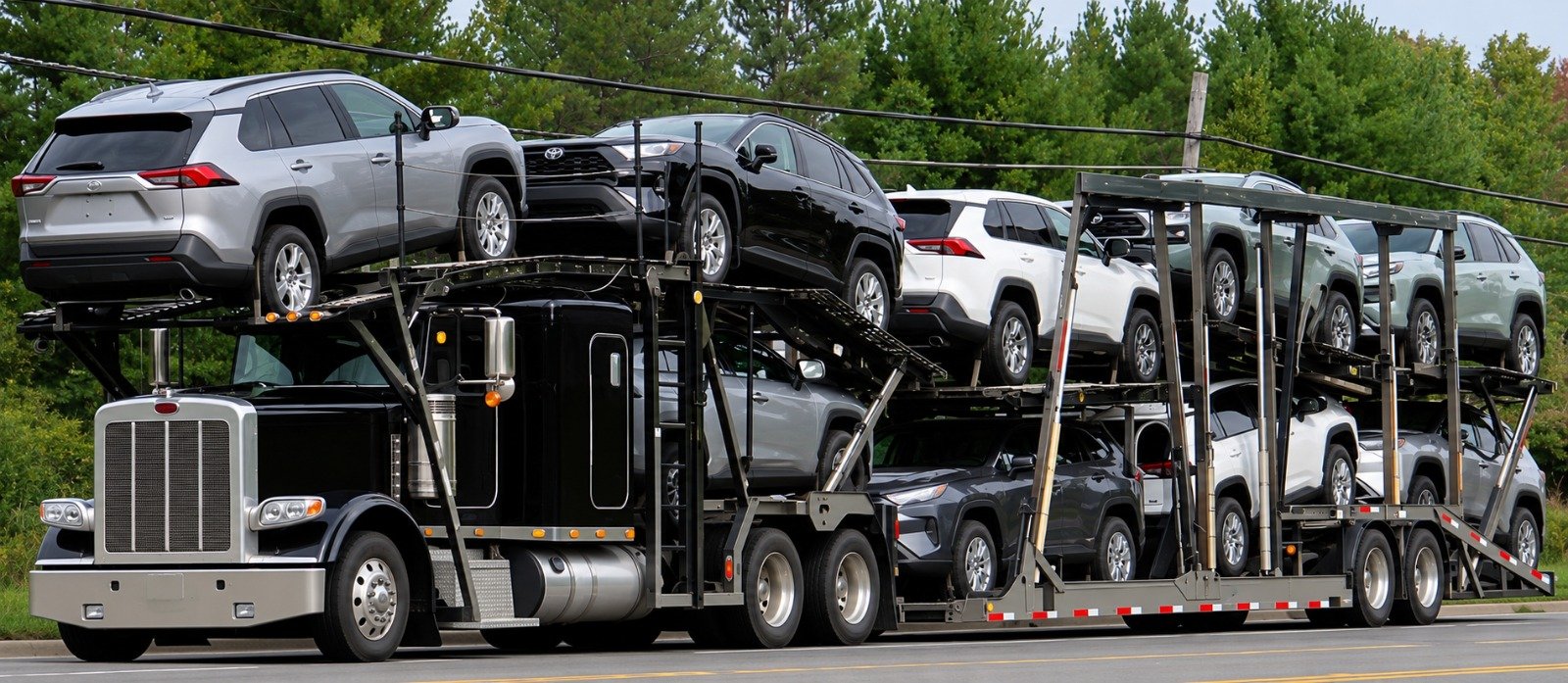
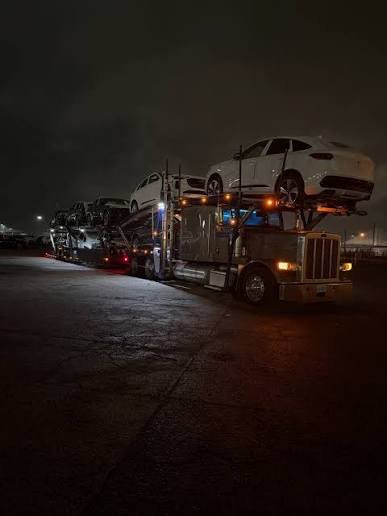
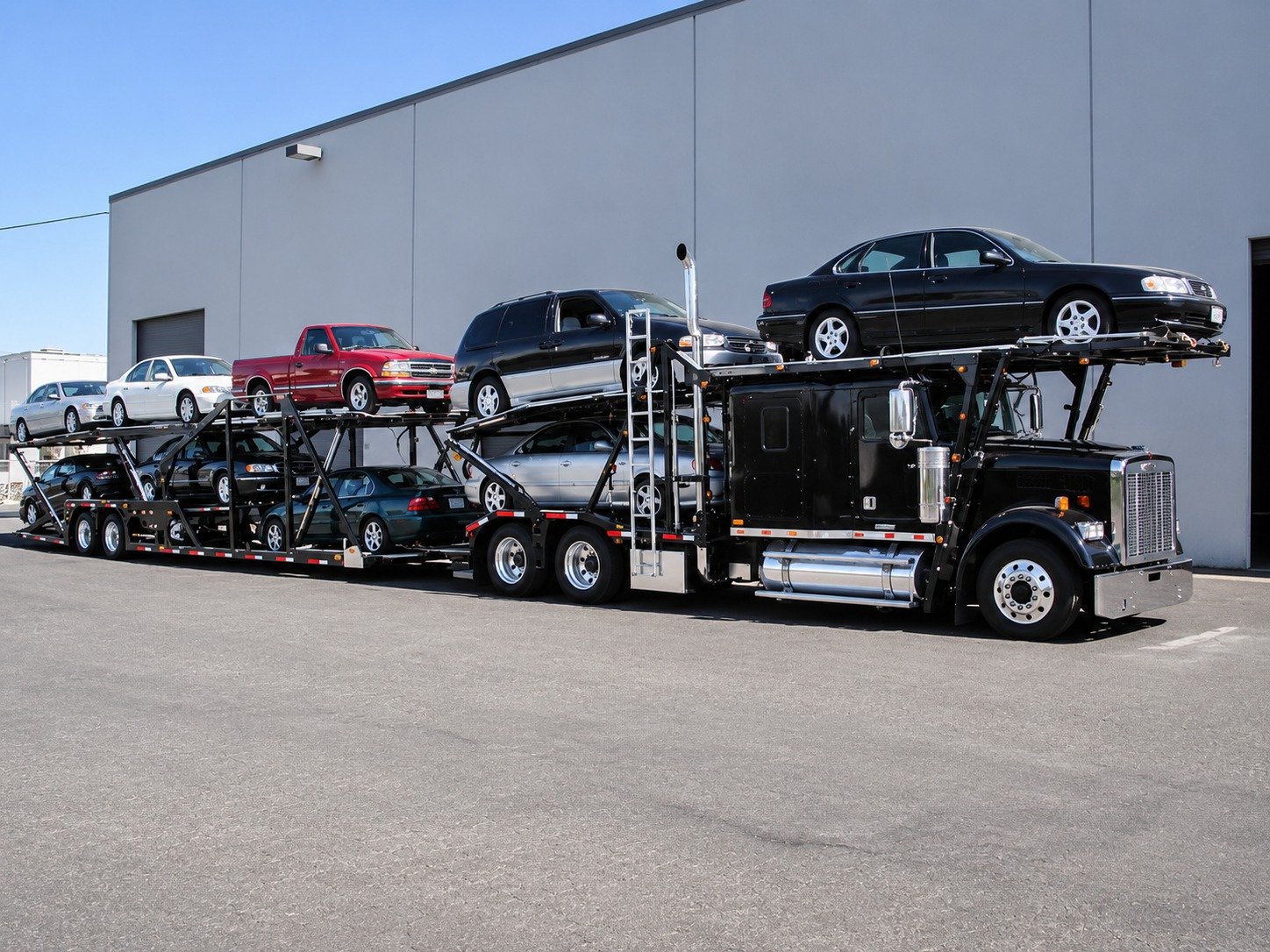
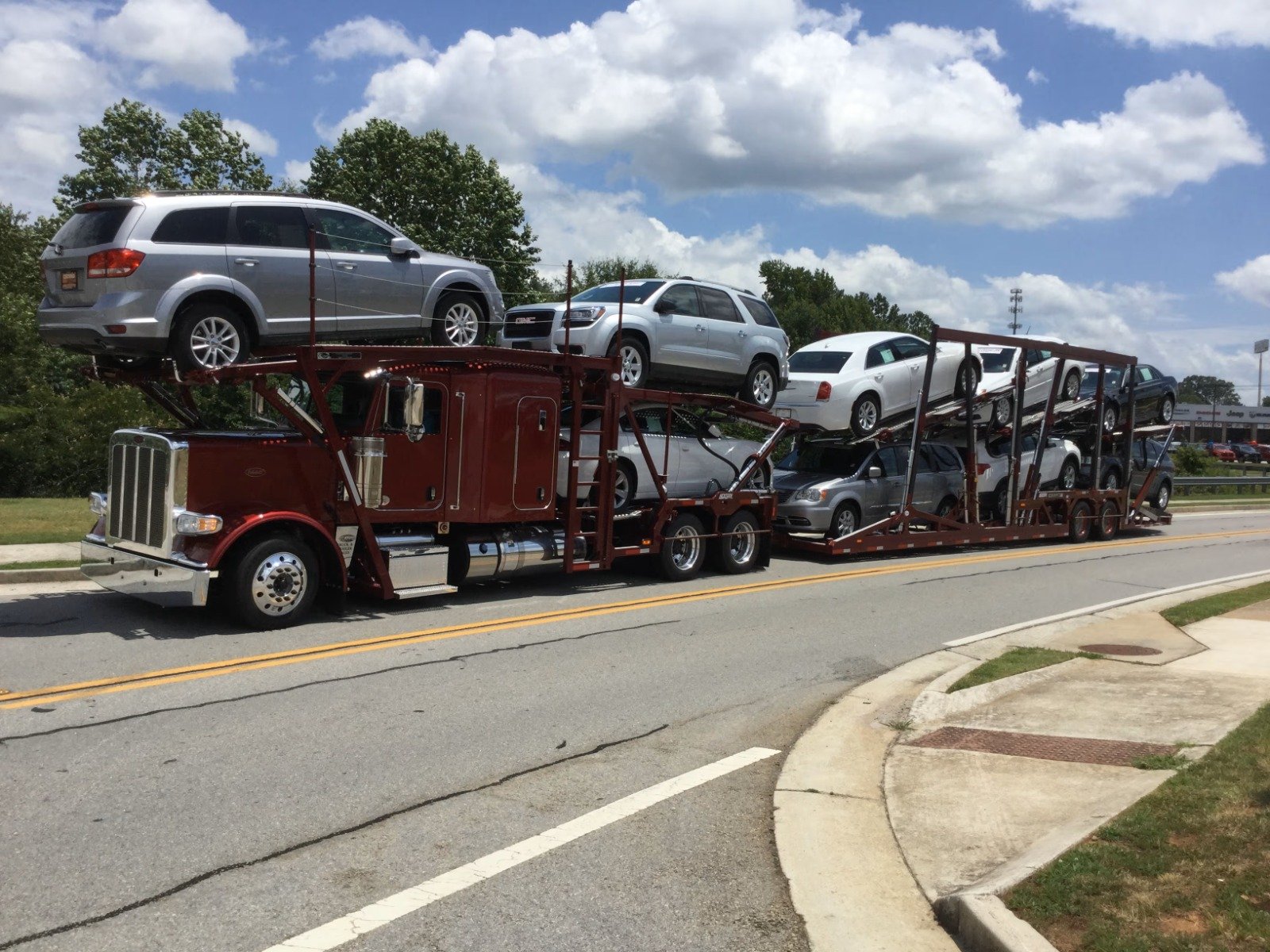
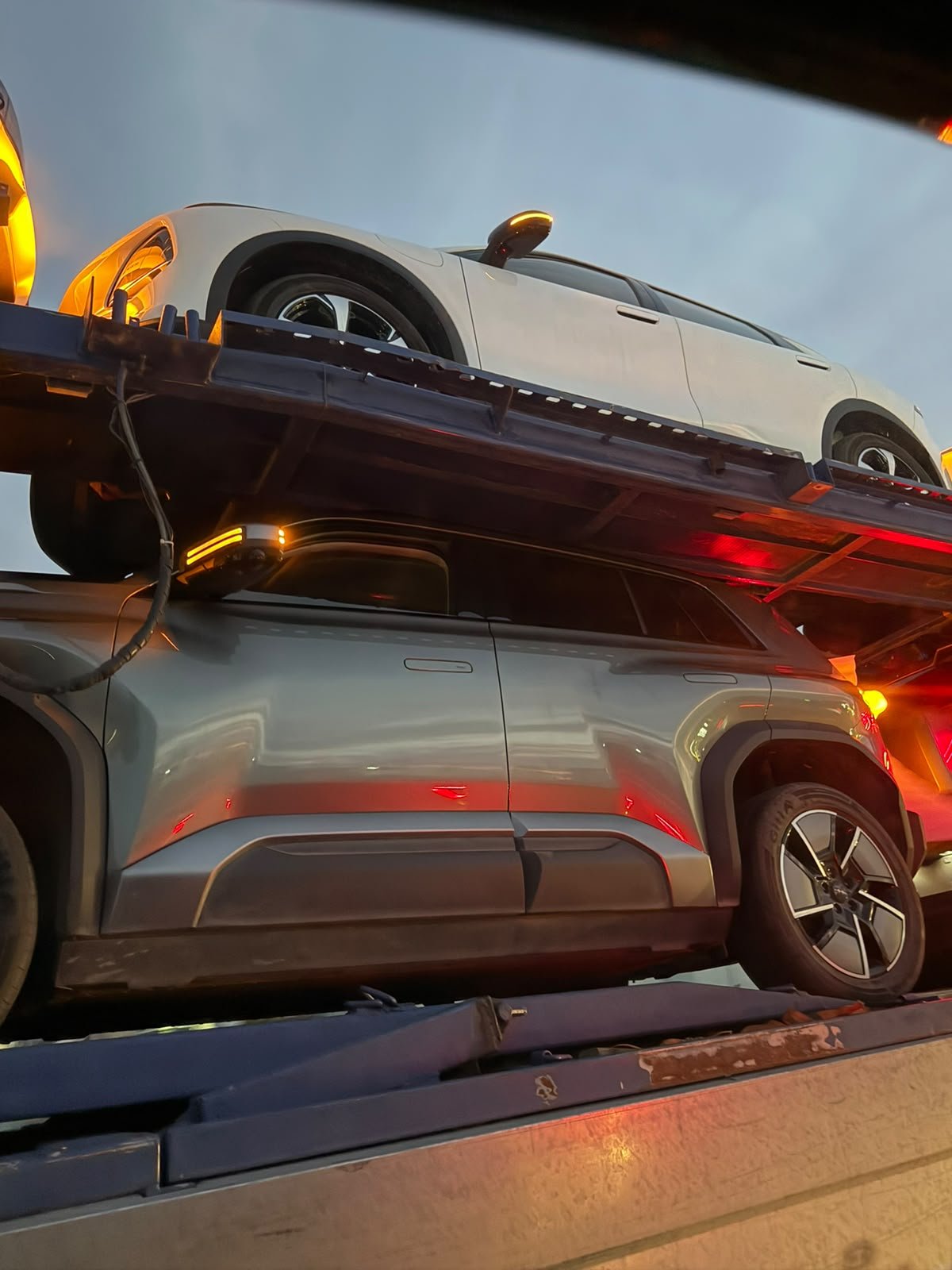
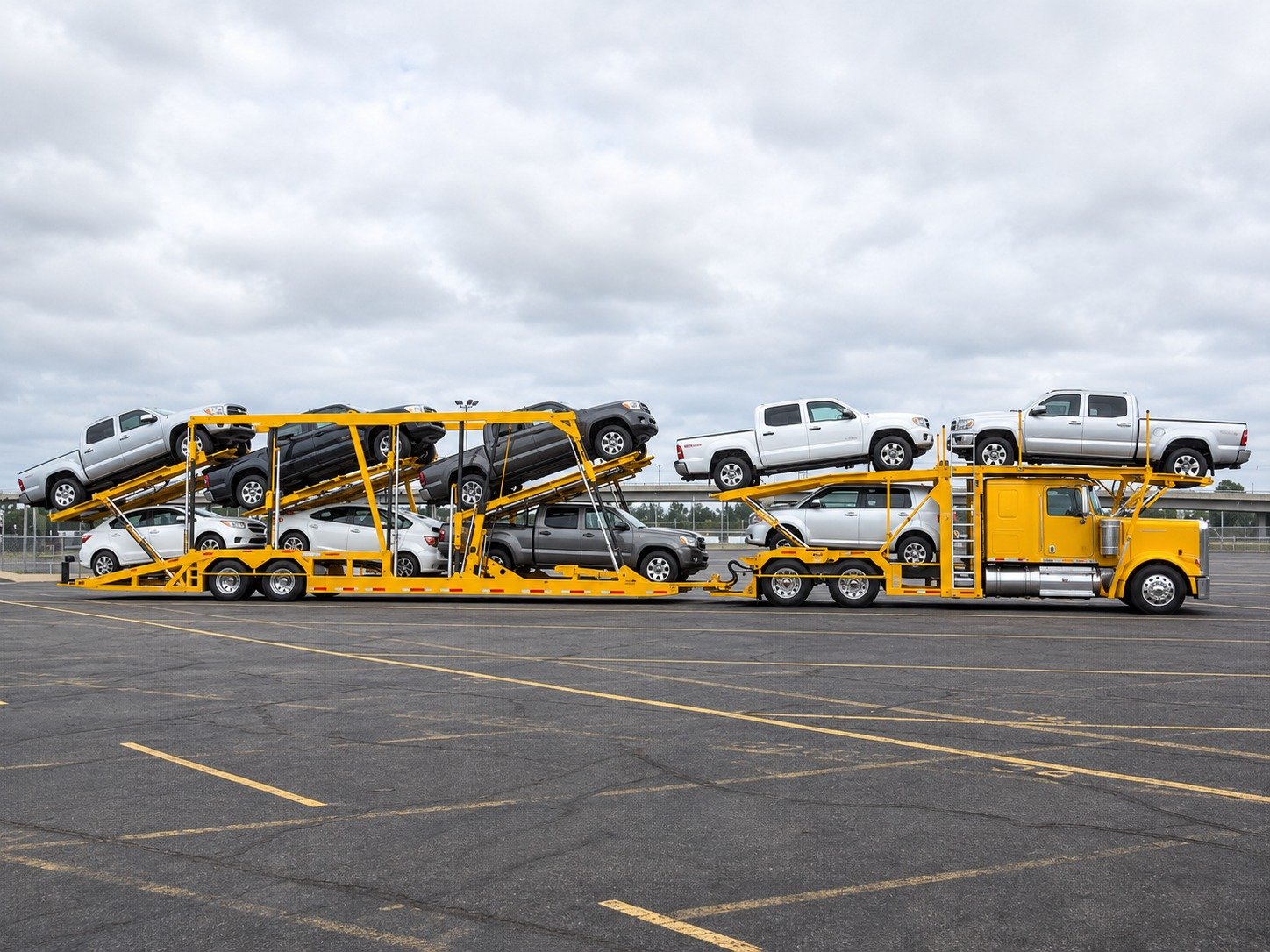
Open car transport—also referred to as open carrier car shipping, open auto transport, or standard car shipping—is a method of moving vehicles using an unenclosed, multi-level trailer towed by a heavy-duty commercial tractor. If you have ever driven along the Trans-Canada Highway and passed a two-tier transport truck carrying seven to ten sedans, crossovers, and pickup trucks, you have seen an open car carrier service in action.
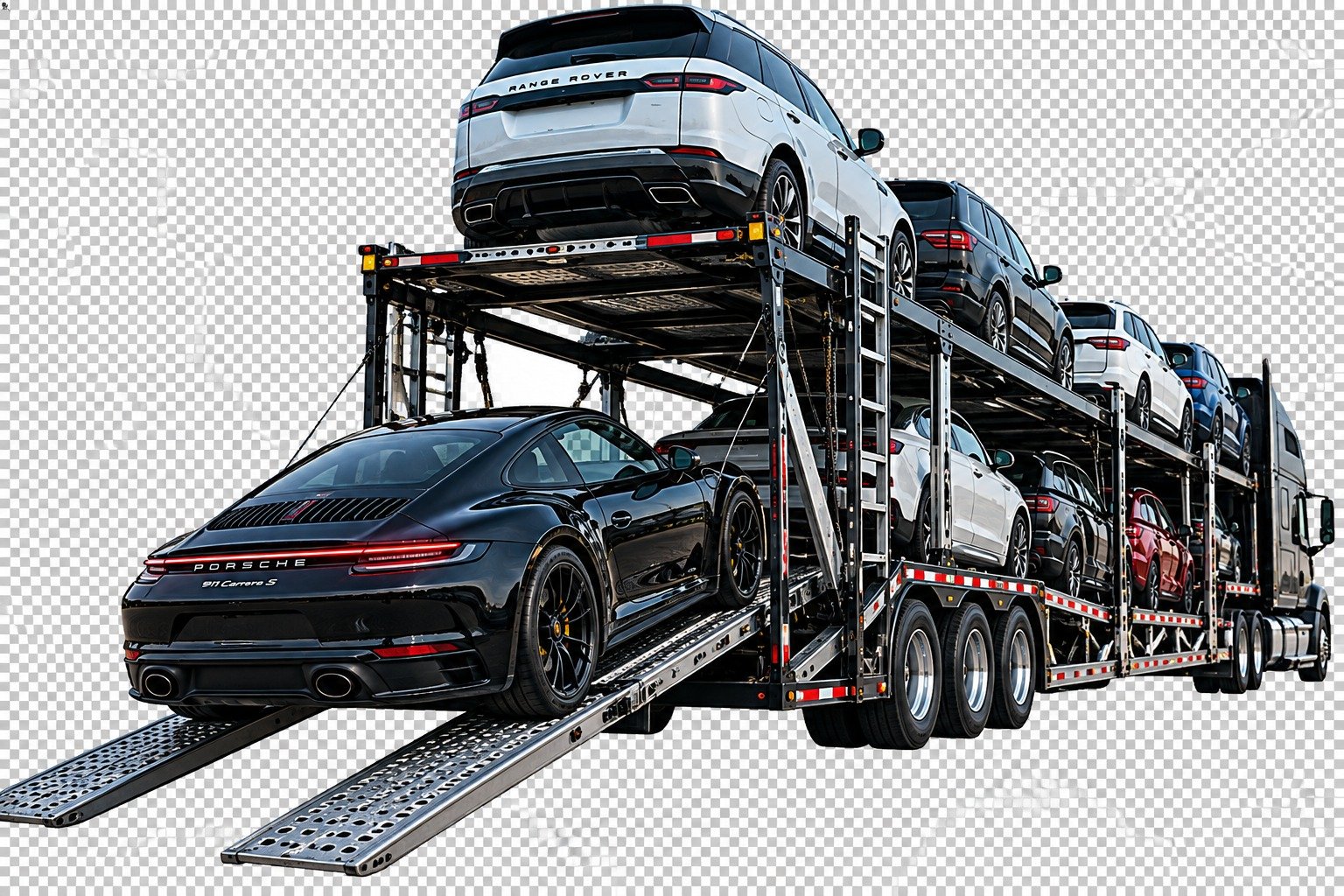
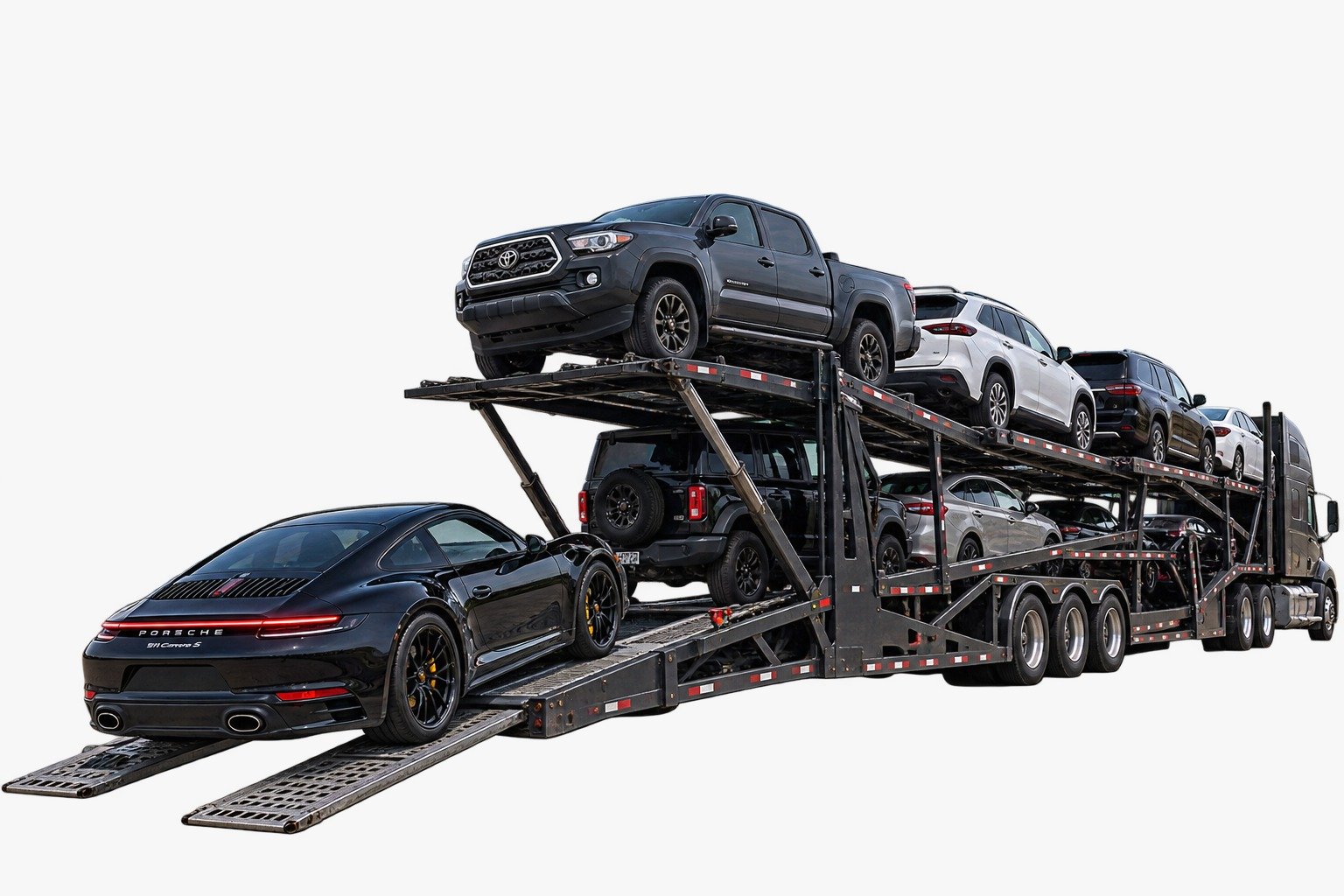
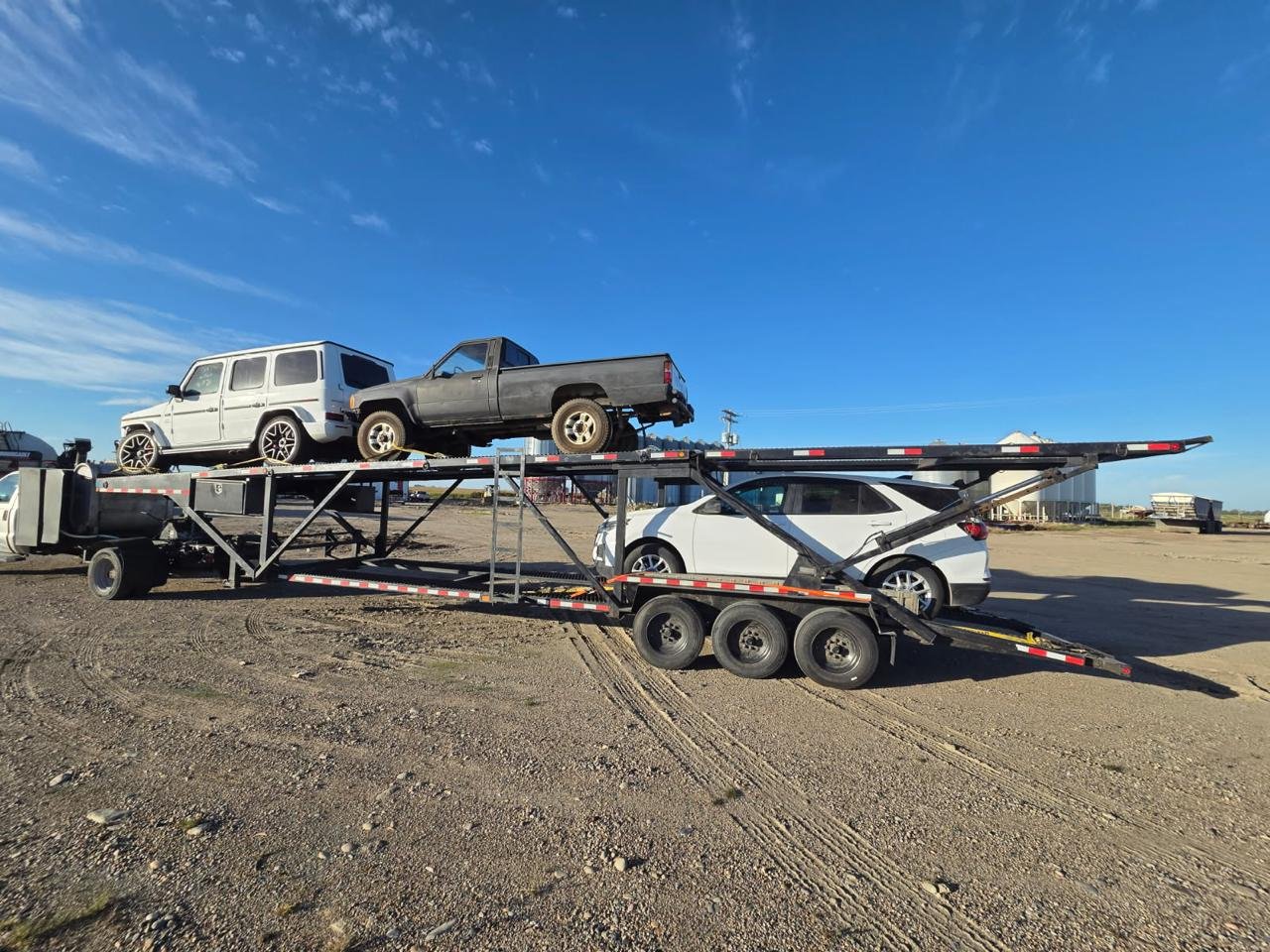
Unlike solid-walled trailers, an open auto transport trailer features steel decks, hydraulic ramps, and wheel-securement tracks exposed to the outside air. Because a single multi-car hauler can transport multiple vehicles simultaneously along the same corridor, carriers distribute fuel, driver, and equipment expenses across several shipments. This shared capacity makes open car transport services the industry standard for manufacturers, dealerships, and private owners across Canada.
Frequent Departure Schedules
Open carriers represent the overwhelming majority of auto transport equipment in North America, allowing faster dispatch along major routes.
Shared Trailer Capacity
Hauling multiple vehicles on one multi-level trailer keeps per-vehicle shipping rates lower than single-vehicle or enclosed alternatives.
Adjustable Hydraulic Ramps
Modern upper and lower decks adjust in height and angle to accommodate compact hatchbacks, family SUVs, and full-size pickup trucks.
How Does Open Car Transport Work Step by Step?
Understanding how cars are transported on open carriers removes uncertainty from the booking process. While exact logistics vary depending on whether you select door-to-door or terminal service, a standard shipment coordinated through Optixtrace follows a structured five-stage workflow.
Route Planning and Carrier Dispatch
Once you confirm your pickup city, destination, vehicle specifications, and preferred dates, logistics coordinators match your order with a licensed car shipping carrier operating on that lane—such as Toronto to Vancouver car shipping or regional interprovincial runs.
Pre-Loading Vehicle Inspection and Bill of Lading (BOL)
At pickup, the driver conducts a thorough walk-around inspection alongside you or your designated representative. Every existing scratch, chip, or dent is documented on a Vehicle Inspection Report integrated into the Bill of Lading (BOL), which serves as both your receipt and transport contract.
Precision Loading and Soft-Strap Securement
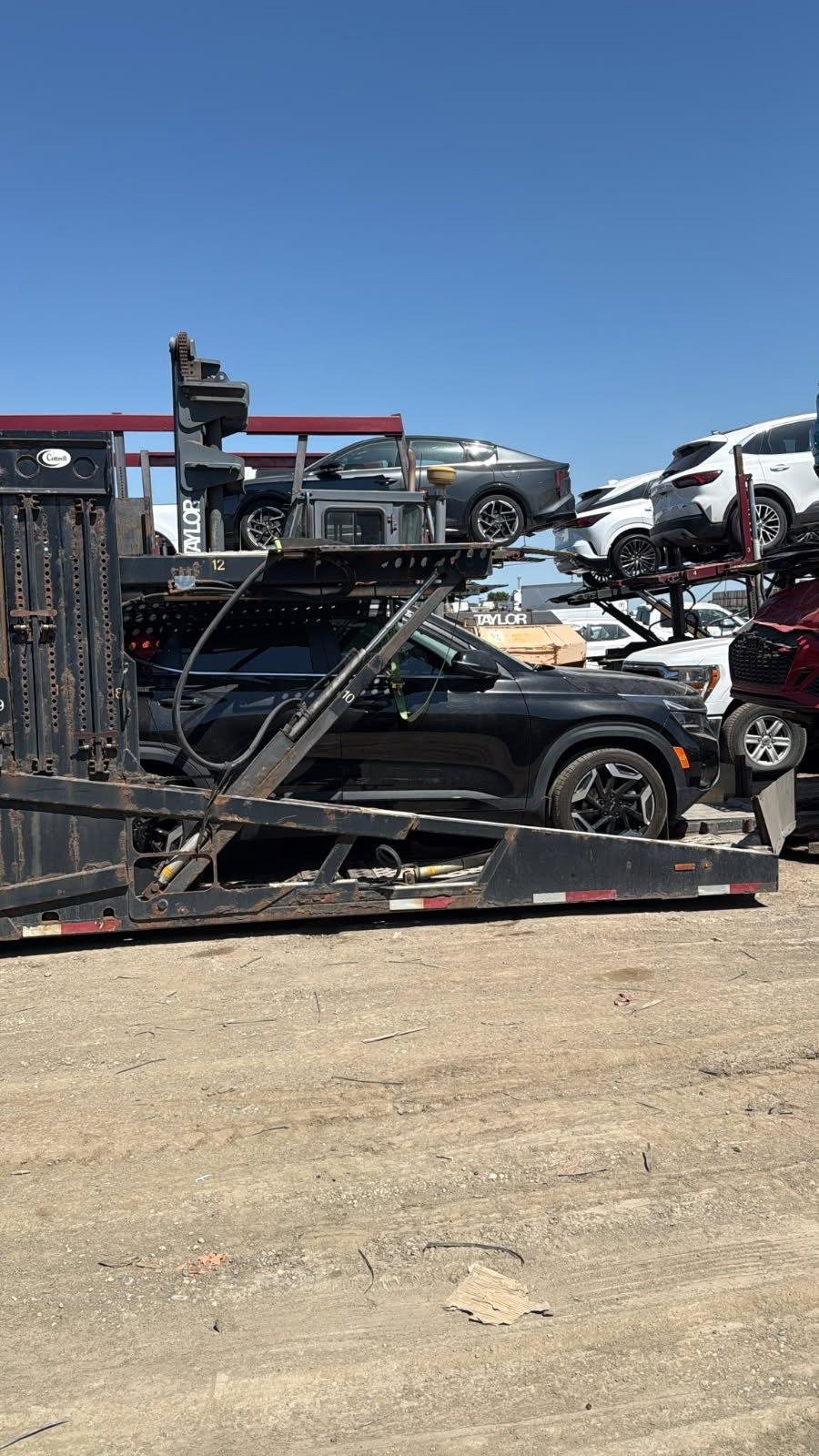
The operator positions the hydraulic ramps, carefully drives the vehicle onto its assigned upper or lower deck slot, and secures all four tires using over-the-wheel soft nylon straps and ratchet tie-downs. This method anchors the tires directly to the deck without stressing suspension components.
Long-Distance Highway Transit
During long-distance vehicle transport, commercial drivers follow federal Hours of Service regulations enforced by Transport Canada and perform routine strap-tension checks at mandatory rest stops to ensure every vehicle remains stationary.
Unloading and Final Delivery Sign-Off
Upon arrival at your destination, the driver unloads the vehicle and completes a post-transit inspection with you. After verifying the vehicle's condition against the original Bill of Lading, you sign the delivery paperwork and receive your keys.

Door-to-Door vs. Terminal-to-Terminal Open Auto Transport
When booking open vehicle transport, you can typically choose between two pickup and delivery formats depending on your address and schedule:
- Door-to-Door Car Shipping: With door-to-door open car transport, the carrier picks up and delivers your vehicle as close to your specified residential or commercial addresses as municipal bylaws and street width allow. If narrow cul-de-sacs or low-hanging trees prevent a full-length tractor-trailer from entering safely, the driver meets you at a nearby wide roadway or commercial parking lot.
- Terminal-to-Terminal Shipping: With terminal-to-terminal open transport, you drop off and retrieve your vehicle at designated regional storage yards. This option works well if your travel schedule does not align with a carrier's exact arrival window.
Is Open Car Transport Safe?
One of the most frequent questions first-time shippers ask is whether car transport on an open trailer exposes their vehicle to undue risk. In practice, open carriers are the exact same transport method automakers rely on to deliver brand-new factory vehicles from assembly plants and ports to dealerships across every Canadian province.
Modern multi-car haulers are engineered specifically to prevent vehicle-to-vehicle contact. Hydraulic locking pins hold upper decks firmly in place, while wheel-chock tracks and four-point tire harnesses prevent forward, backward, or lateral shifting even over mountain passes in British Columbia or crosswinds on the Prairies. Commercial motor carriers operating across provincial boundaries must also adhere to National Safety Code standards overseen by the Canadian Council of Motor Transport Administrators (CCMTA).
How Vehicle Shipping Insurance Works
Reputable carriers operating within Optixtrace's logistics network carry commercial cargo liability insurance designed to cover physical damage caused by carrier negligence or transit incidents during loading, transport, and unloading. As outlined by the Insurance Bureau of Canada (IBC), understanding how commercial transit coverage interacts with your personal auto policy is essential before handing over your keys.
Your signed Bill of Lading is the single most important document for insurance protection. Because it records pre-existing cosmetic blemishes prior to loading, any new transit-related damage can be clearly identified upon delivery.
Document Everything in Daylight: Wash your vehicle's exterior a day or two before pickup so dust or road grime does not hide minor scratches. Take time-stamped, high-resolution photos of all four sides, the roof, wheels, and odometer before signing the initial Vehicle Inspection Report.
What Vehicles Can Be Shipped Using Open Transport?
Open auto transport trailers are built to accommodate almost every standard passenger and light commercial vehicle driven on Canadian roads. Because decks feature adjustable heights and heavy-duty weight ratings, carriers routinely transport mixed loads on a single trip.

- Sedans, Coupes, and Hatchbacks: Standard passenger cars fit easily on both upper and lower trailer decks.
- SUVs and Crossovers: Compact, mid-size, and full-size family SUVs are among the most frequently shipped vehicles in Canada.
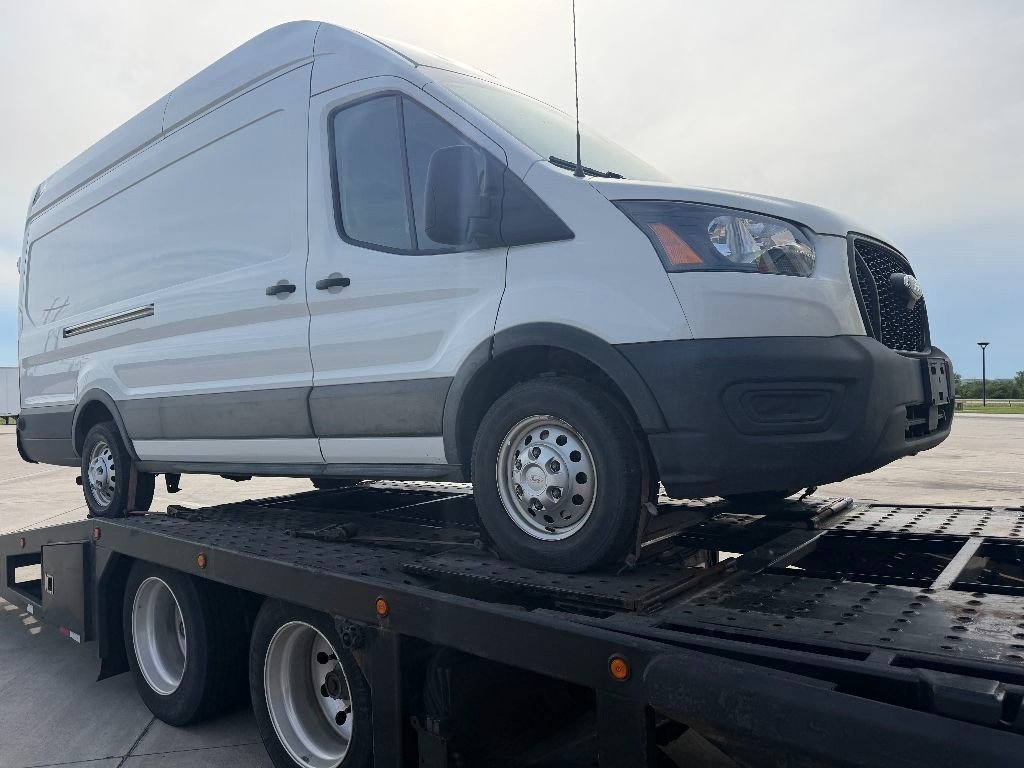
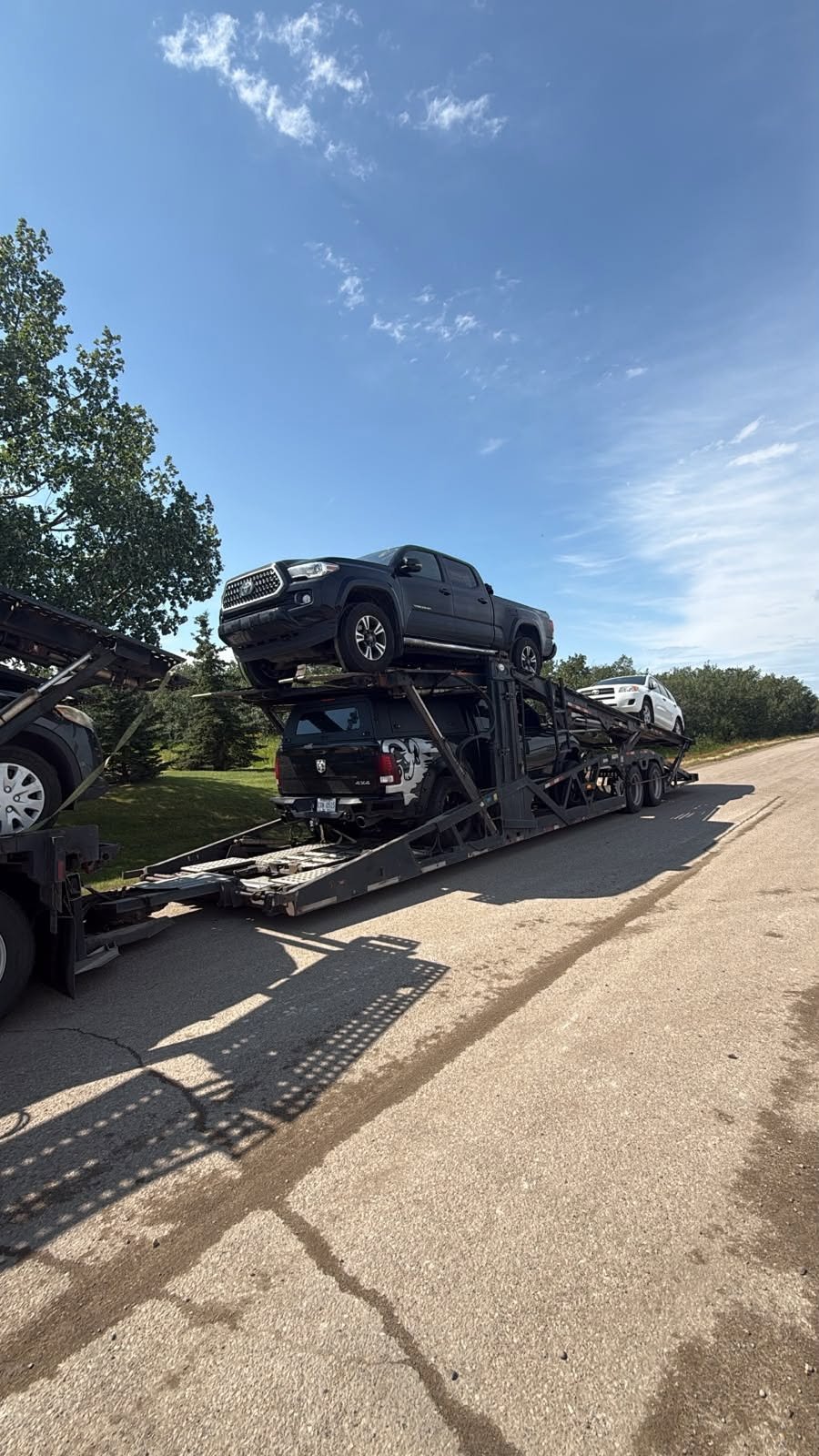
- Pickup Trucks and Minivans: Standard-bed and crew-cab pickups are loaded into designated high-clearance positions on the trailer.
- Electric Vehicles (EVs) and Hybrids: EVs can be shipped on open carriers, provided the carrier is informed in advance of the vehicle's curb weight and battery state of charge.
- Dealership and Fleet Inventory: Multi-unit corporate relocations, lease returns, and dealer trades benefit from high-capacity open carrier scheduling.
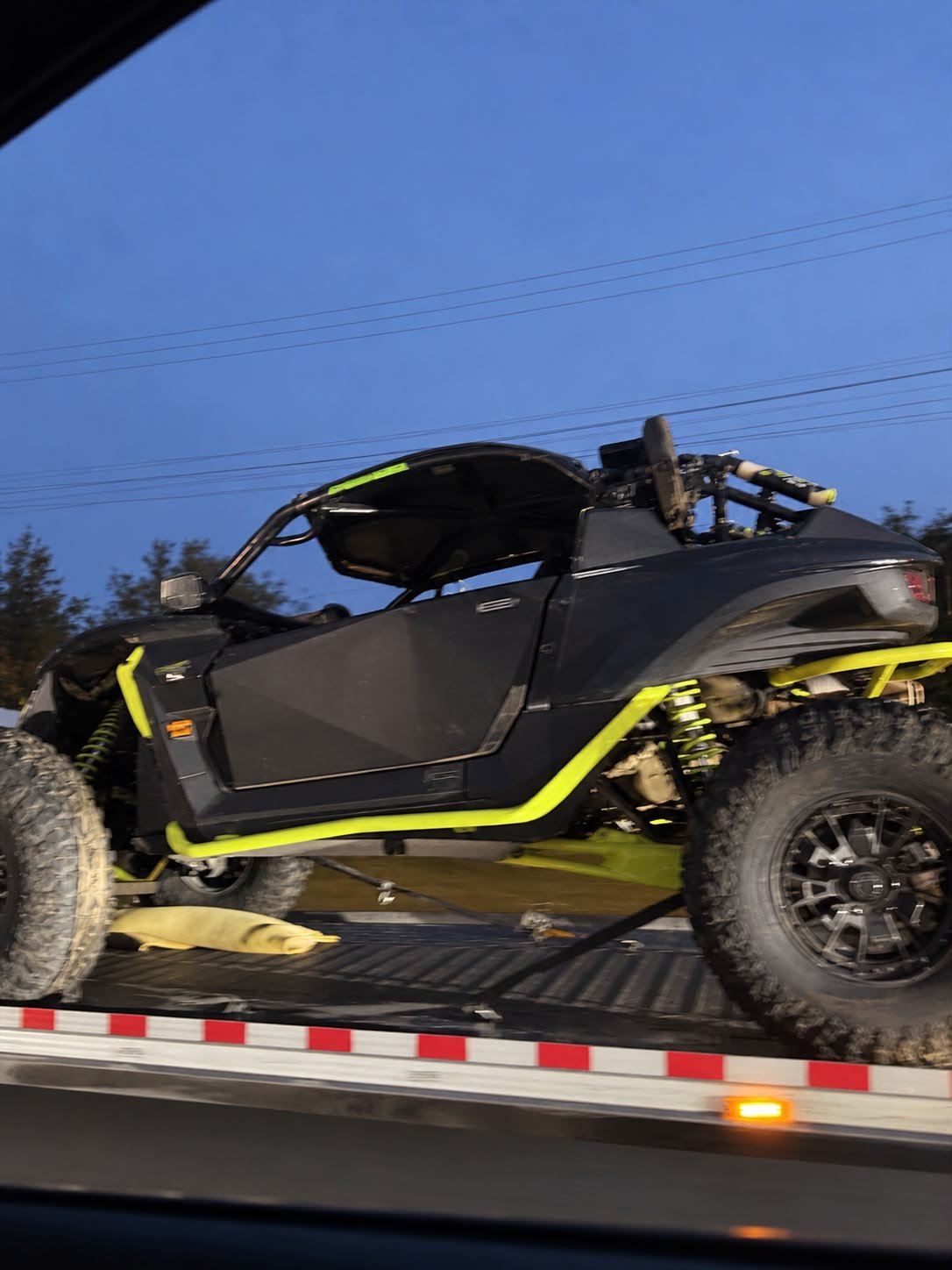
If you are shipping an oversized commercial chassis, lifted off-road rig, or non-running vehicle that cannot be driven onto hydraulic ramps, specialized equipment such as winch-equipped trailers or dedicated vehicle transportation services may be recommended. Similarly, for ultra-long coast-to-coast corridors between major hubs, some shippers also compare highway open carriers with rail car transport.
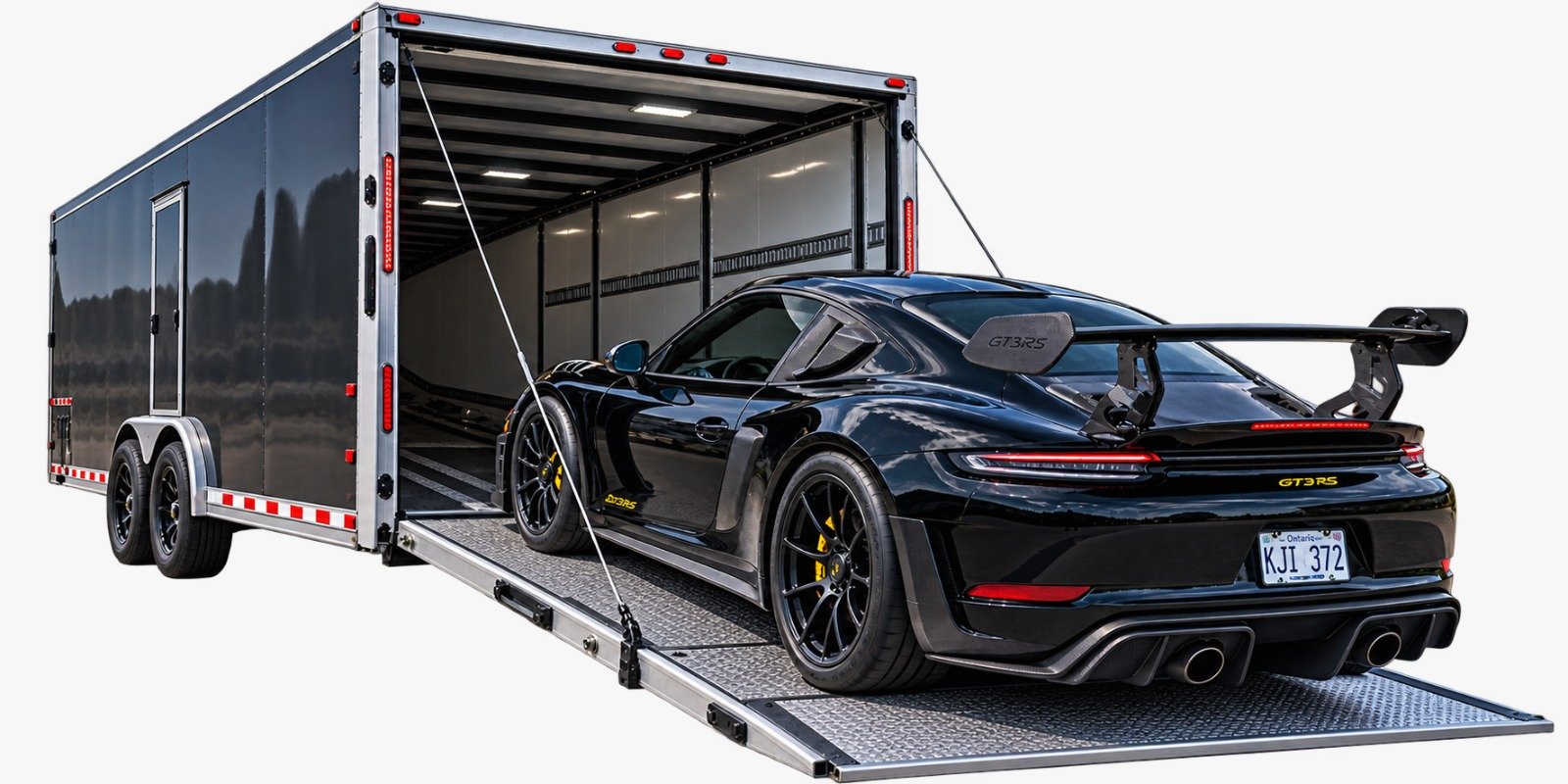
Open Car Transport vs. Enclosed Car Transport
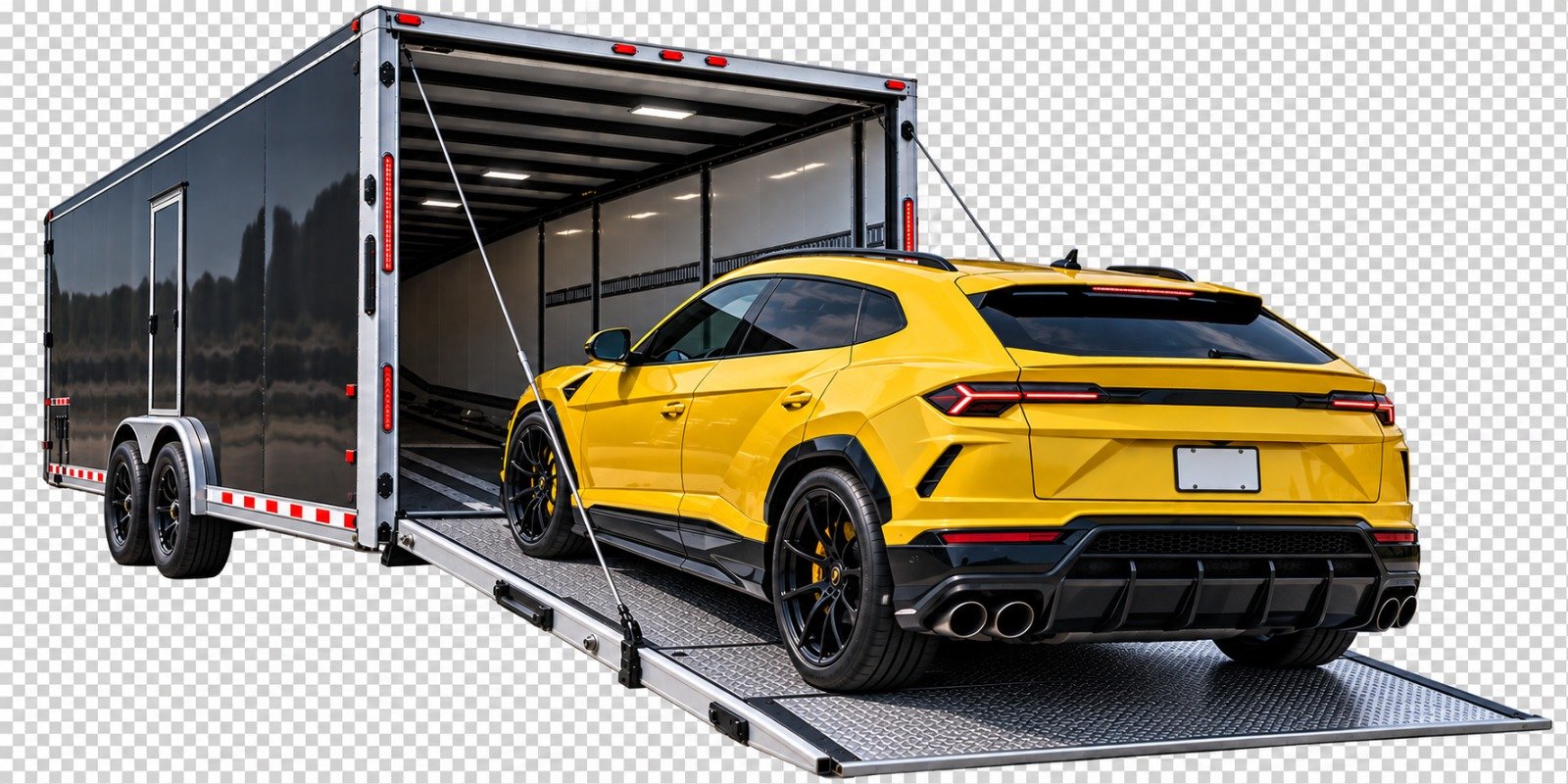
When comparing vehicle shipping by open carrier against enclosed car transport, the decision comes down to balancing budget, scheduling flexibility, and environmental protection. Both methods use professional drivers, soft-strap securement, and formal Bill of Lading inspections, yet each serves a distinct purpose.
| Feature | Open Car Transport | Enclosed Car Transport |
|---|---|---|
| Trailer Design | Open-air multi-level steel decks | Fully covered hard-sided or soft-sided trailer |
| Weather & Road Exposure | Exposed to rain, snow, dust, and seasonal road spray | Shielded from weather, gravel, and road salt |
| Typical Trailer Capacity | 7 to 10 vehicles per load | 2 to 6 vehicles per load |
| Relative Cost | Most economical standard option | Higher rate due to lower capacity and specialized gear |
| Dispatch Availability | High carrier frequency across Canada | More specialized scheduling on select routes |
| Best Suited For | Daily drivers, family SUVs, pickups, dealership stock | Exotic sports cars, vintage classics, low-clearance builds |

For everyday sedans, crossovers, and pickup trucks, open carrier car shipping delivers the strongest overall value. However, if you are transporting a collector vehicle, custom restoration, or low-clearance sports car—especially during winter months when provincial road crews apply salt and sand—enclosed transport provides complete protection from the elements.
What Factors Influence Open Car Transport Costs in Canada?
Rather than a flat rate per kilometre, car transport costs in Canada are calculated dynamically based on route logistics, equipment space, and seasonal demand. Understanding these variables helps you plan your budget and compare quotes accurately:
- Distance and Corridor Popularity: Major highway corridors connecting high-volume population centres—such as Calgary to Toronto car shipping—benefit from frequent carrier traffic. Shipments involving remote northern communities or ferry crossings require extra routing coordination.
- Vehicle Dimensions and Curb Weight: Larger, heavier vehicles like three-row SUVs, cargo vans, and extended-cab pickup trucks occupy more deck length and contribute more toward commercial axle weight limits than compact cars.
- Seasonal Demand and Canadian Weather: Demand rises noticeably during spring and summer moving peaks, as well as autumn and spring snowbird migrations. Winter storms across the Rockies, Prairies, or Northern Ontario can also affect highway transit schedules and carrier operating costs.
- Operable vs. Inoperable Status: Open carriers rely on driving vehicles up hydraulic ramps. If a vehicle cannot start, steer, or brake under its own power, the carrier must use specialized winching equipment.
- Pickup and Delivery Flexibility: Allowing a multi-day pickup window gives dispatchers more flexibility to match your vehicle with an open slot on a multi-car hauler already travelling your route.
How to Prepare Your Vehicle for Open Carrier Shipping
Proper preparation keeps loading smooth, prevents transit delays, and ensures compliance with commercial transport safety rules. Before your scheduled pickup date, complete this checklist:
- Remove Personal Belongings: Commercial auto carriers are licensed to transport vehicles rather than household goods. Empty the cabin, trunk, and cargo areas of loose items, electronics, and valuables, as personal items inside the vehicle are generally not covered by carrier cargo insurance.
- Keep Fuel Around a Quarter Tank: Leaving roughly one-quarter tank of fuel provides enough range for loading, unloading, and terminal transfers without adding unnecessary weight to the multi-car hauler.
- Check Battery, Tire Pressure, and Fluid Leaks: Ensure the battery holds a strong charge, tires are properly inflated, and there are no active fluid leaks that could drip onto vehicles positioned on the lower deck.
- Secure or Remove Exterior Accessories: Fold in power side mirrors, retract or remove fixed antennas, and detach aftermarket roof racks, ski boxes, or loose spoilers that could catch highway wind currents.
- Disable Alarm Systems and Toll Transponders: Deactivate sensitive anti-theft alarms that may trigger from trailer vibrations, and remove highway toll transponders so they are not billed while passing gantry readers on a truck.

Frequently Asked Questions About Open Car Transport
Because open auto transport trailers are unenclosed, your vehicle experiences the same outdoor weather and road dust it would encounter on a normal highway drive. While it may arrive needing a standard car wash, serious weather damage is uncommon. If you are shipping a collector or high-value vehicle during harsh winter conditions, enclosed transport is recommended.
Most Canadian auto transport carriers require vehicles to be empty of personal belongings. Loose items can shift during transit, damage interior trim, add unrecorded weight to commercial axle limits, and are excluded from standard carrier cargo insurance policies.
Booking one to two weeks ahead of your ideal pickup window gives logistics coordinators the best opportunity to secure space on a multi-car hauler travelling your corridor. During peak summer moving months or seasonal snowbird rushes, booking two to three weeks in advance is advisable.
Either you or a trusted adult representative (such as a family member, friend, or dealership staff member) must be present at both pickup and delivery. That person will hand over or receive the keys, walk around the vehicle with the driver, and sign the Bill of Lading inspection report.
You can request top-deck placement when booking, though final load positioning depends on vehicle height, weight distribution, bridge clearance rules, and multi-stop unloading order. Both upper and lower decks use identical four-point wheel-strap securement systems.
Making the Right Choice for Your Vehicle Shipment
Open car transport remains the most efficient, accessible, and economical way to ship a vehicle across Canada. By sharing capacity on a multi-level carrier, individuals relocating between provinces, online car buyers, and automotive dealerships gain reliable highway transport backed by documented Bill of Lading inspections and commercial cargo coverage.
Whether you are moving a single family SUV or coordinating multi-vehicle commercial logistics, Optixtrace's nationwide Canadian vehicle shipping network makes it straightforward to compare options and plan your transport from pickup to final handover.