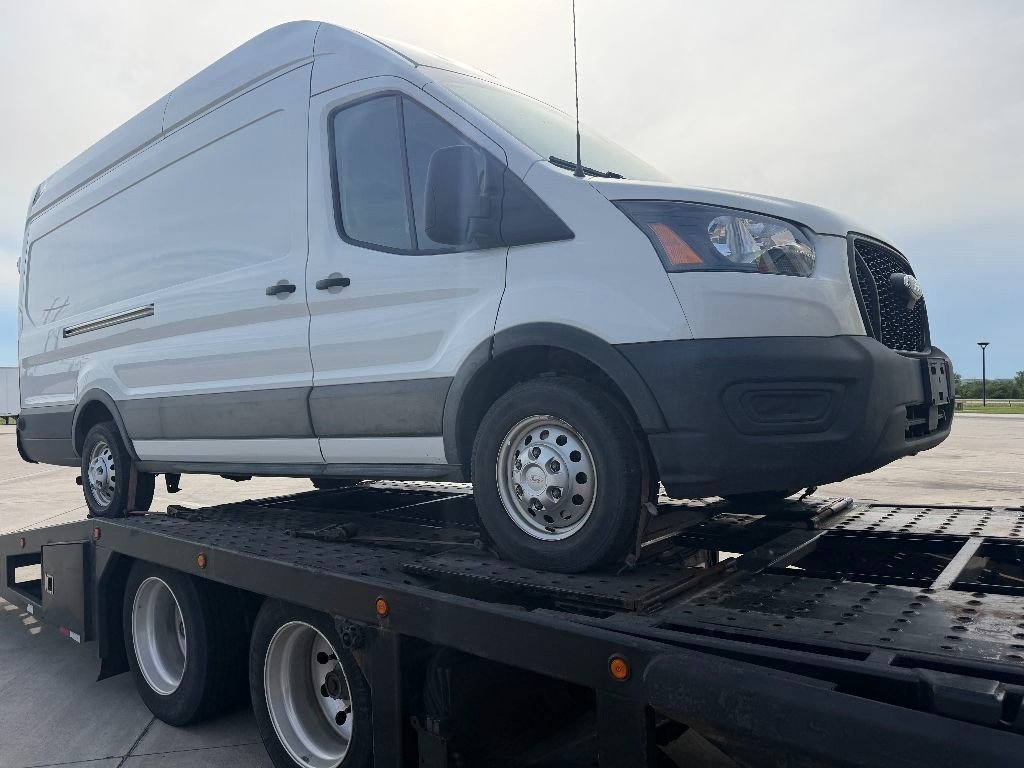
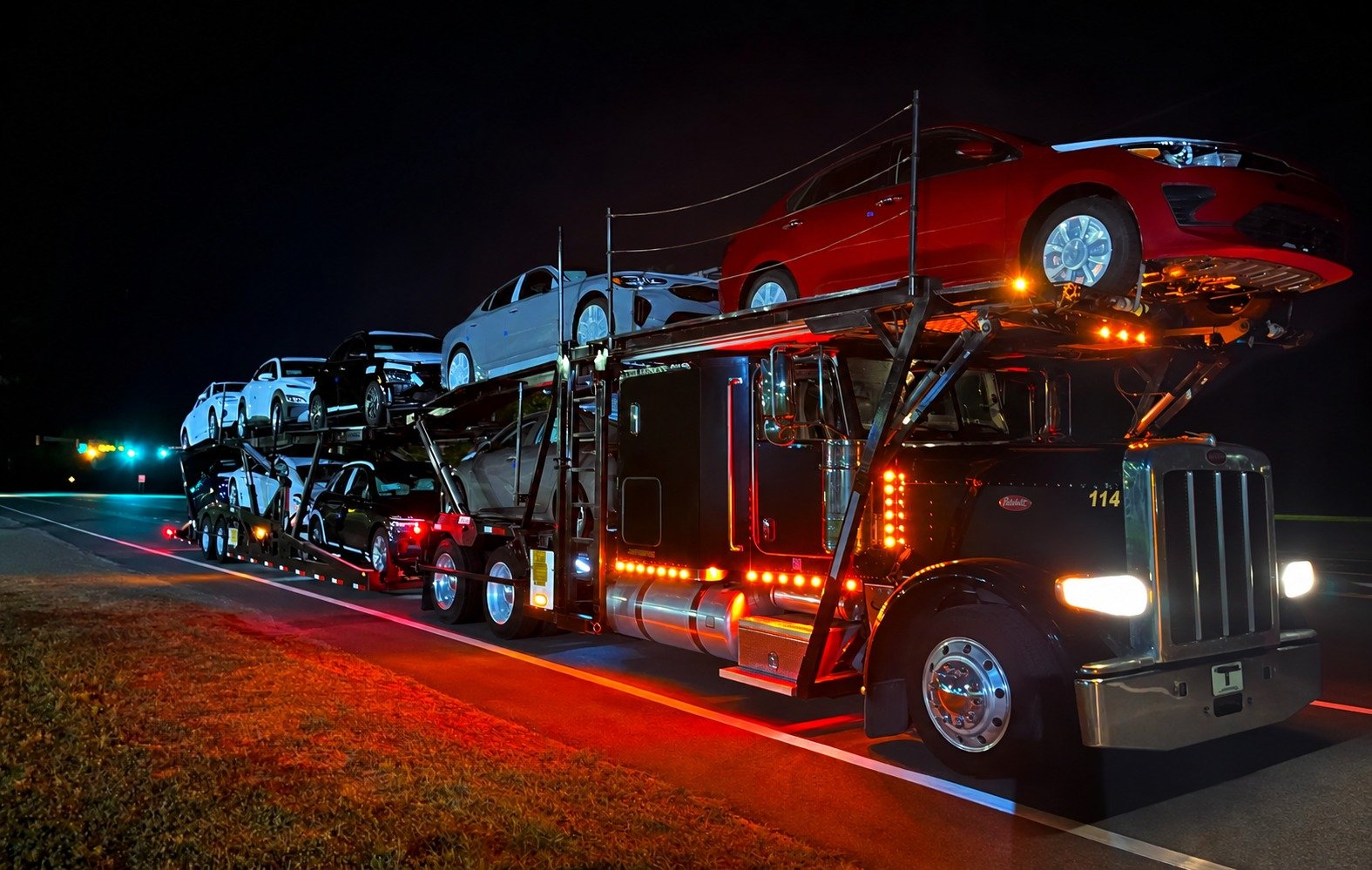
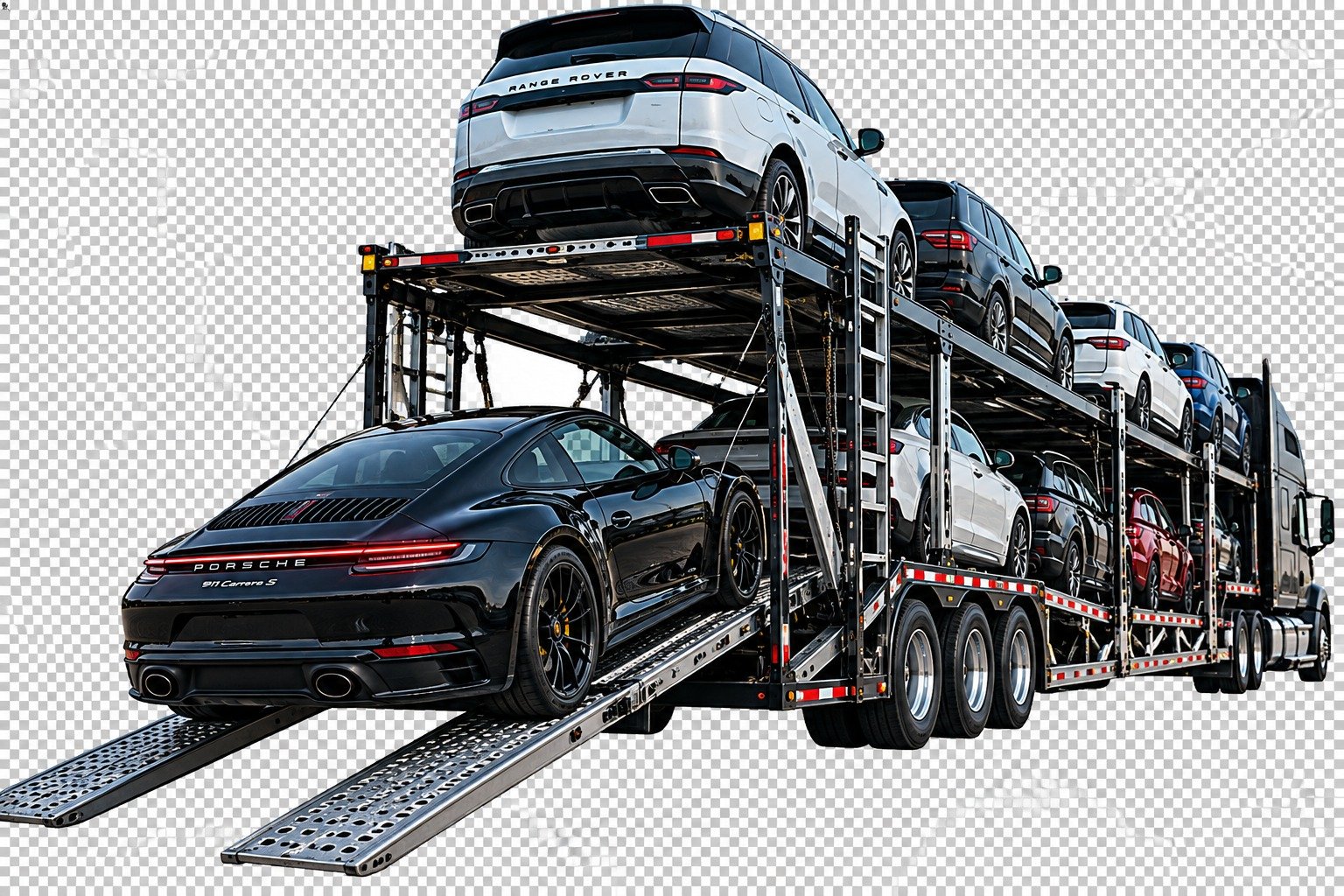
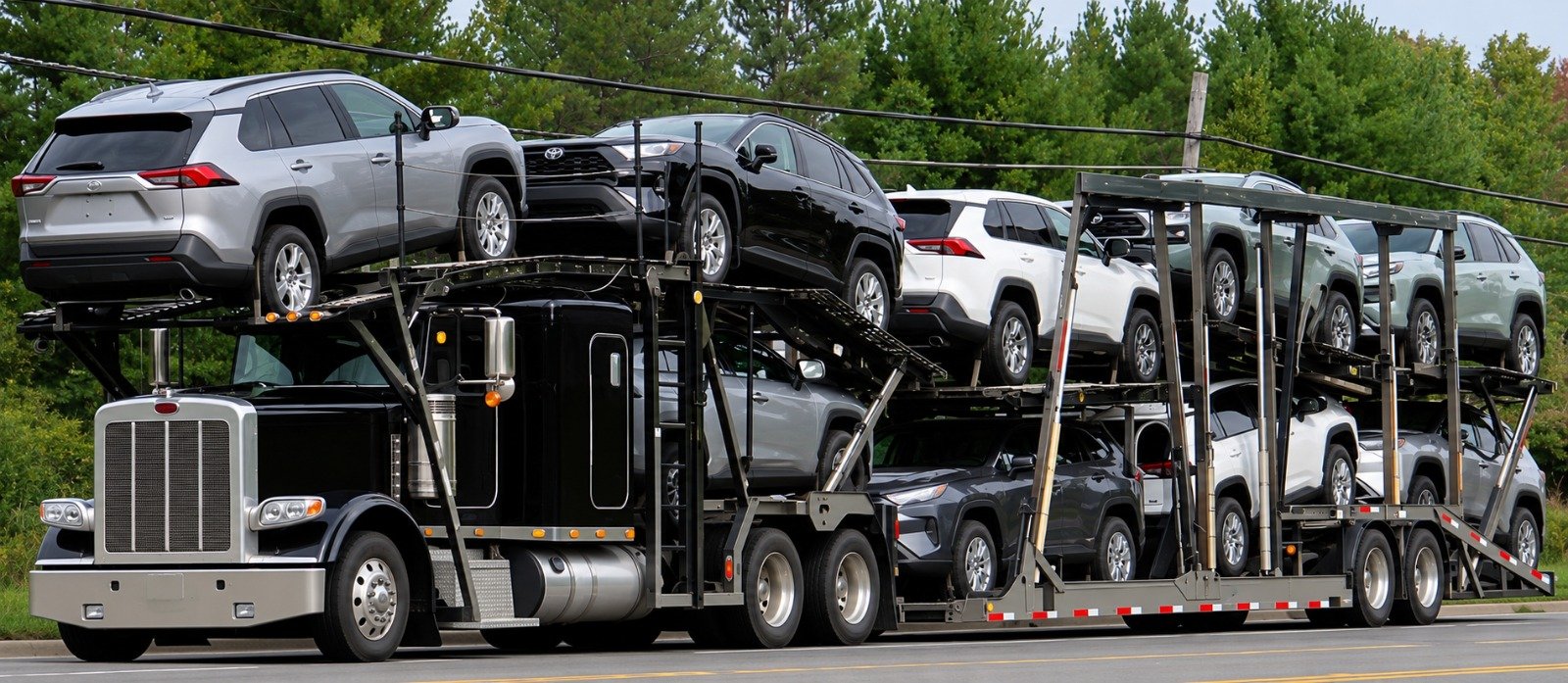
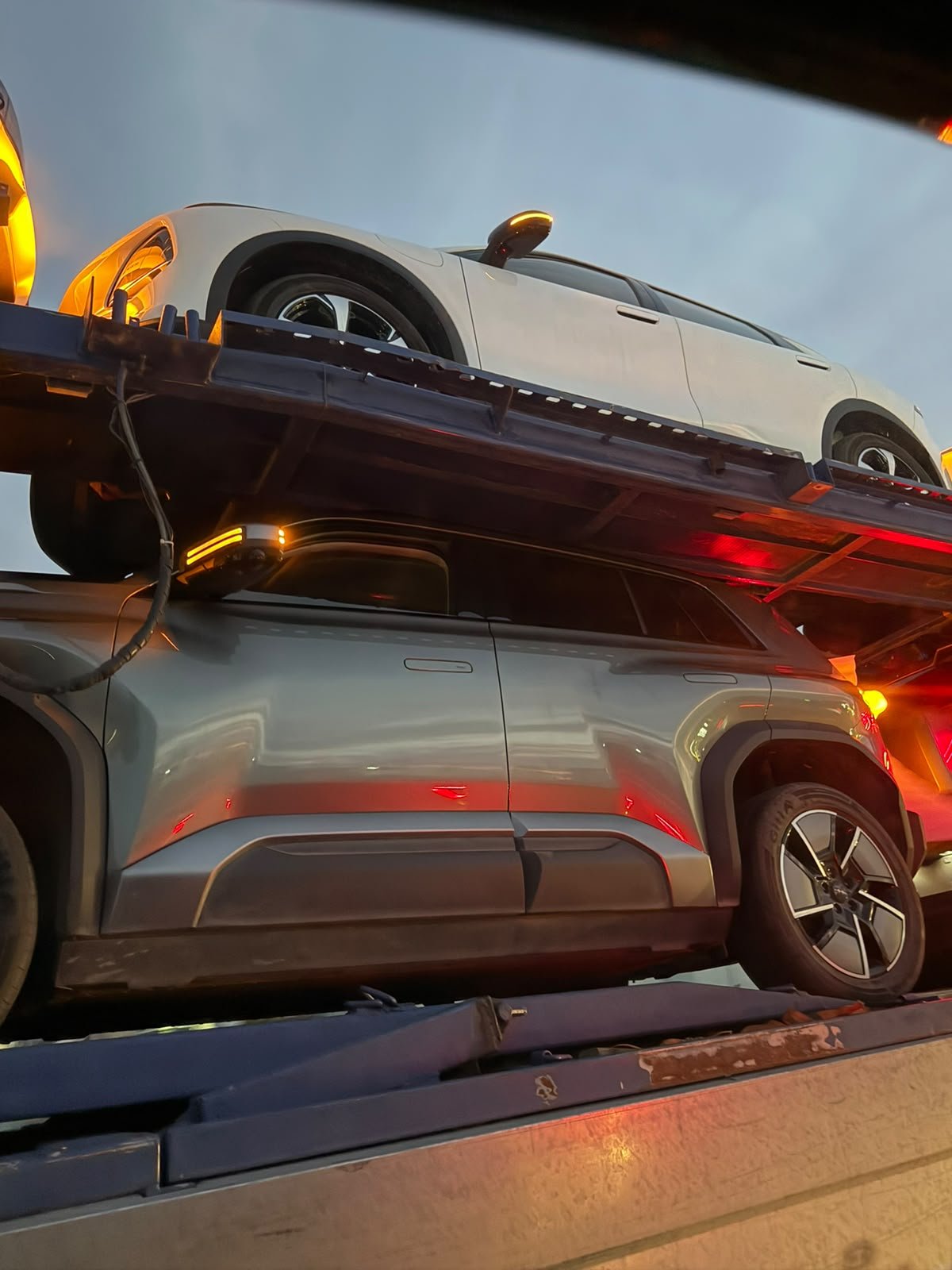
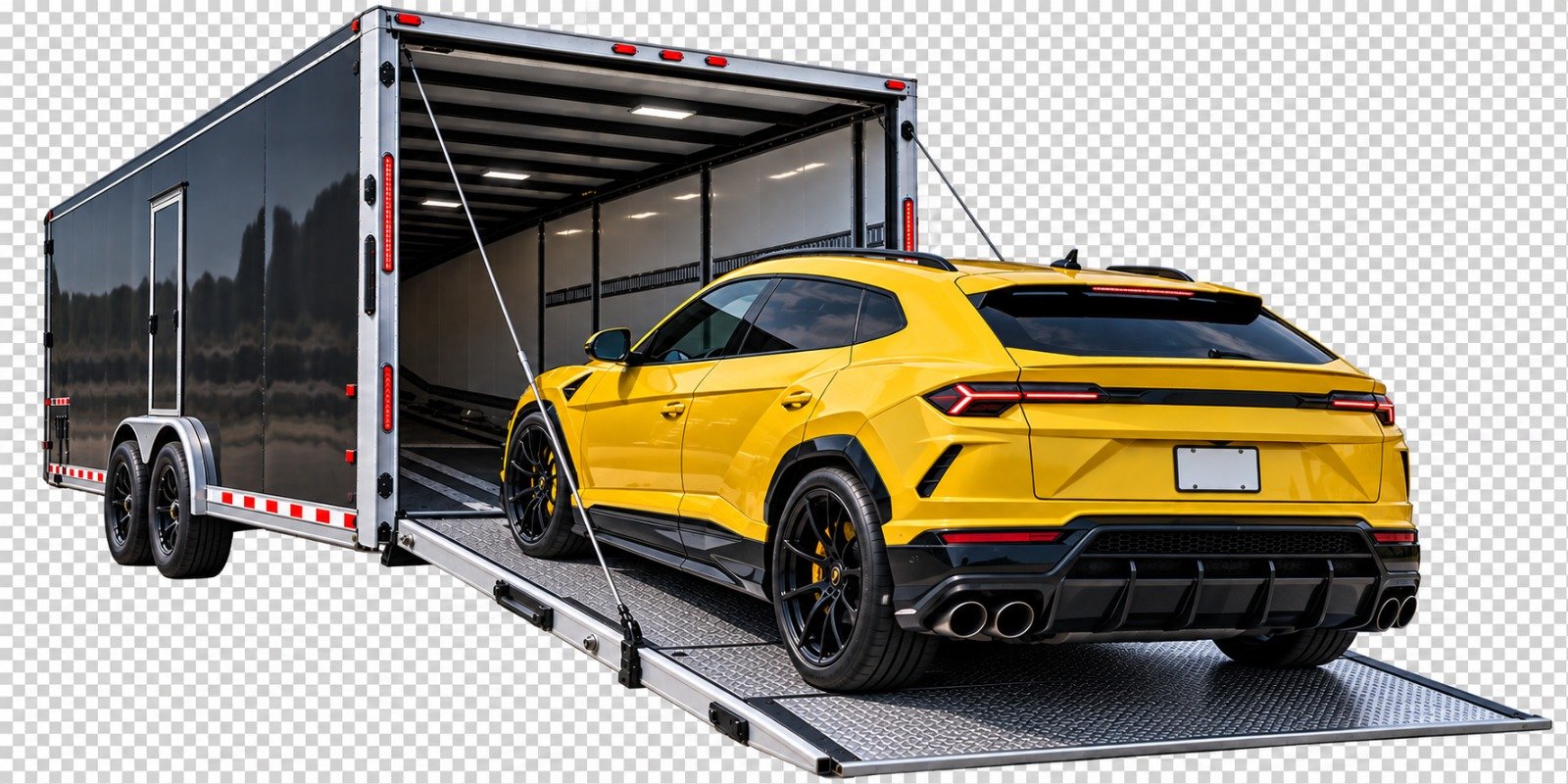
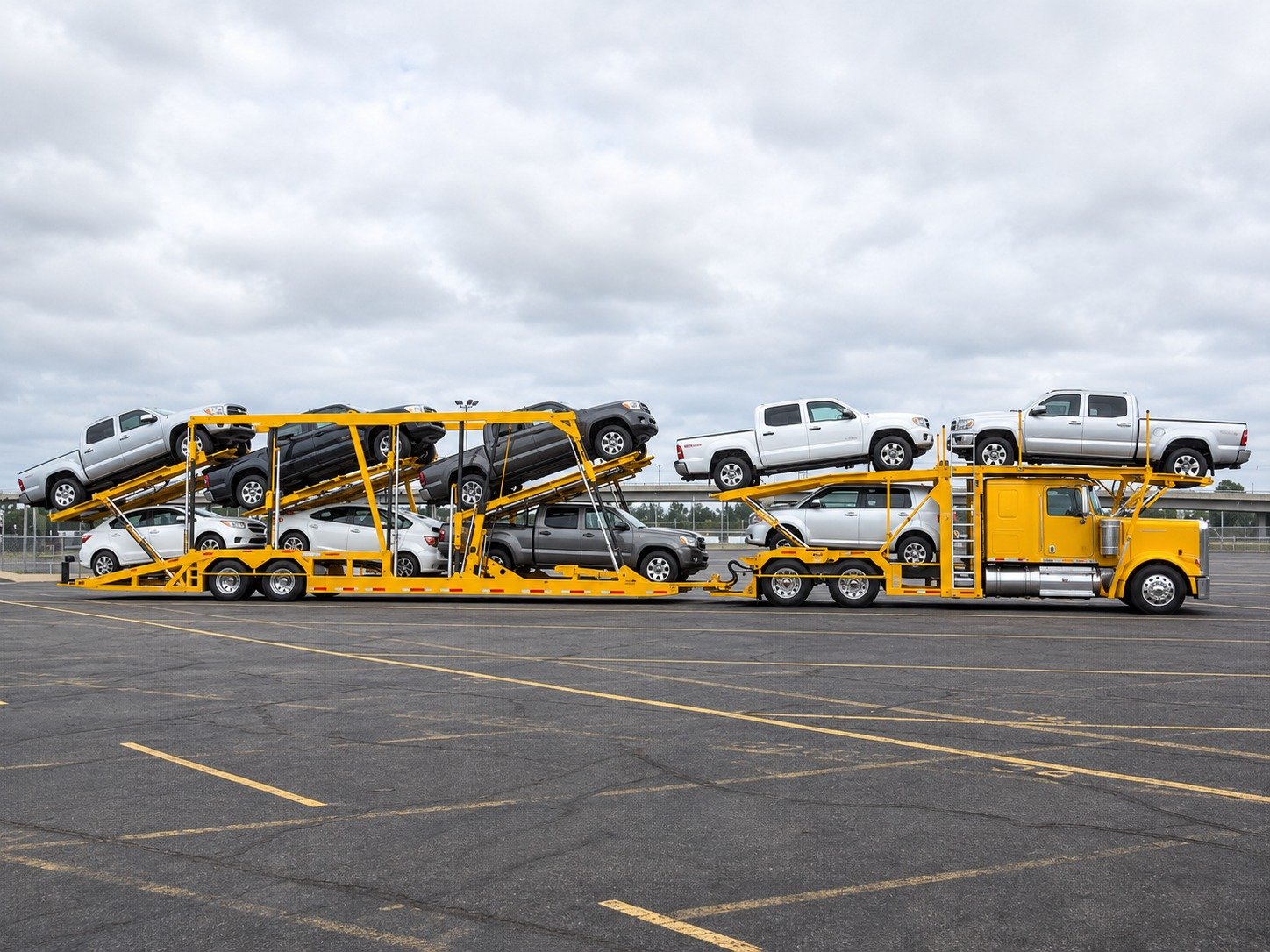
When arranging vehicle shipping across Canada, most drivers assume they have only two choices: dropping their car off at a freight yard or having a transport truck pull directly up to their front driveway. In practice, residential bylaws, narrow suburban streets, low-hanging trees, and remote rural roads often prevent multi-vehicle car carriers from reaching a home address safely. That is where partial door-to-door vehicle transportation bridges the gap.
Designed as a flexible middle ground between standard door-to-door car transport and depot-based shipping, this hybrid arrangement pairs direct home service on one end of the trip with a convenient, accessible meeting point—or regional terminal—on the other. Whether you are relocating between provinces, buying an out-of-province car, or coordinating dealership transfers, understanding how partial door-to-door car shipping works helps you avoid logistical delays and plan a smoother handover.

What Is Partial Door-to-Door Vehicle Transportation?
Partial door-to-door vehicle transportation—also referred to as partial door-to-door car shipping or hybrid auto transport—is a delivery model in which one leg of the journey takes place directly at a residential or business address, while the other leg occurs at a nearby accessible commercial lot or an established auto transport terminal.
In standard vehicle transportation services, full door-to-door delivery means the transport driver loads the vehicle as close as legally and safely possible to your origin address and unloads it directly at your destination address. By contrast, terminal-to-terminal shipping requires you to drop off and pick up your vehicle at designated regional storage yards at both ends of the route.
Partial door-to-door auto transport combines elements of both models into two common configurations:
- Door-to-Terminal (or Door-to-Designated Point): The carrier picks up your vehicle directly from your home, dealership, or office, and you retrieve it at a designated commercial loading area or regional transport terminal near your destination.
- Terminal-to-Door (or Designated Point-to-Door): You drop your vehicle off at an approved auto transport terminal or accessible highway meeting spot, and the carrier delivers it straight to your destination residence or workplace.
At Optixtrace Car Shipping, coordinators evaluate both the pickup postal code and delivery postal code before dispatch so customers know exactly where the handover will take place well before the truck arrives.
How Does Partial Door-to-Door Car Shipping Work?
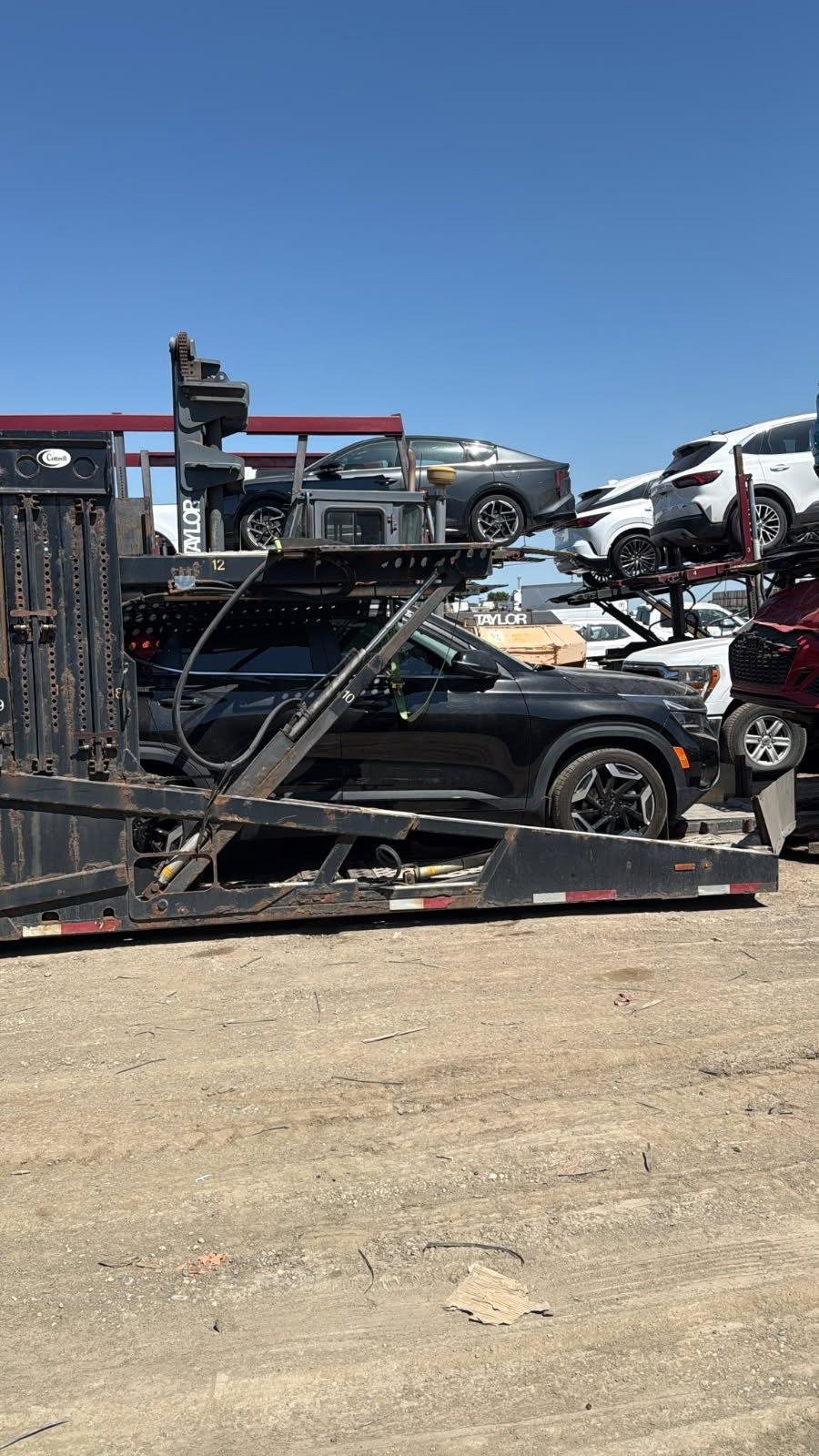
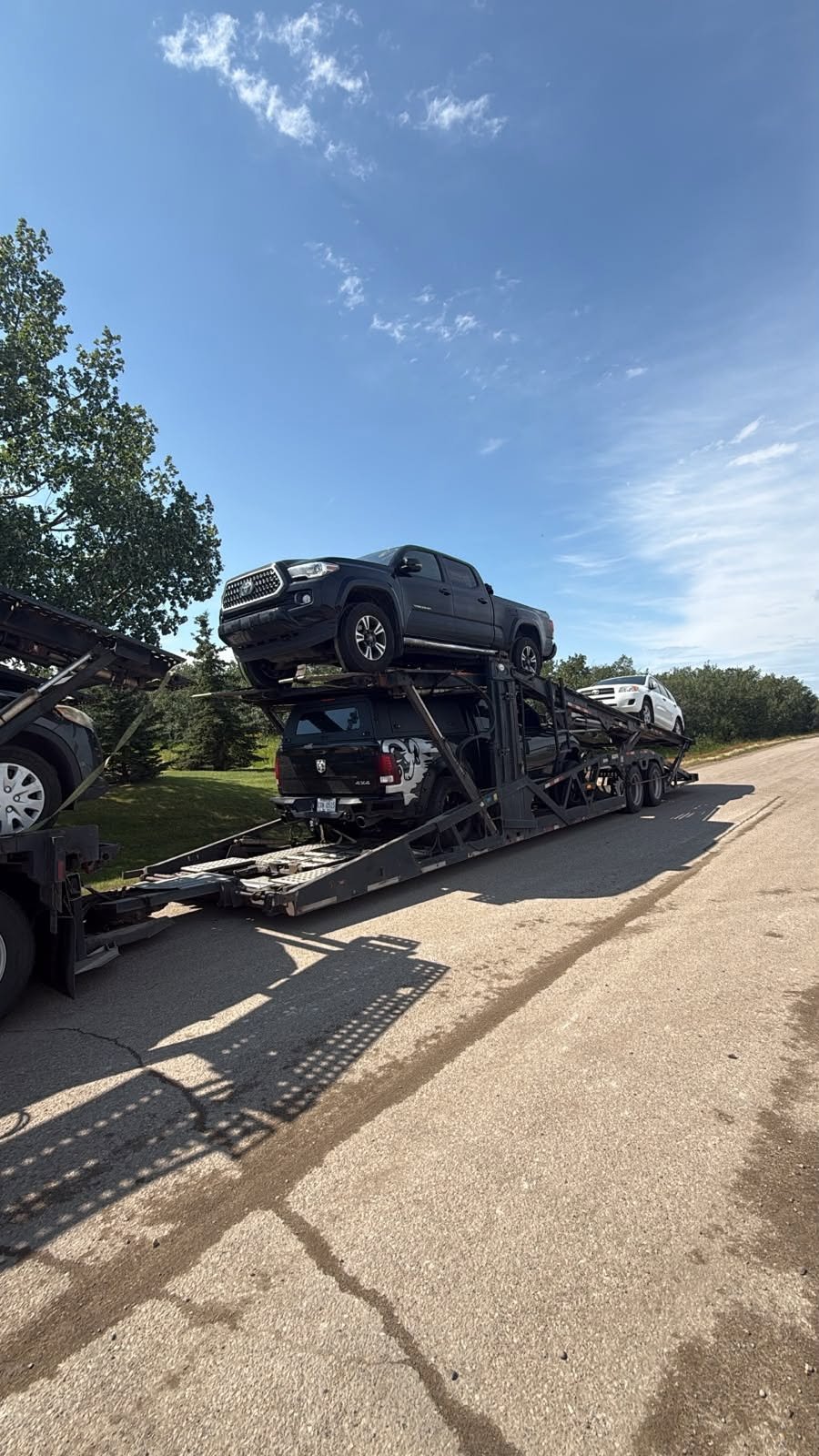
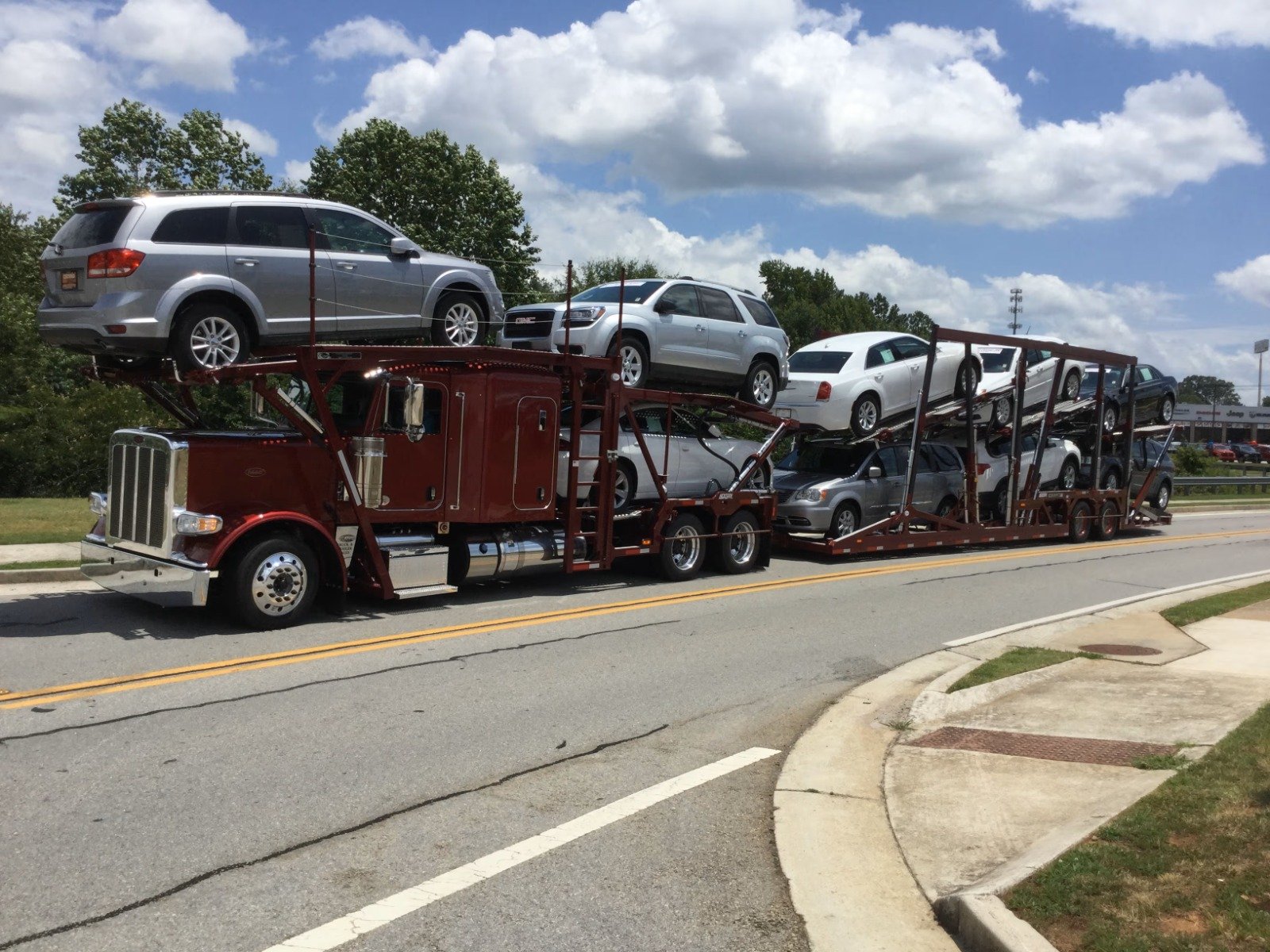
Coordinating car shipping pickup and delivery across Canada's vast road network requires careful route planning. Commercial car carriers can measure up to 23 metres (75 feet) in length and weigh tens of thousands of kilograms when fully loaded. Because these rigs cannot manoeuvre like a standard passenger pickup truck, partial door-to-door logistics follow a structured, step-by-step workflow:
- Route and Address Assessment: When you request a transport arrangement, dispatchers review satellite imagery, municipal truck-route maps, and local road restrictions for both your origin and destination addresses.
- Selecting Designated Pickup or Delivery Locations: If one address sits in a dense downtown core, a cul-de-sac, or a rural zone far off the primary highway corridor, your coordinator works with you to select an accessible alternative—such as a wide retail plaza parking lot, a truck stop near a major highway exit, or a regional terminal.
- Carrier Scheduling and Window Confirmation: Once the pickup and drop-off coordinates are confirmed, your vehicle is assigned to an appropriate carrier—whether on an open transport partial door service or an enclosed transport partial door arrangement—and you receive estimated arrival windows.
- Condition Inspection and Bill of Lading: At the vehicle pickup location, the driver and customer conduct a thorough walk-around inspection, noting existing cosmetic marks on the Bill of Lading (BOL) before loading the vehicle onto the trailer ramps.
- Transit and Final Handover: During transit, the carrier follows provincial commercial highway regulations. Upon reaching the destination—whether your front street or the pre-arranged meeting hub—you inspect the vehicle again, sign the final BOL, and receive your keys.

Choose a Meeting Spot Near a Major Highway Interchange: If your residential street cannot accommodate a full-size car carrier, suggest a large grocery store, home improvement centre, or commuter park-and-ride lot within 5 to 10 minutes of a primary highway (such as Highway 401, the Trans-Canada Highway, or QEII). Easy highway access often speeds up carrier scheduling.
What Happens When a Carrier Cannot Reach My Address?
One of the most frequent questions customers ask is: "Can a car shipping company deliver directly to my home?" In most suburban neighbourhoods with wide, straight streets, the answer is yes. However, several real-world factors across Canadian municipalities make direct curb-side loading unsafe or unlawful:
Municipal Heavy-Truck Bylaws
Many Canadian cities—including neighbourhoods in Toronto, Montreal, Vancouver, and Calgary—enforce strict no-truck zones on residential streets, limiting commercial vehicles over a certain gross weight to designated arterial corridors.
Physical Street Geometry
Cul-de-sacs, tight roundabouts, steep gravel driveways, parked cars lining both sides of the road, and sharp 90-degree corners make it impossible for a 20-plus-metre tractor-trailer to turn around safely.
Overhead Clearance Hazards
An upper-deck car hauler stands roughly 4.15 metres (13.6 feet) tall. Mature street trees, low utility wires, and residential signage can damage both the carrier and the vehicles loaded on the top rack.
Remote or Off-Corridor Locations
When shipping to or from smaller communities far off main interprovincial routes, routing a multi-car hauler down secondary roads can add hours of detour time. Meeting at a regional hub keeps transit efficient.
Under national safety standards overseen by Transport Canada and provincial transportation ministries, commercial drivers are legally responsible for operating within weight, dimension, and route restrictions. Rather than risking property damage or traffic citations, professional dispatchers use partial door-to-door logistics to arrange a safe, well-lit commercial loading area just minutes away from the restricted street.
Full Door-to-Door vs. Partial Door-to-Door vs. Terminal Shipping
Choosing between full door-to-door, partial door-to-door, and terminal-to-terminal shipping depends on your street accessibility, schedule flexibility, and budget. While open car transport is the most widely selected trailer type for standard daily drivers, any trailer configuration—including enclosed auto transport for luxury or classic vehicles and rail vehicle transport for long-haul east-west corridors—relies on clear pickup and drop-off protocols.
| Feature | Full Door-to-Door | Partial Door-to-Door | Terminal-to-Terminal |
|---|---|---|---|
| Pickup Location | Directly at origin address (where accessible) | Home/business address OR designated hub/terminal | Approved regional auto transport terminal |
| Delivery Location | Directly at destination address (where accessible) | Designated hub/terminal OR home/business address | Approved regional auto transport terminal |
| Street Accessibility Needed | Wide, truck-accessible roads at both ends | Truck-accessible road at one end only | None required at personal residences |
| Schedule Flexibility | Requires presence during carrier arrival windows | High flexibility on the terminal/hub leg | Drop off and collect during facility hours |
| Relative Cost Efficiency | Standard full-service rate | Often more economical than full door-to-door | Typically lowest base rate (storage fees may apply) |
| Best Suited For | Suburban homes with wide avenues & dealerships | Urban condos, rural properties & staggered moves | Flexible travellers near major metro hubs |
Is partial door-to-door car shipping cheaper than full door-to-door service? In many scenarios, yes. Because the carrier avoids time-consuming detours into congested city centres or remote secondary highways on one leg of the trip, fuel and routing overhead are reduced. Furthermore, you avoid paying terminal handling or storage fees on the end where direct home delivery is used. To compare exact options for your specific postal codes, you can request a tailored estimate through Optixtrace's online quote request page.
Who Benefits Most from Partial Door-to-Door Auto Transport in Canada?
Because Canadian geography spans dense urban cores, coastal ferry communities, prairie towns, and northern resource hubs, partial door-to-door vehicle shipping solves practical challenges for several distinct groups:
1. Individuals Relocating Between Canadian Provinces
When moving from a downtown condo in Toronto or Vancouver to a suburban home in Calgary or Halifax, your moving timeline rarely aligns down to the exact hour. With partial door-to-door transport, you can drop your car at an accessible staging location before your flight, and have the carrier deliver it straight to your new driveway once you arrive—or vice versa. Explore popular interprovincial corridors on Optixtrace's Canadian vehicle shipping routes directory.
2. Out-of-Province Private Buyers and Online Car Shoppers
Purchasing a used or specialty vehicle from a private seller or dealership in another province is increasingly common across Canada. If the seller lives on a narrow residential street or a rural acreage, arranging pickup from a nearby commercial plaza ensures the driver can load the vehicle safely while still delivering it directly to your home—or to your local mechanic for an out-of-province inspection. Buyers importing or transferring vehicles across provincial lines can also review registration rules through the Canadian Council of Motor Transport Administrators (CCMTA).
3. Car Dealerships, Fleet Managers, and Automotive Businesses
Dealership groups and commercial fleets frequently transfer inventory between retail lots, auction facilities, and corporate offices. Partial door-to-door arrangements allow a carrier to load multiple units directly from a dealership's commercial lot and drop off individual vehicles at designated regional hubs or business locations without dispatching separate single-car tow trucks.
4. Seasonal Travellers and Snowbirds
Canadians heading south or relocating seasonally often live in gated communities, townhouse complexes, or lakefront properties where commercial semi-trailers are prohibited. Meeting a carrier at a nearby highway commercial centre keeps the vehicle close to home while respecting community access rules.
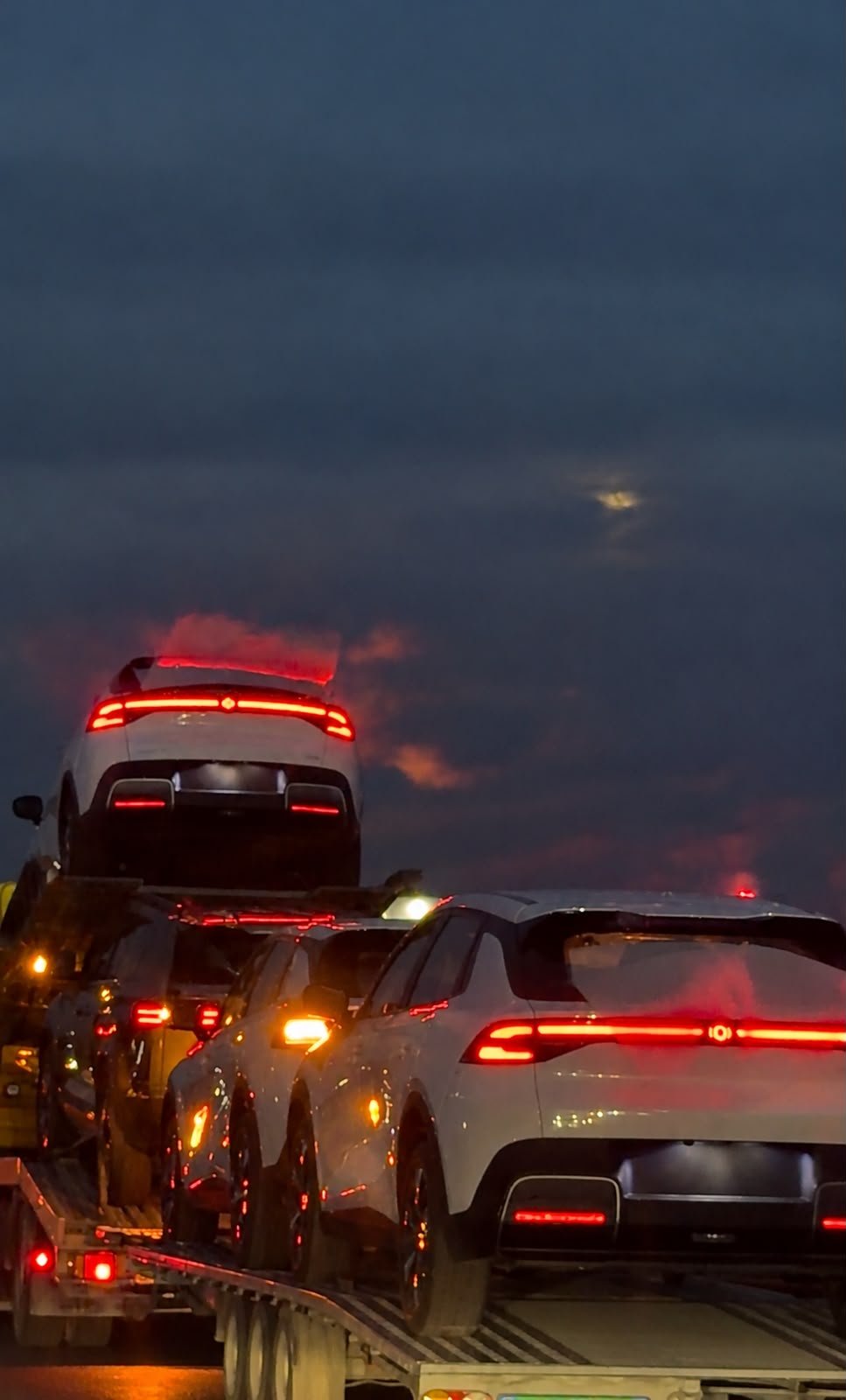
How to Prepare Your Vehicle for a Partial Door-to-Door Handover
Whether your handover takes place outside your residence, at a commercial parking lot, or at an Optixtrace service location, proper preparation protects your vehicle and keeps loading on schedule:
- Wash the Exterior Before Inspection: Road grime and winter salt can hide minor stone chips or door dings. A clean exterior ensures an accurate pre-transport condition report on the Bill of Lading.
- Photograph All Angles: Take clear, timestamped photos of all four sides, the roof, wheels, and odometer reading at the pickup point before the vehicle is driven onto the trailer.
- Keep Fuel Around One-Quarter Tank: Leaving roughly a quarter tank of fuel provides enough range for loading, unloading, and short local driving without adding unnecessary weight to the transport rig.
- Remove Loose Personal Belongings: Transport regulations and carrier cargo policies restrict loose items inside the cabin. Remove electronics, garage door openers, toll transponders, and unsecured cargo.
- Verify Mechanical Operability and Keys: Ensure the battery is charged, tires are properly inflated, and no active fluid leaks exist. Provide a complete set of working keys to the driver or terminal attendant.
- Check Seasonal Highway Conditions: During Canadian winter months, weather across mountain passes and prairie highways can affect arrival windows. Monitoring provincial road reports such as DriveBC or Ontario 511 helps you stay informed alongside your coordinator's updates.

Frequently Asked Questions About Partial Door-to-Door Shipping
Depending on your chosen arrangement, you will either hand over your vehicle directly at your home or workplace, or meet the carrier at a pre-approved, truck-accessible location. Common meeting spots include wide retail plaza parking lots near major highway exits, commercial truck stops, or designated regional auto transport terminals.
Full door-to-door shipping aims to load and unload your vehicle directly at your exact origin and destination addresses. Partial door-to-door shipping uses direct address service on one end of the trip and a designated commercial meeting point or terminal on the other end—making it ideal when one address has narrow streets, municipal truck bans, or tight scheduling needs.
In many cases, partial door-to-door auto transport can be more cost-effective than full door-to-door service because the carrier saves routing time and fuel by avoiding congested residential streets or remote off-corridor detours on one leg of the journey. Final pricing depends on route distance, vehicle size, and trailer type.
Yes. If you cannot attend the handover in person, you can designate a trusted friend, family member, dealership representative, or colleague over 18 years of age. Your representative simply needs the vehicle keys, identification, and authority to complete the walk-around inspection and sign the Bill of Lading.
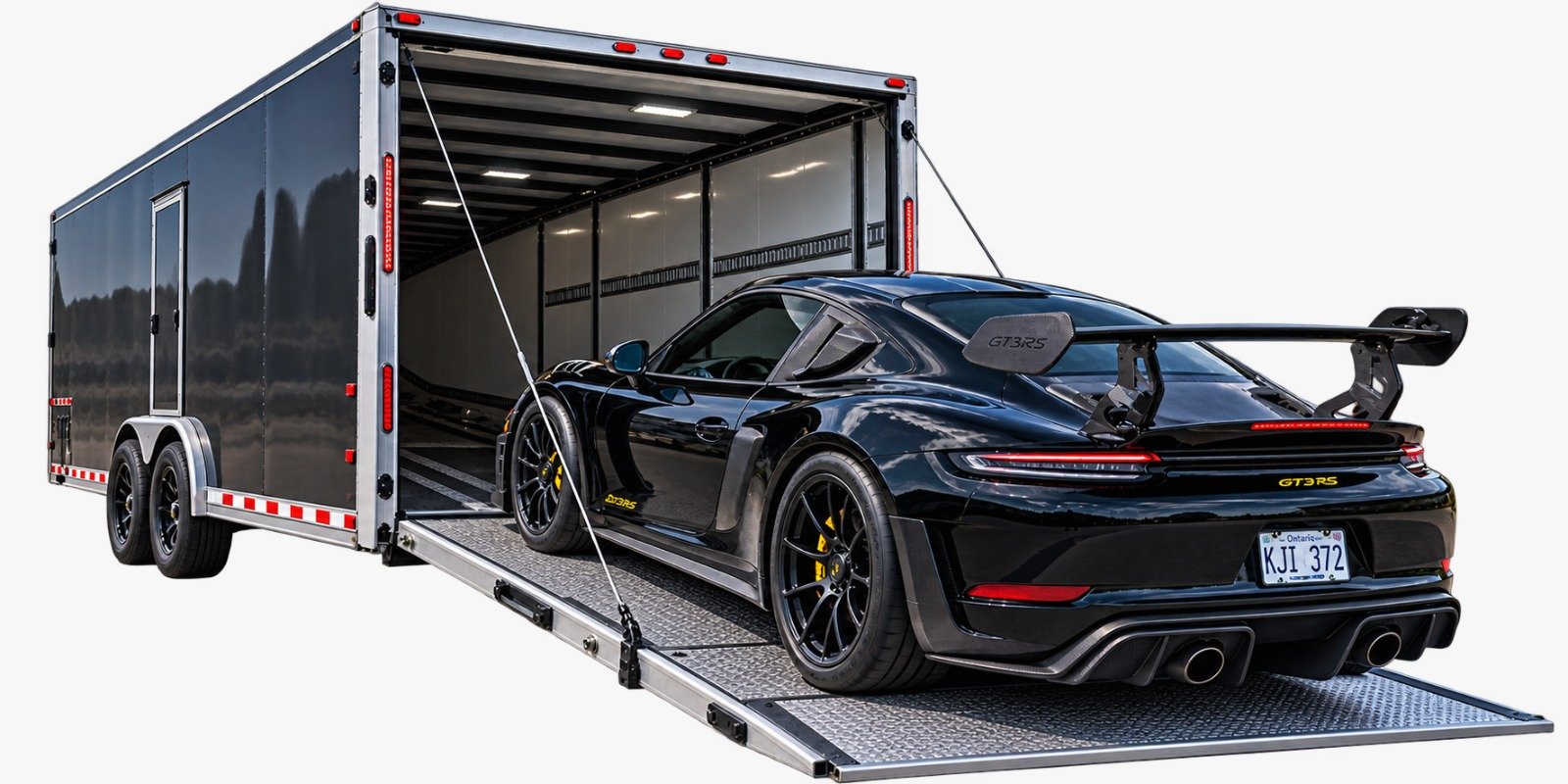
Yes. Partial door-to-door logistics are available for both open car carriers and enclosed trailers. Owners of luxury, collector, or low-clearance vehicles frequently select wide commercial lots for loading so hydraulic lift-gates have ample flat space to operate safely.
Making the Right Choice for Your Canadian Vehicle Shipment
Partial door-to-door vehicle transportation offers a practical, adaptable solution for drivers and businesses navigating Canada's diverse road network. By pairing direct address service where streets allow with safe, easily accessible commercial meeting points or regional hubs where large carriers face restrictions, you gain predictable scheduling, safer loading conditions, and competitive routing options without sacrificing convenience.
Looking to Ship Your Vehicle Across Canada?
Whether you need full door-to-door delivery, partial door-to-door flexibility, or terminal-to-terminal transport, Optixtrace coordinates reliable vehicle shipping across every Canadian province. Tell us your origin, destination, and vehicle details to receive a customized quote.
Get a Free Car Shipping Quote